


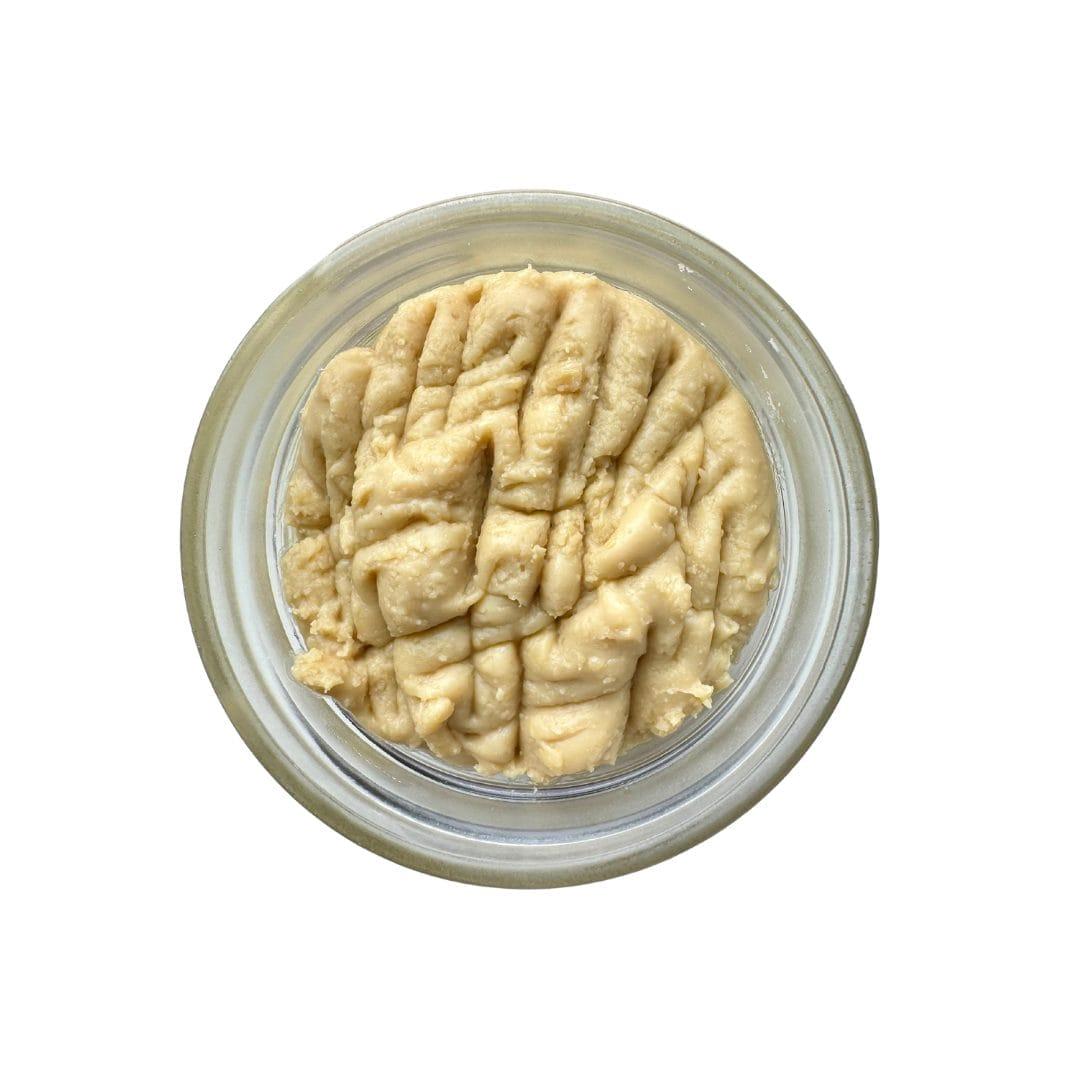
In the shifting mosaic of the cannabis market, THCA has emerged as a distinct tile-distinct in chemistry, consumer interest, and, increasingly, price. Whether you’re a buyer, seller, analyst, or curious observer, the per-gram cost of THCA is more than a number; it’s a snapshot of supply chains, regulation, and consumer demand converging in real time.
This article peels back the layers behind THCA price-per-gram figures: tracking recent sales data, comparing regional variations, and unpacking the economic and legal forces that push prices up or down. Along the way we’ll examine how product type, potency, sourcing methods, and market maturity shape what consumers actually pay at checkout.
Rather than promise definitive answers, this overview aims to clarify the landscape-mapping trends, highlighting notable shifts, and equipping readers with the context needed to interpret price movements. Whether you’re assessing market opportunities or simply trying to make sense of the latest numbers, the following analysis will provide a grounded, data-driven look at THCA’s place in today’s marketplace.
Tactical Pricing and Inventory Recommendations for Dispensaries and Wholesalers
Understand the flow between market signal and shelf tag: when THCA spot quotes dip, protect margins by enforcing a clear floor price that covers variable costs and taxes; when demand spikes, lean into a temporary ceiling price to capture upside without choking volume. Use real-time POS data and wholesale bid sheets to create simple rules – for exmaple, a 48‑hour uplift in unit sales triggers a 5-10% price increase for that SKU. This kind of rule-based pricing reduces guesswork and keeps your target margin visible to buyers and managers alike.
Inventory discipline is as tactical as pricing.Optimize SKU depth by favoring high-turning THCA strains and concentrates; limit low-velocity varieties to seasonal runs.track batch ages and set reorder points tied to supplier lead times, not just past sales – that prevents both shelf fatigue and last-minute rush buys. Integrate a small buffer for test-market SKUs so you can scale winners quickly without overcommitting capital.
- Tiered discounts: create clear banded pricing for wholesale volume (e.g., 1-50g, 51-200g, 200g+) to nudge bulk orders.
- Promotional velocity windows: 72-hour flash deals to clear slow-moving THCA lots while protecting long-term positioning.
- Cross-sell bundles: pair high-margin accessories or lower-margin sample grams to increase basket size.
- Automated reorder rules: set reorder alerts at 1.2× average weekly demand to account for supplier variability.
Use simple dashboards to turn these tactics into action. The table below is a compact operational template you can adapt for THCA SKUs - combine it with weekly sales cadence and supplier lead-time columns for a full reorder workflow.
| Quality Tier | Price / gram | Target Margin | Reorder Point (g) |
|---|---|---|---|
| Premium | $14 | 40% | 200 |
| Mid | $10 | 30% | 500 |
| Value | $6 | 20% | 800 |
In conclusion
As the numbers settle and charts flatten into a single line on the page, the story of THCA price per gram remains a fluid one - shaped by regulation, consumer preference, and the steady churn of supply and demand. This overview and the sales data beneath it give you the coordinates for where the market has been and hints of where it might head,but they are not a map to certainty. Use these insights to ask better questions: about quality, provenance, and the legal landscape that frames every transaction. In an industry defined by change,staying curious and data-literate is the clearest route to clarity.
