


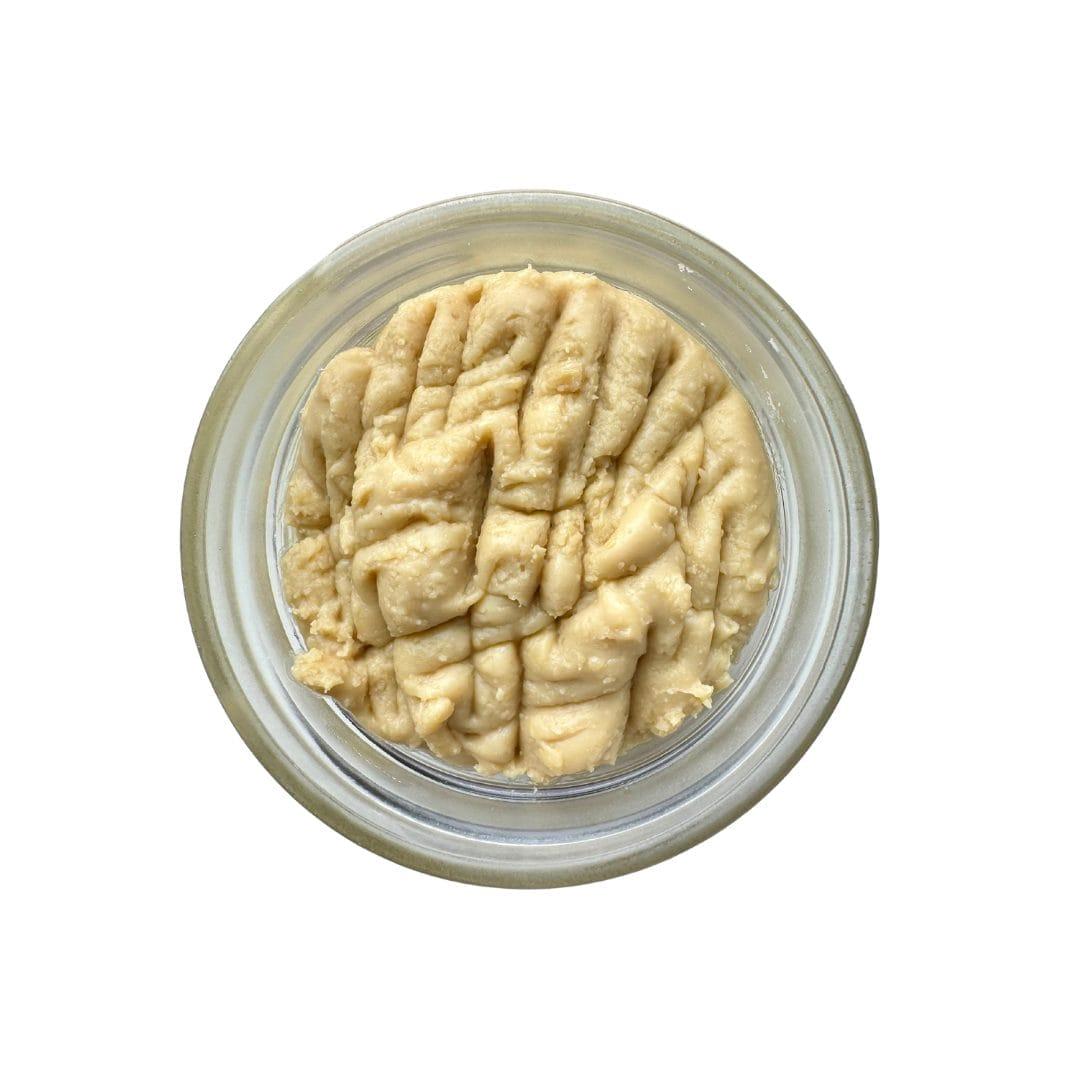
Prices move like a hidden heartbeat-subtle, rhythmic shifts that tell the story of supply, demand and regulation across a vast market. In “THCa Price Pulse: A National Average Snapshot,” we take that pulse and lay it out as a clear signal: a concise view of what THCa is selling for, where averages are rising or easing, and what those movements might hint at for producers, retailers and consumers.
This snapshot doesn’t chase sensational highs or lows; it aggregates data into a single, navigable picture. By comparing recent transactions, regional trends and market drivers, the article aims to translate scattered pricing signals into practical insight-so you can understand not just the number itself, but the market currents that produced it.Read on for the numbers, the context and the patterns that give this national average its shape-then use that baseline to assess local variations, emerging pressures and the broader trajectory of the THCa marketplace.
National THCa Price Pulse and Emerging Market Patterns
A coast-to-coast read of THCa markets today finds prices clustering but not converging: pockets of premium product sit beside discounting driven by surplus harvests. The rough national mean floats around $9-$11 per gram, with sharp local deviations where consumer demand or regulatory quirks create spikes. Retail availability, extraction capacity, and seasonal runs still dictate the short-term rhythm.
Several patterns are emerging that buyers and sellers should watch closely:
- Coastal premium: Urban centers with strong dispensary density and boutique brands maintain higher per-gram rates.
- Midwest parity: Stabilized wholesale deals and expanding extraction capacity are flattening price swings.
- Southern discount pockets: States with recent surges in cultivation capacity are seeing below-average pricing.
- Specialty uplift: Rare high-potency THCa and small-batch craft concentrates command a demonstrable premium.
Fast regional snapshot:
| Region | Avg $/g | MoM Drift |
|---|---|---|
| West Coast | $12.00 | +2% |
| Midwest | $9.00 | 0% |
| South | $7.50 | -3% |
| Northeast | $10.25 | +1% |
Taken together, these signals suggest a market that is maturing but still sensitive to local supply shocks and brand-driven demand. Traders should prioritize inventory adaptability and watch for short windows where extraction throughput or festival-driven retail demand can flip a local market from discount to premium overnight.
In Summary
As the dust settles on this national snapshot, the THCa Price pulse leaves a clear imprint: prices are not static but part of a living market, shaped by regional demand, production shifts, and regulatory currents. What looks like a single number at a glance is really a mosaic of local realities – urban hubs, rural growers, and policy changes all beat at different rhythms.
Keep this snapshot in your toolkit rather than treating it as gospel.Use it to spot trends, ask sharper questions, and compare local listings; remember that short-term spikes or dips can mask longer-term movement. For the most reliable decisions, pair national averages with local data and stay attentive to the supply, legal, and economic signals that will set tomorrowS pulse.We’ll keep tracking the numbers so you can watch the market’s next heartbeat – clear, measured updates that let you read the currents without getting swept away.
