


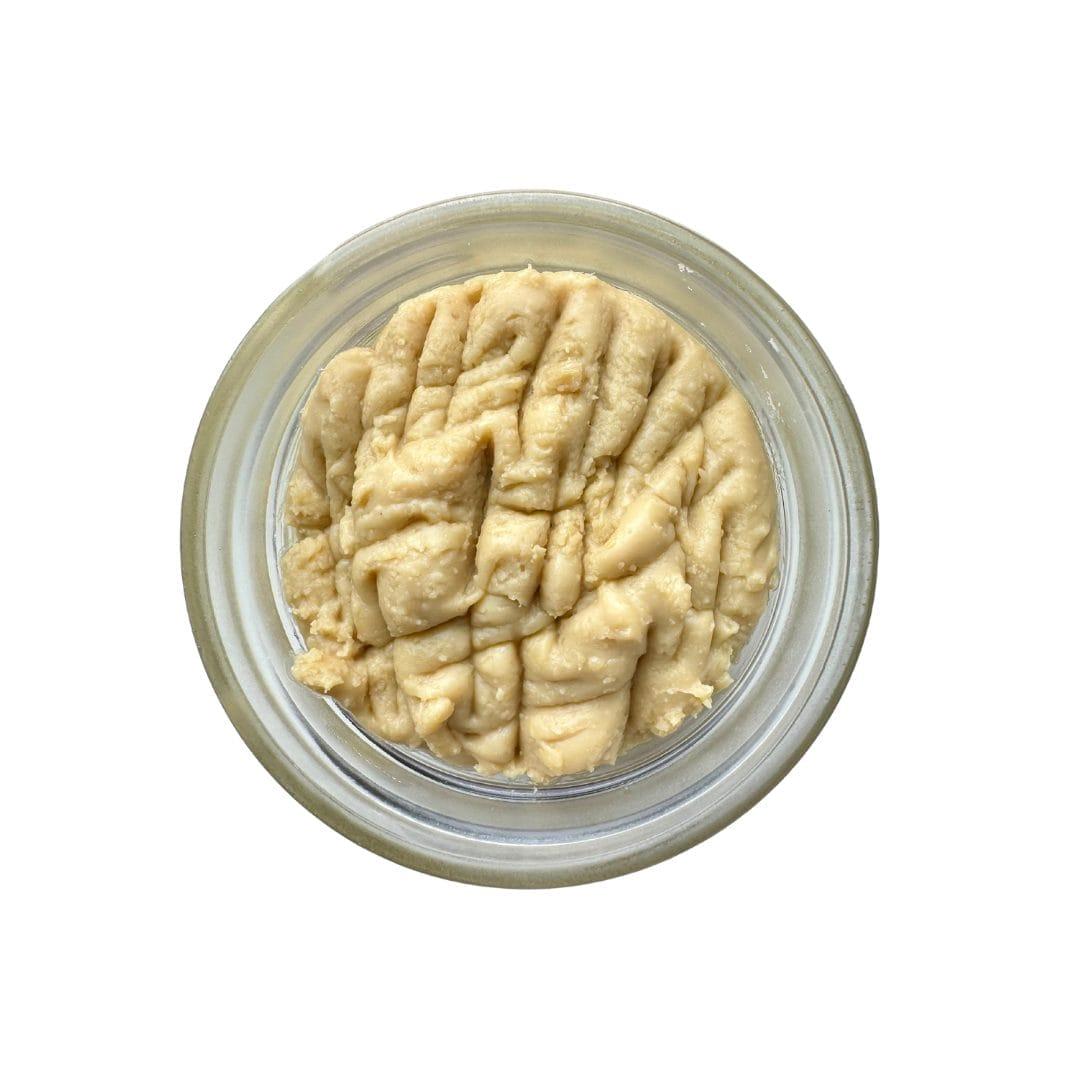
The market for THCA has the quiet energy of a tide-ever-changing, shaped by legal currents, consumer tastes, and the mechanics of extraction and distribution. From raw flower and live resin to isolates, vape cartridges, and edibles, THCA appears across a wide spectrum of product types, each carrying it’s own cost structure and value proposition. Understanding those differences is essential for anyone trying to navigate pricing signals: consumers seeking the best value, retailers setting margins, and investors sizing opportunities.
This article maps the landscape of THCA pricing. We examine product categories and their typical price points, unpack the key drivers behind those prices (potency and purity, extraction method, testing and compliance, packaging and branding, supply and seasonality), and highlight recent regional and market trends. Along the way you’ll find practical metrics for comparing products-price per milligram, price per percentage of THCA, and wholesale vs. retail spreads-so you can make informed comparisons across a rapidly evolving market.
Quality Indicators and Lab Metrics That Justify Price Premiums
True quality for THCA products is measured as much in the lab as it is indeed in the field. A clear, third-party Certificate of Analysis - ideally from an ISO/IEC 17025-accredited lab – signals that a producer pays for rigorous methodology and traceable results.Tests that use HPLC for cannabinoid profiling and GC-MS / LC-MS/MS for terpenes, solvents and contaminants cost more to run but deliver the granular data buyers rely on. When a COA lists low limits of detection (LOD) and quantification (LOQ), it reduces uncertainty and makes a premium price easier to justify.
Buyers are willing to pay up for demonstrable safety and consistent sensory performance. The most valuable metrics are not just high THCA percentages but also low residual solvents (ppm), non-detectable pesticides and heavy metals (ppb), and a robust terpene fingerprint that aligns with the strain claim. Stability data – showing retained potency and aroma over weeks or months – and batch-to-batch consistency are equally notable because they mean the product will behave predictably for consumers and formulators alike.
- Potency & Purity: Verified THCA % and low delta‑9 THC after storage or handling.
- Contaminant-Free: Pesticides, heavy metals, and mycotoxins below regulatory or detection limits.
- Terpene Fidelity: Full GC-MS profile that matches strain expectations and supports aroma/flavor premiums.
- Residual Solvents: Confirmed ppm levels well under safety thresholds, especially for extraction-based products.
- Accreditation & COA Transparency: ISO labs, batch QR codes, and clear expiration/stability claims.
| Metric | Gold-standard test | Why it Commands a Premium |
|---|---|---|
| THCA Potency | HPLC with LOQ ≤ 0.1% | Predictable dose and potency claims |
| Residual Solvents | GC-MS, reported in ppm | Safer extracts, compliance with pharmacopeia |
| Terpene Profile | GC-MS fingerprint | Flavor/aroma authenticity for premium branding |
| Heavy Metals | ICP-MS, ppb reporting | long-term health safety and regulatory assurance |
| Microbial/Mycotoxins | qPCR and ELISA/LC-MS | Critical for inhalables and edibles – reduces liability |
Ultimately, the markup for high-end THCA reflects a stack of verifiable advantages: laboratory-grade assurance, repeatable organoleptic character, regulatory cleanliness, and documented shelf stability. When those elements are present and clearly communicated on a COA or product page, buyers aren’t just getting a stronger number – they’re buying consistency, safety and trust, which is what sustains a true price premium in a maturing market.
Actionable Recommendations for Buyers and Sellers to Navigate THCA Price Volatility
Think of volatility as weather: buyers and sellers survive it not by guessing the forecast, but by packing the right gear. For buyers, that means blending short-term opportunistic buys with staggered, contracted orders to smooth costs and secure supply. Prioritize tested suppliers and transparent COAs so you can confidently pay a premium for consistent potency rather than chasing the cheapest batch each week.
- Staggered purchasing: split orders across weeks to average price spikes.
- Flexible contracts: include price bands and volume windows instead of fixed single prices.
- Quality-first sourcing: pay for lab-verified consistency to reduce downstream write-offs.
Sellers can turn volatility into margin by leaning on product differentiation and inventory grading. Create clear tiers-high-potency, mid-range, and value-and price them to reflect the cost of holding versus selling now. Use short forward contracts with buyers who except slight price variability, and reserve a portion of inventory for spot-market opportunities when prices spike.
- Tiered inventory: label lots by potency and intended channel to guide pricing decisions.
- Dynamic promotions: deploy time-limited bundles when prices slide to protect margin.
- Partial hedging: agree on min/max price collars with large buyers to cap downside.
| Tactic | Best for | Fast win |
|---|---|---|
| Staggered buys | Retail buyers | Immediate cost smoothing |
| Short forward contracts | Processors & distributors | Supply certainty |
| Tiered grading | Sellers with variable lots | Higher realized prices |
institutionalize triggers and dashboards: set clear price bands that prompt actions (buy,hold,liquidate),monitor regional market spreads,and automate alerts tied to lab results and compliance changes. Risk is never eliminated, but with disciplined rules, diversified channels, and transparent quality signals, both buyers and sellers can navigate THCA price swings with greater confidence-and occasionally profit from the turbulence rather than being swept away by it.
Future Outlook
As the market for THCA continues to unfold,pricing reflects a shifting mosaic of product types,regulatory currents and consumer preferences.flower, concentrates, vapes and edibles each carry their own cost logic-driven by cultivation and extraction costs, potency and purity testing, packaging and distribution-and those logics vary by region and by the regulatory environment that governs them. Wholesale and retail margins, seasonal supply cycles and the premium placed on lab-certified quality further layer complexity onto headline price tags.
For industry participants and curious consumers alike, the clearest signal is that price is not a single story but a chorus of factors: science (potency and extraction), policy (legal status and compliance), and market forces (supply, demand and branding). Watch for continued convergence in pricing as extraction technologies scale, for localized premiums tied to regulatory burdens or scarcity, and for new product formats to reframe value perceptions.
Ultimately, navigating THCA pricing requires context-knowing what product type you’re comparing, which costs lie behind the number, and how external forces might reshape the landscape. The numbers will keep changing; the prudent approach is to read them against the market’s broader trends rather than in isolation.
