



Imagine standing at the edge of a green, shifting landscape where science and tradition meet – that’s where THCA lives. Tetrahydrocannabinolic acid (THCA) is the raw, often-overlooked precursor to the more familiar THC, and it carries its own story: molecular curiosities, cultural whispers, and a growing place in conversations about cannabis. This quick-start guide is a calm compass for beginners who want to explore THCA with curiosity rather than hype.You won’t find dense jargon or dog-eared dogma hear.Instead, expect clear explanations about what THCA is, how it differs from other cannabinoids, and why people are paying attention. We’ll walk through how THCA shows up in products, how it’s commonly discussed, and the practical questions beginners ask moast – from reading labels to understanding basic safety and legal considerations.
This guide is neither cheerleader nor cautionary alarm. It’s a neutral, creative introduction intended to equip you with the essentials so you can make informed choices and ask better questions. Weather you’re a curious newcomer, a plant-curious reader, or someone sorting through conflicting data, these pages aim to illuminate THCA’s place in the wider cannabis landscape – one clear step at a time.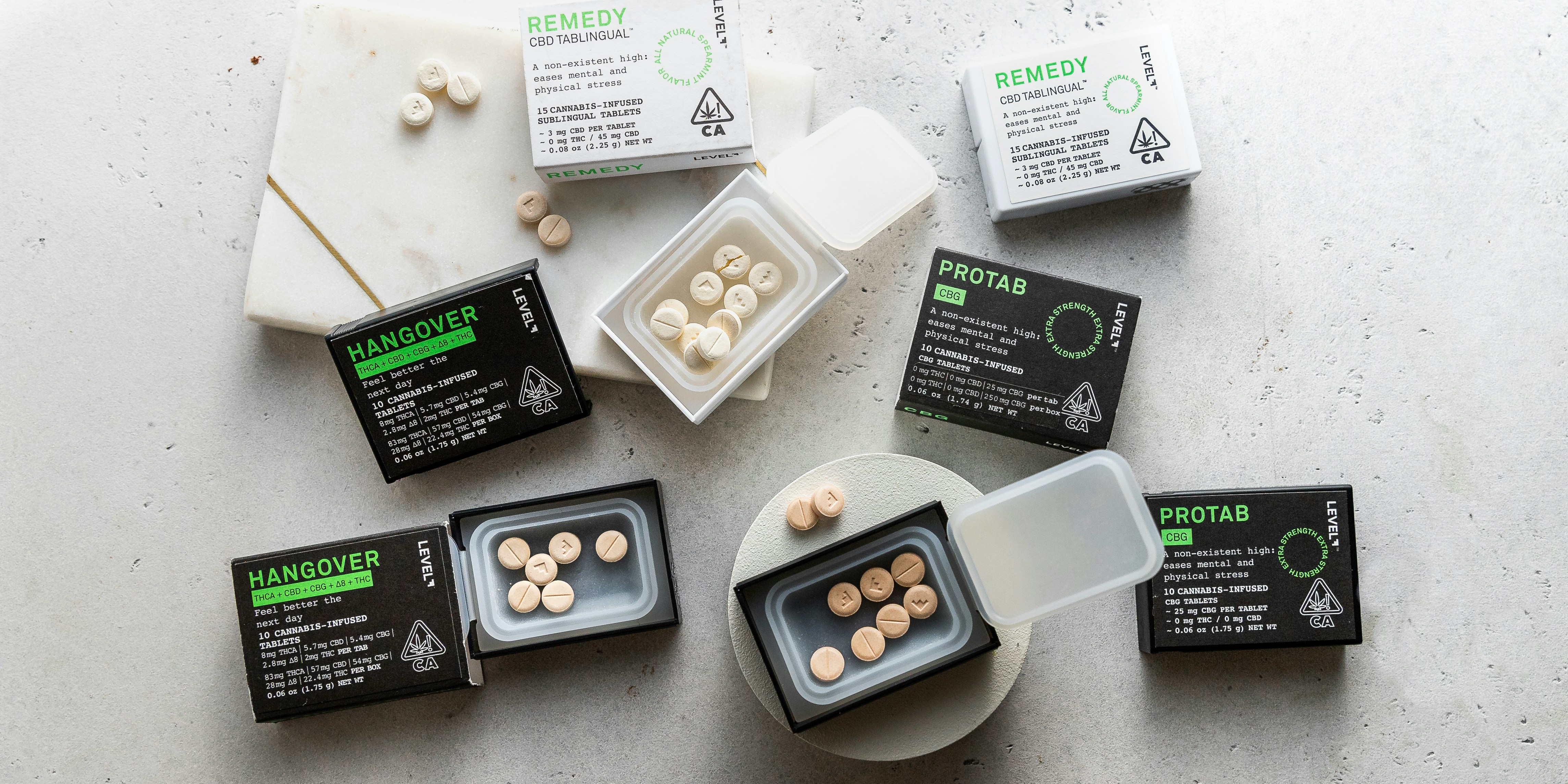
Understanding THCA What It Is How It Works and Why It Matters
Think of THCA as the plant’s quiet architect – abundant in fresh,living cannabis,chemically poised but not party-ready. In its native form it doesn’t produce the familiar high; instead it carries a different kind of value: raw-use potential, unique molecular interactions, and a distinct profile of effects that researchers and creatives are just begining to map. when you handle or sample a fresh bud, you’re meeting that unactivated blueprint rather than the fully formed compound most people know.
at a molecular level, this compound engages the body differently than its heated cousin. It has a subtle relationship with the endocannabinoid system, and may influence inflammation and cellular signaling without the classic psychoactive effects. The switch from inactive to active happens through a simple chemical flip – decarboxylation – which you trigger with heat, time, or light. Key triggers include:
- Gentle heat from smoking, vaporizing or baking
- Prolonged exposure to sunlight or warm storage
- Laboratory processes designed to convert or preserve specific cannabinoids
Here’s a compact snapshot to keep your bearings as you explore:
| Property | THCA | THC |
|---|---|---|
| Psychoactivity | Non-intoxicating | Intoxicating |
| common use | Raw tinctures, juicing, research | Edibles, smoking, therapeutics |
| Conversion | Needs decarboxylation | Active form |
Why should this matter to a beginner? Because knowing the difference lets you choose intent over accident: whether you want a raw, non-intoxicating wellness practice, or a heated, psychoactive experience.Practical tips: store flowers cool and dark to preserve acids, experiment with cold extractions for fresh profiles, and always check lab results if potency or legality is a concern. Be mindful of local laws and safety – curiosity is creative, but informed curiosity protects both you and your practice.
Consumption Methods and Onset Expectations Matching Delivery to Your Goals
Think of choosing a delivery method like picking a paintbrush for a canvas: each tool shapes the final picture. Heat transforms THCA into THC, so methods that involve combustion or vaping will produce a quicker, more pronounced psychoactive result. Cold or raw routes preserve THCA’s non-intoxicating qualities but tend to have subtler, slower effects.Understanding the difference between fast onset and long-lasting will help you match the experience to your creative, functional, or restorative goals.
Common approaches split into clear categories-each with predictable timing and feel:
- Inhalation (vape/smoke) – almost immediate onset, short-to-moderate duration; highest bioavailability if decarboxylated.
- Edibles – slow onset (30-120 minutes), long-lasting and often more intense because of liver metabolism.
- Sublingual tinctures – intermediate onset (10-45 minutes), cleaner control for dosing if product is decarboxylated.
- Topicals & raw consumption – minimal systemic effects; ideal for localized relief or non-intoxicating use.
| Method | Approx. Onset | Duration | Best for |
|---|---|---|---|
| Vape/Smoke | Immediate | 1-3 hours | Rapid relief, creative bursts |
| Edibles | 30-120 min | 6-12 hours | Long sessions, sleep aid |
| sublingual | 10-45 min | 2-6 hours | Controlled dosing, steady effects |
| topicals/Raw | 10-60 min | varies (localized) | Targeted relief, non-intoxicating use |
Match your delivery to intention: pick inhalation for quick creative sparks, edibles for long, immersive sessions, and sublinguals for measured daytime use. Always start low and go slow-especially if heating is involved and THCA converts to THC-keep a small journal of dose, onset, and effect, and adjust in tiny steps. Blending methods can also work: a low-dose edible plus a single inhalation can smooth onset and extend duration without overshooting your desired state.

Beginner Dosage Guidelines Safety signals and Simple Titration Strategies
Think of your first THCA experience like learning to ride a bicycle-steady hands, small pushes, and a safe place to stop. Start low, go slow is the simplest rule: pick a modest initial amount and give it time to reveal itself before you add more. Keep a small notebook or a notes app with the product name, dose, time and how you felt; patterns emerge fast and help build confidence without guesswork. Choose one variable at a time (dose, form, setting) so you can trace what changes outcomes.
Watch for clear safety signals and treat them with respect.Common signs that you’ve gone too far include:
- Dizziness or lightheadedness
- Anxiety or racing thoughts
- Nausea or queasiness
- Excessive sedation or disorientation
If any of these appear, pause further dosing, focus on hydration, move to a cozy environment, and practice steady breathing. Seek medical help if you experience severe chest pain, fainting, or prolonged confusion. Also pause use and consult a clinician if you take prescription medications, are pregnant, or have heart/liver conditions.
Simple titration keeps experimentation safe and pleasant. For inhaled forms, take a small inhalation, wait 10-30 minutes and reassess; for edibles or tinctures allow 2-3 hours before increasing-these waiting windows prevent stacking accidental effects. When increasing, use small increments (such as, around 10-25% of your prior dose), and only change one factor at a time. Keep your environment controlled the first few times: familiar people, low sensory overwhelm, and a calm plan for resting if you need it.
| Form | Typical onset | Conservative beginner range* |
|---|---|---|
| Vape or smoke | 5-30 minutes | ~0.5-3 mg THCA (small puffs) |
| Tincture (sublingual) | 15-60 minutes | ~1-5 mg |
| Edible | 60-180 minutes | ~1-5 mg |
*Ranges are conservative estimates for beginners and vary with product potency, body chemistry, and whether THCA converts to THC. They are general guidance-not medical advice.
Key takeaways
As you close this quick-start guide, remember that THCA is less a destination than a doorway – an introduction to a wide, evolving conversation about cannabinoids, creativity, and personal curiosity. This guide aimed to give you the map’s outline: what THCA is, where it sits in the cannabinoid landscape, and some imaginative, low-stakes ways to begin exploring its possibilities.
Stay curious, but stay careful. Laws, product quality, and individual health responses vary, so prioritize reputable sources, legal compliance, and-when relevant-advice from a healthcare professional. Keep notes on what you try and how it feels; thoughtful observation is as significant as experimentation.
If this primer sparked questions, follow them: read more, talk to informed people, and engage with communities that value safety and evidence. With an open mind and sensible precautions,your early steps into THCA can be both creative and responsible.
Here’s to informed exploration – may your journey be thoughtful, safe, and full of finding.

