


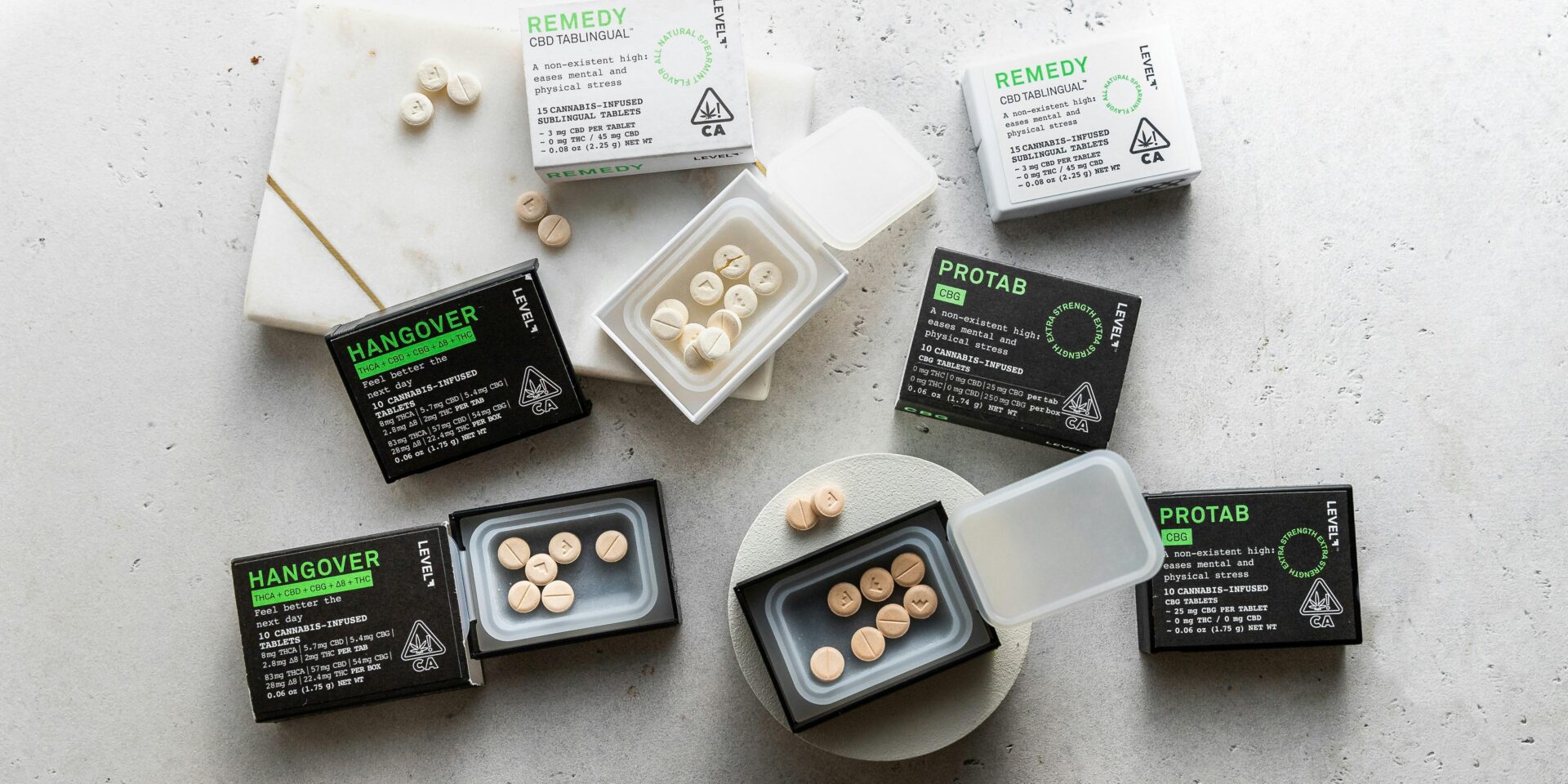
You’re standing at the threshold of a new kind of curiosity: THCA – a compound that lives in the green, raw heart of the cannabis plant and carries a different promise than the name you probably already know. Not quite the psychoactive THC, THCA arrives with its own vocabulary, rituals, and considerations. For a first-time explorer, that can feel both intriguing and a little opaque.
This swift-start guide is your map for a gentle first step. We’ll unpack what THCA is and how it differs from its more famous cousin, outline common product forms and how to read labels, and highlight the practical, legal and safety points every newcomer should know. No deep chemistry lessons, no jargon-heavy detours – just clear, approachable information to help you make informed choices and ask the right questions of sellers and healthcare professionals.
If you’ve ever wished for a plain-English introduction before diving deeper, this article is for you.Read on to get oriented, stay safe, and decide if THCA belongs in your personal toolkit.
Choosing Your First THCA Product and Practical Dosage Recommendations
Choosing a first product is as much about trust as it is indeed about preference. Look for vendors who publish a recent Certificate of Analysis (COA),list cannabinoid and terpene profiles,and are clear about cultivation and extraction methods. If you prefer a gentler, non-psychoactive experience, raw THCA flower or cold-pressed tinctures are worth exploring; if you want effects that mirror traditional THC, be aware that heating (vaping, dabbing, cooking) converts THCA into THC and changes the experience.
Think about how you want to take it-each format delivers differently. Common options include:
- Raw flower/tinctures – milder onset, often favored for day use.
- Vape/cartridges – rapid onset and stronger effects once decarboxylated.
- Edibles – long-lasting, slow onset; potency can be hard to dose precisely.
- Topicals – localized relief without systemic high (if THCA remains non-decarbed).
When it comes to dosage, the golden rule is: Start low, go slow. For most first-timers a conservative starting point is best. As a simple guide,consider the table below to match form to a beginner-amiable starting amount and typical onset/duration. Remember that heat converts THCA to THC, so vaped or heated products can produce stronger psychoactive effects than raw formulations.
| form | Starter dose | Onset / Duration |
|---|---|---|
| Raw tincture (sublingual) | 2.5-5 mg THCA | 15-45 min / 2-6 hrs |
| Vape / heated flower | 1-2.5 mg THC-equivalent | Immediate / 1-3 hrs |
| Edible (decarbed) | 2.5-5 mg THC | 30-120 min / 4-10 hrs |
Adopt a simple titration plan: begin with the lower end, wait the recommended window (often 30-90 minutes for smoked/vaped, up to 2-3 hours for edibles), then increase by small increments only if needed.Keep a small journal of dose,form,and effects to learn your sweet spot. If you’re taking prescription medications,pregnant,or have a health condition,consult a healthcare professional before trying THCA-based products.

Comparing Consumption Methods with Safety Tips and Device advice
Different ways of enjoying THCA produce very different experiences becuase heat changes the molecule.Cold methods – like raw juices or cold-infused oils – keep THCA chemically intact and tend to be subtle and non-intoxicating. Heating (smoking, vaping, dabbing, or baking into edibles) converts THCA into THC, bringing psychoactive effects and a faster onset. Choosing a method is as much about the desired effect as it is about control: rapid, short-lived highs come from inhalation; slow, long-lasting effects come from edibles; gentle, non-intoxicating uses remain possible with unheated preparations.
| Method | Onset | Duration | Decarb Risk | Device Advice |
|---|---|---|---|---|
| Vaping / Dabbing | Seconds-minutes | 1-3 hours | High (heat applied) | Use quality atomizers, clean tips |
| Smoking (flower) | Immediate | 1-2 hours | High (combustion) | Avoid deep inhales; ventilate |
| Edibles / Capsules | 30 minutes-2 hours | 4-12+ hours | Depends on prep (decarb often occurs) | start low, label clearly |
| Cold Infusion / Raw | Variable | Short, subtle | Low (no heat) | Store refrigerated, use fresh |
Safety Tips:
- Start low, go slow. That applies especially when heat can convert THCA to THC – small initial doses reduce surprises.
- Mind the surroundings. Use proper ventilation when inhaling and never operate heavy machinery if you feel altered.
- device safety is non-negotiable. Inspect batteries, use certified chargers, and keep atomizers and glassware clean to prevent malfunction or contamination.
- Label and secure. Store products away from children and pets, and clearly mark homemade edibles.
When selecting equipment, prioritize reputable brands and simplicity. Convection vaporizers tend to heat more evenly and can be gentler on terpenes, while dab rigs and high-power pens produce stronger, faster effects. For concentrates, use devices designed for the concentrate’s consistency; for tinctures and edibles, invest in precise dropper bottles or molds. Routine maintenance – replacing coils, wiping residue, trimming seals – preserves flavor and safety. Ultimately, thoughtful device choice and basic upkeep let you explore THCA intentionally and responsibly.

Tracking, Adjusting, and Microdosing Strategies for Reliable Results
Routine is your ally. Keep a simple,dated log every time you try THCA so you can compare like with like-same time of day,same meal conditions,same product batch whenever possible. Capture both objective markers (sleep length, step count, work output) and subjective notes (clarity, mood, tension). Over a couple of weeks those small entries form a pattern that reveals what truly changes versus what’s just normal day-to-day noise. Consistency and a clear baseline turn guesswork into reliable feedback.
Microdosing is an art of small steps: start low, be patient, and only tweak one variable at a time. Track each tiny adjustment so you can link dose changes to effects without confusion. Useful things to record include:
- Dose (mg or fraction)
- Method (tincture, raw flower, edible)
- Time of governance
- Effect rating (0-10 for mood/energy)
- Sleep/ recovery notes
- Any side effects and contextual notes
| Day | Dose | Time | Effect (1-10) | Note |
|---|---|---|---|---|
| Mon 1 | 1 mg | 08:30 | 5 | Gentle focus |
| Thu 4 | 1.5 mg | 09:00 | 6 | Less afternoon fog |
| Sun 7 | 1 mg | 20:00 | 4 | Sleep slightly deeper |
When you adjust, follow a slow, measurable plan-try changes every 3-7 days so effects settle and patterns emerge.Alter only one factor at a time (dose, timing, or delivery method) and keep the rest constant. If you notice persistent adverse effects, pause and return to your last pleasant setting.For long-term refinement, aggregate weekly averages from your log to spot trends; small, deliberate shifts beat sporadic experimentation. If you have medical conditions or take other medications, consider discussing your approach with a healthcare professional before making significant changes.
Closing Remarks
You’ve reached the end of your THCA quick start – a gentle map for first-time explorers rather than a detailed expedition plan. Remember the essentials you read here: THCA’s character changes with heat, start low and go slow, choose a reliable product, and keep safety, storage and local laws in mind. track how different formats and micro-doses affect you, and treat each session as a learning step.
If you have health conditions or take medications, check in with a healthcare professional before trying THCA. For deeper dives, look to lab-tested product info, community experiences, and reputable scientific summaries. Above all, be curious but cautious: thoughtful experimentation and good information turn a confusing first step into a confident next move.

