


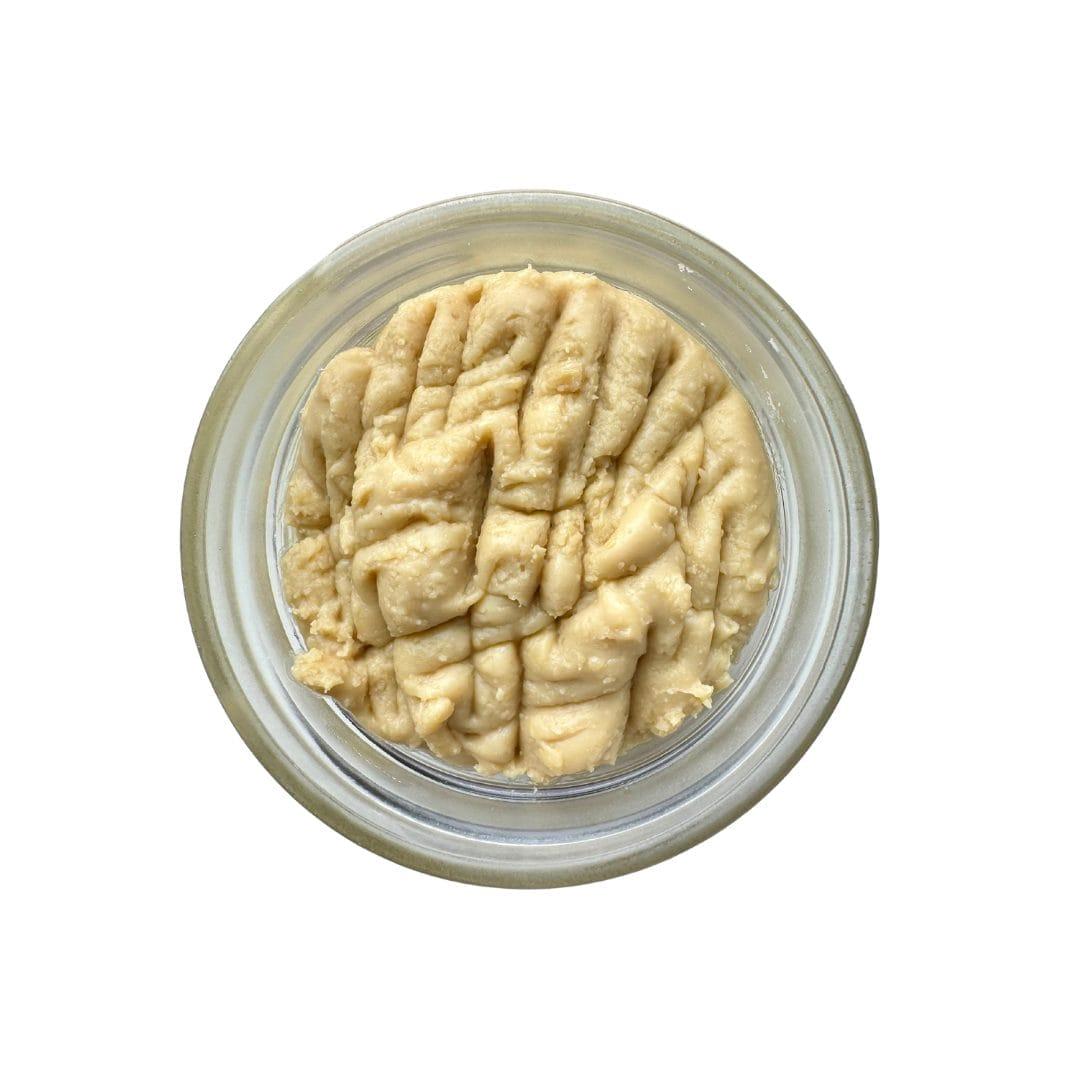
A quiet revolution is unfolding on dispensary shelves and ecommerce search bars alike: THCa - tetrahydrocannabinolic acid, the chemical cousin of THC – has carved out its own niche in the evolving cannabis marketplace. Far from a single, uniform product, THCa appears across a mosaic of formats – raw flower, crystalline isolates, vape cartridges, tinctures and infused edibles – each answering different consumer needs, regulatory constraints and retail strategies. Tracking how sales ebb and flow between these product types reveals more than preference; it reveals market structure, innovation pathways and the subtle interplay of policy and pastime.
This article maps that landscape. Using recent retail data, category-by-category sales analysis and cross-regional comparisons, we trace which THCa formats are gaining momentum, which are stabilizing, and which are being outpaced by adjacent cannabinoids or alternative delivery systems. You’ll see patterns in pricing, seasonality and buyer demographics, and read how regulatory decisions, testing requirements and marketing practices shape what ends up in consumers’ hands.
Our approach aims to be both measured and imaginative: measured in its reliance on hard sales data and neutral interpretation, imaginative in drawing connections that help business leaders, policymakers and curious readers anticipate what comes next. Whether you’re a product manager deciding which SKU to scale, an investor sizing market possibility, or a journalist wanting context beyond headlines, this analysis is intended as a practical compass through the many product types that define the THCa market today.
Pricing, Promotion and Bundling Recommendations to Boost THCa Margins
Shift away from one-size-fits-all pricing and lean into value segmentation. Price by perceived potency and use-case – daily microdoses, social/occasional, and therapeutic packs - so shoppers immediately see which product matches their intent. Introduce an anchoring SKU (a mid-priced bestseller) to lift the perceived value of premium THCa options and use small, periodic markdowns on slow-moving SKUs rather than blanket discounts. Experiment with time-based surge pricing for limited-release cultivars and adjust wholesale terms for consistent high-margin lines.
Promotions should amplify margin, not erode it. Combine low-cost supports (educational content, verified lab results) with promotional mechanics that encourage larger baskets:
- Tiered bundles: 2-pack (trial), 4-pack (value), hero 8-pack (subscription-friendly).
- Cross-category pairing: THCa + terpene drops or branded storage accessories at a modest premium.
- Time-limited micro-sales: flash discounts on add-ons to increase AOV rather than deep cuts on hero SKUs.
Simple packaging of bundle economics helps sales teams and checkout conversions. Use short, visual labels - “Daily Balance (low-dose)”, “Weekend Wind-Up (social)”, “Restore Kit (therapeutic)” – and price the bundles to show a clear per-dose saving while preserving at least a 20-35% margin uplift versus single-unit purchases. Below is a compact reference you can adapt by cultivar and cost base.
| Bundle | Typical Price Delta | Est. Margin uplift |
|---|---|---|
| Trial Duo | +10% vs single | ~18% |
| Value 4-Pack | +20% vs single | ~25-30% |
| Hero Kit (8) | +35% vs single | ~30-40% |
Measure everything: A/B test bundle prices, track margin per transaction, and report on cohorts (new vs. repeat buyers). Prioritize promotions that create habitual repurchase – subscription discounts, refill reminders, and loyalty points on bundled purchases – as consistent velocity is the single biggest driver of sustainable THCa margin expansion.
Operational Playbook: Stocking, Compliance and Go to Market Tactics for THCa Success
Think of inventory as a living ecosystem: a curated mix of formats (vapes, tinctures, flower, gummies, and topicals) that respond to seasonal demand and regulatory shifts. Keep SKUs tight-prioritize 6-10 core items that cover high-margin, high-velocity, and discovery segments. Rotate limited-edition runs to create urgency without bloating warehouse footprints. Use automated re-order points and micro-batch replenishment so shelf-facing assortments stay fresh and compliant while minimizing carrying costs.
Regulatory diligence must be baked into every touchpoint. Maintain a central compliance dossier that ties batch COAs, lab chain-of-custody, and vendor declarations to SKU records. Key actions to operationalize immediately:
- Require COAs for every incoming lot and archive them by batch number.
- Standardize labels with terpene profiles,THCa content,and legal disclaimers.
- Enforce lot-level traceability through inventory software integrations.
- Train frontline staff on variation tolerances and consumer-facing claims.
Go-to-market plans should hinge on education-first tactics: demo programs, QR-enabled COA scans on shelf, and clear sell-sheets for retail partners. Segment offers by use-case (relief, recreation, wellness) and craft targeted promos-bundle a starter set for first-time buyers, and subscription bundles for habitual users. Pricing should reflect compliance burden (testing, labeling) so margins remain healthy while promotional elasticity stays predictable.
Use the fast-reference table below in your SOPs to align stocking cadence, compliance checks, and launch mechanics:
| SKU Priority | Stock Cadence | Compliance Check |
|---|---|---|
| Core Vape | Weekly refill | COA, batch trace |
| Edible Sampler | Bi-weekly | Label accuracy, dosing |
| Topical | Monthly | Ingredient disclosure |
To Conclude
As the market map of THCa sales continues to redraw itself, the patterns that emerged from product-type analysis offer a pragmatic lens: concentrates and raw flower may lead volume in some regions, while infused edibles and topicals carve out niche value and steady margins elsewhere. Price sensitivity, consumer sophistication, and retail channel dynamics all layer together to shape which products thrive and which plateau. Data doesn’t just describe what happened – it points to where demand is incubating and where competition will intensify.
For operators and observers alike, the takeaway is straightforward and actionable without being prescriptive: monitor granular SKU performance, respect regional regulatory contours, and respond to shifting consumer preferences with measured experimentation. Diversify product strategies enough to capture adjacent opportunities,but let rigorous sales and margin analytics guide inventory and marketing priorities.In a market still defining its norms, nimbleness grounded in evidence will outlast short-term fads.
thca sales trends read like an evolving mosaic – each tile a product type, each colour a customer segment, each pattern an influence of policy or price. Keep tracking the pieces, question what new patterns could form, and let fresh data be the compass for your next move.
