



A single plant molecule can open a tangle of regulatory questions.As THCA products move from cultivator to consumer, businesses and carriers must navigate a shifting landscape of federal, state and international rules that touch testing, labeling, packaging, transport and documentation. Getting these details wrong can disrupt supply chains, invite enforcement action or strand shipments – so compliance is more then paperwork; it’s risk management.
This guide walks that terrain. Drawing on current laws, common carrier policies and practical operational practices, it explains the key legal distinctions that affect THCA shipping, highlights the checkpoints shippers should build into logistics workflows, and flags common pitfalls and compliance traps. You’ll find clear descriptions of testing and THC thresholds, labeling and manifest requirements, carrier acceptance and refusal issues, cross-border considerations and record-keeping best practices.Whether you’re a grower, processor, retailer or logistics provider, this article aims to give you a usable map: the legal landmarks to watch, the operational routines that reduce exposure, and the questions to raise with counsel and regulators. Because the rules continue to evolve, the goal here is not to promise a one-size-fits-all solution but to equip you to make informed, compliant decisions.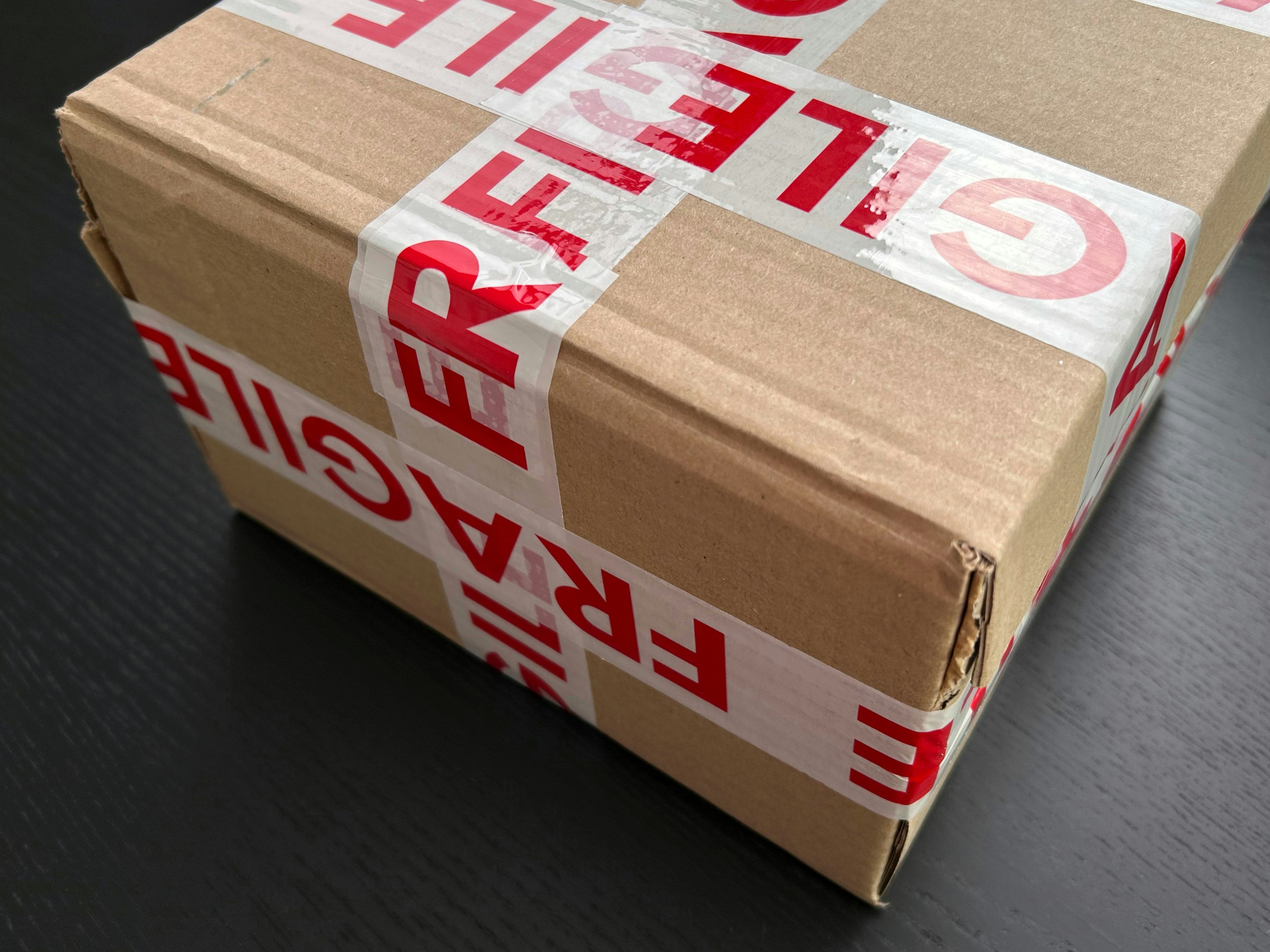
Packaging,Labeling,Lab Testing,and Chain of Custody Best Practices for Passing Inspections
Think like an inspector: packaging should protect the product,prove it hasn’t been altered,and make compliance obvious at a glance. Use tamper-evident and child-resistant closures, inert barrier materials to prevent contamination, and inner seals that preserve terpene profiles if required. Ship in opaque,clearly marked outer cartons and attach a detachable manifest or barcode that ties the parcel to a single batch. Keep a digital and paper backup of every pre-shipment inspection checklist so a missing screw or crushed label won’t derail a visit.
Labels are the voice of your product on the shelf and the first thing regulators read. Every label should be legible, durable under normal handling, and mirror the lab report exactly: cannabinoid potency (including THCA and Δ9-THC), net weight, batch/lot number, manufacturing and expiration dates, and clear regulatory warnings. Use high-contrast fonts at sizes readable without magnification. Consider adding a QR code linking directly to the Certificate of Analysis (COA) – but ensure the COA’s sample ID, date, and results match the label text precisely. Key label elements to verify before shipping include:
- Product identity: common name and SKU
- Potency declaration: THCA, Δ9-THC, total cannabinoids
- Traceability: Batch/lot number and COA link or QR
- Safety statements: Child safety, use warnings, jurisdictional disclaimers
Lab testing and chain-of-custody are inseparable. Use ISO/IEC 17025-accredited labs when possible, keep chain-of-custody (COC) forms with timestamps and signatures for every sample, and require reporting of method detection limits and uncertainty alongside results. Maintain a single source-of-truth file (digital and backed up) that ties: sample ID → COC → final COA → shipped package. For practical audits, a compact table can definitely help inspectors find essentials quickly:
| Document | Purpose |
|---|---|
| COA | Verifies potency & contaminant testing |
| COC form | Tracks custody, signatures & timestamps |
| Packing List | matches shipped items to lot IDs |

Choosing Carriers, Crafting Insurance Policies, and Drafting Contract Clauses to Limit Liability
selecting the right partner to move THCA product is more than price and speed – it’s about compliance, traceability, and risk tolerance.Look for licensed carriers with documented experience in hemp/cannabinoid logistics, robust chain-of-custody procedures, and the ability to provide tamper-evident packaging and temperature control were needed. Verify DOT and state permits, ask for safety records, and confirm any special handling capabilities (e.g.,refrigerated vans,secure freight). A carrier’s willingness to participate in compliance audits and to supply timely electronic tracking data is ofen a better predictor of long-term reliability than the lowest bid.
Insurance design needs to mirror the product’s regulatory sensitivity. Typical layers include cargo insurance, commercial general liability, and product liability, with endorsements for regulatory recall and spoilage where applicable. Request a certificate of insurance naming your company as an additional insured and specify minimum limits and deductible responsibilities. Consider also policy features such as declared value coverage, coverage for cross-border transit (if relevant), and explicit coverage for loss due to product contamination or illegal diversion.
- Cargo Insurance: Protects value in transit.
- Product Liability: Covers consumer harm claims arising from product issues.
- Pollution/Recall endorsements: Important for contamination or regulatory recalls.
- Certificates & Audit rights: Evidence of coverage and ability to verify policy terms.
Contracts are where risk allocation becomes enforceable. Common clauses to consider are indemnity for third‑party claims, a clear limitation of liability (caps and exclusions), warranties of legal compliance and chain-of-custody, and a defined regime for force majeure and termination. Practical additions include audit and inspection rights, obligations to notify regulatory authorities, and discrete dispute-resolution terms (venue and governing law). A short operational table below can help translate these choices into procurement criteria for carrier selection and insurance minimums.
| Carrier Type | Licenses/Permits | Typical Liability Cap | Recommended Insurance |
|---|---|---|---|
| Specialized Hemp Carrier | State hemp transport + DOT | $250k-$1M | Cargo + product Liability |
| General Freight Broker | Broker Authority; carrier vetting required | $100k-$500k | Cargo + GL; add endorsements |
| dedicated Secure Logistics | Security clearance; chain-of-custody systems | $500k-$2M | Thorough: Cargo, PL, Recall |

Operational Checklist and Staff Training Programs to Embed Ongoing THCA shipping Compliance
Turn compliance into an everyday habit by building a compact, actionable checklist that staff can follow without pausing operations. Include pre-shipment verifications such as product THCA test certificates, verified manifests, carrier authorization, and age-restriction controls. Make the checklist visible at packing stations and as a digital prompt in your order-management system so the same items-secure packaging, tamper-evident seals, correct labeling, and chain-of-custody documentation-are confirmed for every parcel.
Complement the checklist with a modular training program that matches real tasks. Core modules should be short, scenario-driven, and refreshed quarterly. Recommended modules include:
- Compliance Essentials – statutory overview and company policy (30-45 min)
- Packing & Labeling Best Practices – hands-on demos and failure cases
- Documentation & Recordkeeping – how to file, index, and retrieve certificates
- Incident Response & Escalation – who to call and how to log shipping exceptions
| Role | Primary Responsibility | Training frequency |
|---|---|---|
| Shipping Lead | Final checks, carrier handoff | Quarterly |
| Compliance Officer | Policy updates, audits | Monthly |
| Warehouse Staff | Packing, labeling, documentation | bi-monthly |
Keep compliance alive through routine reinforcement: run monthly mock audits, track simple KPIs like error rate per 100 shipments and time-to-resolution for exceptions, and integrate short e-learning refreshers tied to performance.Use a feedback loop where audit findings feed directly into the checklist and training calendar so improvements become part of the workflow rather than an afterthought.
Closing Remarks
Like any journey through shifting terrain,shipping THCA safely and legally requires good maps,steady navigation,and a readiness to reroute when roads change. By understanding the legal landscape, documenting chain-of-custody, choosing compliant carriers, and building internal processes for testing, labeling, and recordkeeping, businesses can reduce risk and keep shipments moving. Remember that laws and enforcement priorities vary by jurisdiction and evolve quickly-what’s compliant today may need adjustment tomorrow.Practical next steps are straightforward: inventory your obligations, align product testing and labeling with the most restrictive applicable rules, vet and contract with carriers that accept THCA shipments, train staff on procedures, and maintain clear records. When in doubt, seek guidance from regulatory agencies and qualified counsel familiar with cannabis and hemp law; they can translate statutes and agency guidance into operational checklists tailored to your situation.
Compliance is more than a legal checkbox-done well, it’s a strategic advantage that builds trust with partners, reduces disruptions, and protects your business as the market matures. Keep monitoring regulatory updates, invest in systems that make compliance repeatable, and treat adaptability as part of your shipping playbook. With vigilance and the right partners, you can navigate the complexities of THCA shipping with confidence.

