



Like a quiet molecule that suddenly becomes controversial when heated, THCA (tetrahydrocannabinolic acid) sits at the center of a legal knot: chemically distinct from the psychoactive THC found in smoked cannabis, but capable of converting into it through decarboxylation. That chemical flip has produced a patchwork of rules across the United States-federal laws, DEA statements, and the 2018 Farm Bill’s hemp exemption offer pieces of guidance, yet leave room for interpretation and widely varying state responses. The result is a landscape that can feel more foggy than firm to producers, retailers, consumers, and regulators alike.
This article untangles that landscape. We’ll explain what THCA is and why it matters legally, summarize how the Farm Bill’s hemp definition and federal agencies have approached hemp-derived cannabinoids, and map how states differ in restricting or permitting THCA products. Along the way we’ll highlight practical implications for stakeholders and flag where the law is highly likely to evolve, so readers can understand not just what the rules say today but how they might change tomorrow.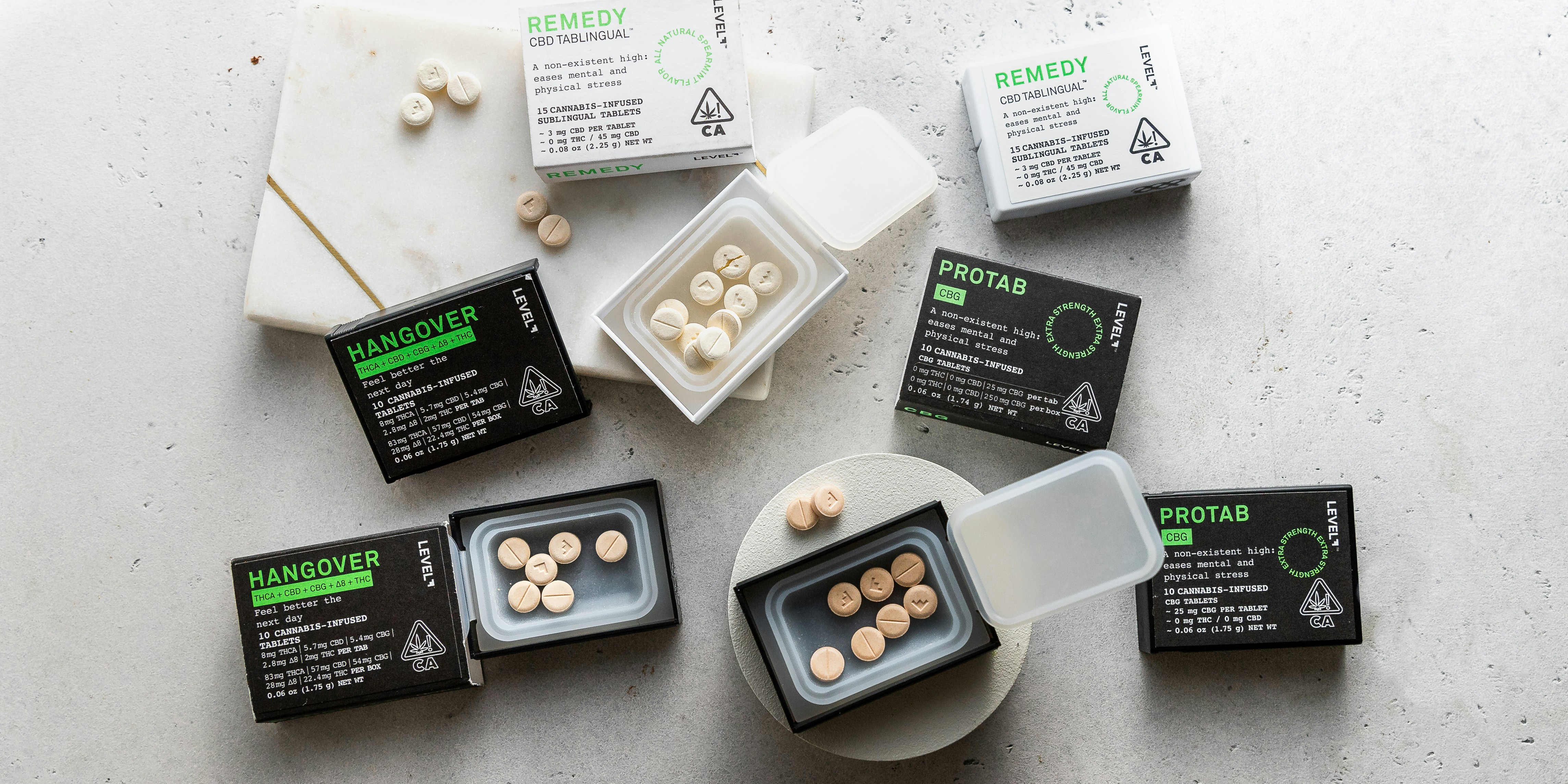
Understanding THCA in the Context of DEA Guidance and Farm Bill clarity
Raw THCA sits at the crossroads of chemistry and policy: it’s the non‑intoxicating precursor to delta‑9 THC that becomes psychoactive when heated. Regulators and courts often focus on measured levels of delta‑9 THC, but the pathway from THCA to delta‑9 raises practical questions about intent and measurement.This scientific nuance has made THCA a focal point for both the DEA and states trying to translate the federal Farm Bill into enforceable rules.
While the 2018 Farm Bill created a clearer federal definition for hemp as containing no more than 0.3% delta‑9 THC on a dry weight basis, it did not explicitly settle every compound‑specific issue. That gap left room for interpretive differences: some regulators treat hemp‑derived THCA as acceptable so long as delta‑9 remains below the threshold, whereas others flag THCA because it can convert to delta‑9. The DEA’s public statements and enforcement patterns have tended to emphasize measurable delta‑9 levels and trafficking intent,but agency guidance has not erased all ambiguity.
For businesses, researchers and consumers, the consequences are concrete:
- Testing strategy: choose accredited labs and clarify whether results report THCA, delta‑9, or total potential THC.
- Labeling and marketing: be precise about “hemp‑derived” claims and avoid implications of intoxicating effects unless allowed by law.
- Interstate commerce: shipment across state lines can trigger differing enforcement if receiving states interpret THCA differently.
- Risk management: document sourcing,chain‑of‑custody,and analytical methods to demonstrate compliance.
| Regulatory Focus | what to watch | Typical Outcome |
|---|---|---|
| Delta‑9 Measurement | Testing method and sample basis | Pass/fail for hemp status |
| THCA Presence | Conversion potential when heated | Scrutiny where intent is uncertain |
| State Variance | Local rules and enforcement posture | Patchwork of permissive to restrictive |
In practice, reading DEA statements alongside Farm Bill language helps clarify where legal friction is likely – but operational caution and rigorous testing remain the best hedge against enforcement surprises.
Policy Pathways and recommendations for Harmonizing THCA Rules and Protecting Consumers
Where federal statutes and state innovation intersect, clarity becomes a consumer-safety imperative.Ambiguities around THCA – its relationship to delta‑9 THC, how it converts under heat, and whether dried hemp with high THCA meets “delta‑9” thresholds – have produced a patchwork of rules that confuse regulators, retailers and buyers alike. A practical approach centers on aligning legal definitions with chemistry: specify measurement standards (post‑decarboxylation vs. pre‑decarboxylation) and adopt a uniform threshold methodology so that a product’s intoxicating potential is measured consistently across jurisdictional lines.
A pragmatic regulatory framework should balance public health outcomes with market predictability. Recommended pathways include harmonized testing protocols, clearer interstate commerce rules, and robust labeling to empower consumers. Equally vital is creating predictable compliance timelines so small producers can adapt without disruptive market exits. Below are focused actions policymakers can adopt to translate those principles into enforceable policies:
- Define the metric: standardize whether legal THC is calculated as decarboxylated delta‑9 (on a molecular equivalence basis) or by another agreed method.
- Standardize testing: require accredited labs, uniform sampling procedures, and method validation for THCA-to-THC conversion testing.
- Transparent labeling: mandate clear potency disclosure, heating/warning statements, and batch QR codes linked to lab certificates.
- Interstate guardrails: create federal guidance that lets states enforce consumer protections while allowing lawful interstate trade under consistent product definitions.
| Policy Pathway | Primary Consumer Benefit |
|---|---|
| Uniform Potency metric | Predictable effects, less accidental overconsumption |
| Accredited Lab Network | Reduced mislabeling, better recall capability |
| Clear Labeling & QR Codes | Immediate access to safety and test data |
Implementation should be collaborative: convene federal agencies, state regulators, industry labs and consumer advocates to pilot standards, phase in new rules, and provide technical assistance to small businesses. Where science is unsettled, adopt precautionary disclaimers and sunset clauses that compel review. The goal is not to stifle innovation but to create a reliable, science‑based marketplace in which consumers can make informed choices and regulators can efficiently target the products that pose genuine public‑health risks.
Final Thoughts
As the dust settles on the federal headlines, THCA’s legal status still reads like a patchwork map – traced by the Farm Bill’s definitions, shaded by DEA guidance, and filled in block by block by state lawmakers. What began as a technical distinction at the federal level has become a living, local question: some states embrace THCA’s place in the hemp landscape, others restrict it, and many leave room for interpretation.
For readers navigating this terrain, the key takeaway is both simple and important: laws are evolving. keep an eye on state regulator notices, federal rulemaking, and court decisions that can shift the lines overnight. If you’re directly affected-whether as a grower, seller, or consumer-confirm current rules in your jurisdiction before taking action.Legislation and enforcement will continue to shape how THCA is treated, turning today’s uncertainty into tomorrow’s clarity. treat this guide as a compass, not a map, and return often as the landscape changes.

