



In the shadowy border between state freedom and federal oversight, THCA – the acidic precursor to the psychoactive compound THC – has become a molecule of legal intrigue. In California, a state known for progressive cannabis laws and a sprawling legal marketplace, THCA inhabits a peculiar middle ground: chemically benign until ignited or aged, scientifically distinct yet legally entangled. The Drug Enforcement Administration (DEA), federal statutes, state regulators, testing laboratories and industry actors all read the same chemical evidence through different lenses, creating a patchwork of interpretations and enforcement priorities.
This article walks that tightrope. We’ll trace how a single compound can expose the fault lines between CaliforniaS permissive regime and federal drug law, why laboratory methods and definitions matter as much as statutes, and how growers, retailers and consumers navigate uncertainty when one lab report can mean compliance – or a criminal inquiry. Neutral in stance but vivid in detail, the piece maps the legal, scientific and practical terrain of THCA in California, offering a clearer picture of what “legal” looks like when chemistry complicates the law.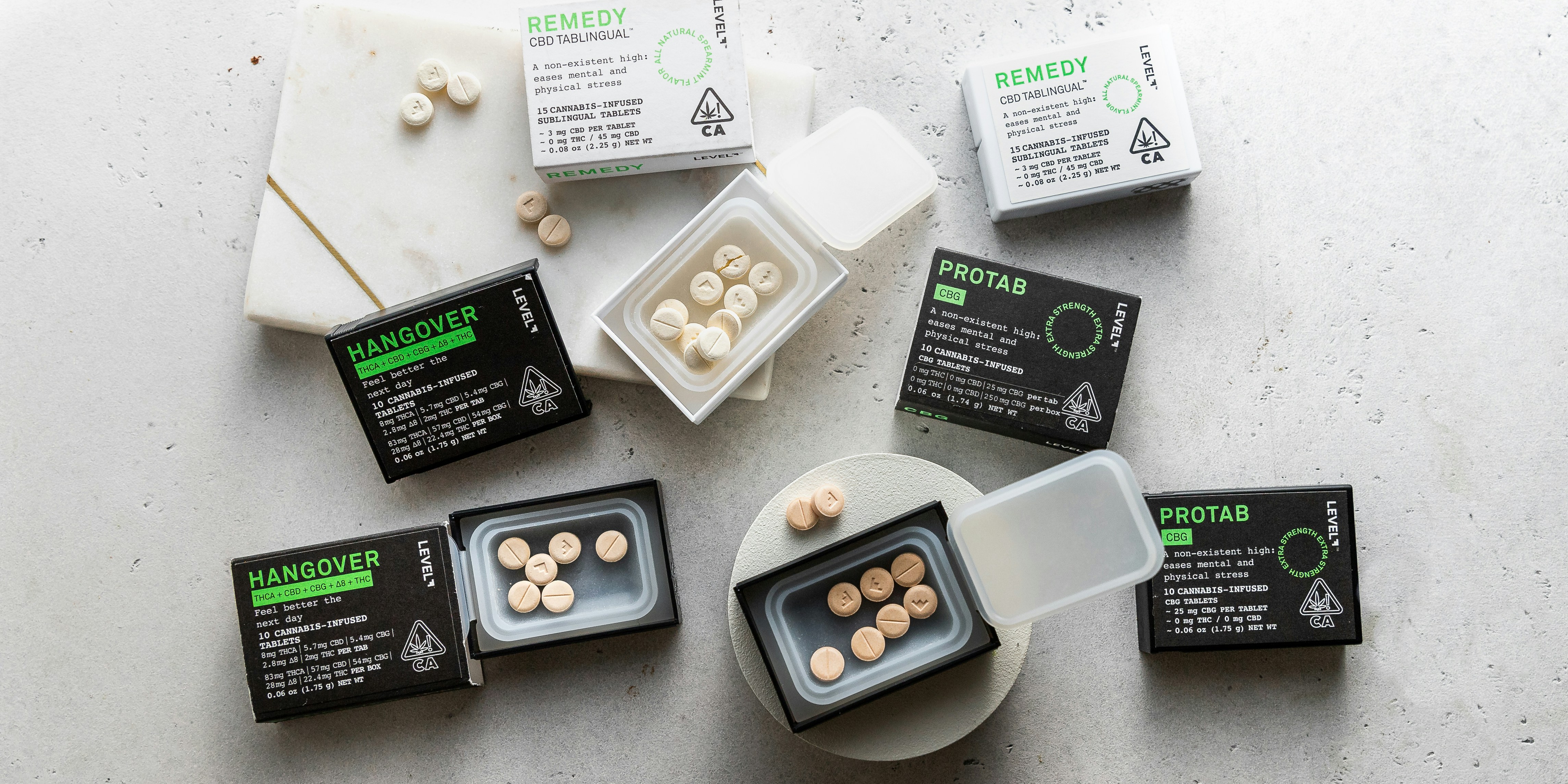
State law versus federal law in California: intersections, loopholes, and legal gray areas
California’s regulatory experiment has created a vivid patchwork where state permission and federal prohibition coexist uneasily. On paper, state rules support a licensed marketplace for cannabis and its compounds, while the Department of Justice and the DEA retain a federal criminal framework that can be enforced in specific circumstances. That overlap has produced a marketplace of creative compliance strategies – and a set of unresolved questions about which products, labeled ingredients, or production methods will attract federal scrutiny.
Companies, advocates, and consumers navigating this terrain watch a few practical fault lines closely:
- Source – whether a compound is derived from federally defined hemp or from plant material considered marijuana under federal law.
- Form – raw THCA flower versus decarboxylated (psychoactive) forms that become delta-9 THC when heated.
- Interstate movement – shipping across state lines or through federal channels invites greater risk.
- Intent and conversion – evidence of intent to convert THCA into active THC can shift enforcement posture.
| Outlook | Typical focus | Common gray area |
|---|---|---|
| California regulators | Licensing, public health, product testing | Hemp-derived THCA sold in state markets |
| DEA / federal law | Controlled substances, interstate trafficking | Whether a compound crosses the statutory definition of marijuana |

Risk mitigation playbook for growers and retailers: testing protocols, chain of custody, and compliant labeling
Testing is yoru first line of defense. Adopt a schedule that balances batch size and risk-test representative samples at pre-harvest, post-drying, and pre-shipment. Use ISO-accredited labs and validated methods (HPLC for cannabinoids, GC-MS for residual solvents) and insist on a Certificate of Analysis (CoA) that lists LOQs, LODs, and uncertainty. Keep retained samples for the statutory period and log every test with a timestamped entry so results are auditable and traceable.
Chain of custody must be airtight. every handoff-from field to processor to courier to lab-should be documented to prevent disputes and preserve evidentiary value. Key steps to standardize:
- Assign unique sample IDs and barcodes at collection
- Complete a signed transfer form on each handoff
- Photograph packaging seals and interior samples on collection
- Use tamper-evident packaging and logged courier services
Labeling isn’t just compliance – it’s trust. Labels should mirror coa data: cannabinoid content expressed as mg per serving and per package, batch number, harvest/processing dates, and a link or QR code to the full CoA. Avoid therapeutic claims and ambiguous language; instead, include clear usage instructions, allergen statements, and storage guidance. Train retail staff to read labels and confirm batch numbers at point-of-sale to reduce misrepresentation risk.
Operational controls close the loop. Maintain an incident and recall protocol, periodic internal audits, and a training cadence for harvest-to-shelf staff. The simple table below can be adopted as a quick reference for decision-making during QC events:
| Checkpoint | Target | Action if Out of Spec |
|---|---|---|
| THC/THCA Potency | < 0.3% Δ9-THC | Quarantine batch; retest; consult compliance counsel |
| Pesticide Screen | No detect above LOQ | Destroy batch or remediate per protocol |
| Microbial Load | Below action limit | Hold; remediate drying/processing; retest |

Strategies for advocacy and reform: practical policy proposals and how stakeholders can influence DEA and state rules
change at the intersection of federal and state cannabis policy means getting creative and organized. Start by forming cross‑sector coalitions – patients, growers, scientists, clinicians, and small businesses – that can speak with one voice. build a short, shareable policy platform that frames THCA issues in public‑health and economic terms: safety standards, lab testing openness, clear definitions that separate hemp THCA from controlled substances, and explicit research exemptions. These talking points make it easier for legislators and regulators to act without getting bogged down in technicalities.
Practical tactics are simple, repeatable, and scalable. Use a mix of grassroots and technical strategies:
- Public comments: Coordinate template comments for DEA dockets and California rulemakings to flood the record with consistent data and patient stories.
- Model legislation: Draft short, targeted state bills or regulatory language that legislatures can adopt quickly.
- Policy pilots: Push for limited pilot programs that allow regulated THCA commerce under strict reporting and testing – pilots build the evidence regulators crave.
- research partnerships: Fund or partner with universities to produce peer‑reviewed data that undercuts assumptions about risk.
influencing the DEA and state agencies means leveraging procedure as much as persuasion. File petitions, submit FOIA requests to document enforcement patterns, and participate in hearings. When rules are proposed, create concise technical appendices that address enforcement, supply‑chain traceability, and consumer safety – these reduce regulator uncertainty.Consider strategic litigation where states’ laws clash with federal enforcement, but use it as a complement to, not a replacement for, regulatory engagement and legislative fixes.
| Stakeholder | High‑impact action |
|---|---|
| Patients & caregivers | Tell personal stories in comments; request safety carve‑outs |
| Industry | Fund testing programs; propose lab standards |
| Researchers | Publish pilot data; offer expert testimony |
The way Forward
As California’s THCA market continues to unfold, the line between state permissiveness and federal enforcement reads less like a straight rule and more like a shifting shoreline – familiar in outline but reshaped with every new tide of policy, science, and court rulings.For consumers, producers, and policymakers alike, the practical landscape will be defined as much by how agencies interpret statutes and evidence as by the text of any single law.
That uncertainty is not necessarily a defect; it’s the condition that forces careful documentation, clearer testing standards, and more deliberate policymaking. Whether you’re watching DEA guidance, state regulations, or emerging research, the moast reliable stance is an informed one: monitor developments, seek reputable sources, and let both caution and curiosity guide decisions.
THCA’s legal story in California will be written in real-world cases, regulatory letters, and scientific papers.Stay attentive to those chapters as they come, and recognize that today’s gray areas may become tommorow’s statutes – or court precedents – shaping a new map for cannabis and cannabinoid law.

