



Imagine opening a curious, verdant door into the world of cannabinoids and finding THCA waiting on the other side – not as a rush of smoke or a promise of intoxication, but as a quietly intriguing compound with its own story. For many newcomers, THCA feels like a gentle introduction: it’s related to THC but behaves differently, shows up in a variety of products, and raises questions about how to explore it safely and enjoyably. this article, ”THCA uncovered: Beginner-Friendly Products & Tips,” is your map for that first walk-through.
we’ll start with a clear, simple snapshot of what THCA actually is and how it differs from its more famous relative, THC, so you won’t need a chemistry degree to follow along. From there, we’ll highlight approachable product types – from raw flower and tinctures to capsules and topical options – with straightforward notes on what newcomers can expect from each. Practical tips on choosing a product, reading labels, estimating effects, and minimizing common pitfalls will be woven throughout.
You won’t find sensational promises here, only practical guidance and neutral explanations to help you make informed choices. Along the way we’ll touch on safety basics and legal considerations so you can explore with awareness. Ready to uncover THCA? Let’s begin with the essentials and then point you toward beginner-friendly picks and sensible tips for getting started.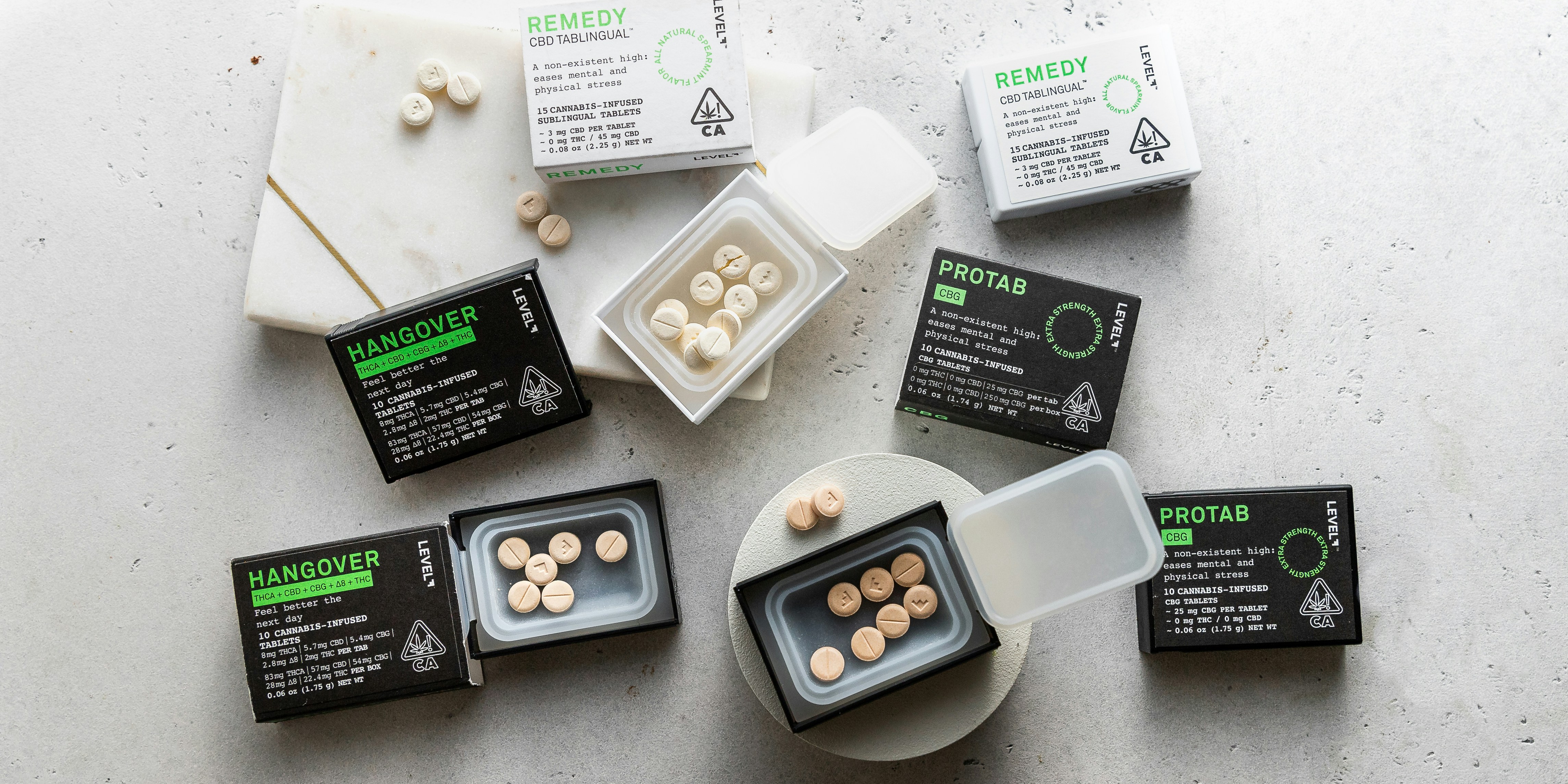
understanding THCA and How It Differs From THC: What New Users Need to Know
Think of THCA as the gentle,latent version of cannabis’ more famous compound.Found in fresh, unheated plant material, THCA itself does not produce the “high” associated with THC – it’s a so-called acidic precursor that only becomes intoxicating after a chemical change. For new users, that means some products are intentionally designed to preserve THCA for its unique effects and user experience rather than to intoxicate.
Key practical differences are easy to spot once you know what to look for.THCA ≠ THC in terms of experience or activation. THCA is typically listed on lab reports separately and behaves differently in the body. Below are swift, consumer-friendly points to keep in mind:
- Psychoactivity: THCA – non-intoxicating; THC – intoxicating.
- Activation: THCA converts to THC through heat (decarboxylation) or time and processing.
- Products: THCA is common in raw, cold-processed, or minimally heated items; THC dominates smoked or baked goods.
- Labeling: Look for separate THCA/THC figures on lab certificates to understand what you’re buying.
| Property | THCA | THC |
|---|---|---|
| psychoactive? | No (unless converted) | Yes |
| How it appears | Fresh or cold-processed | Smoked, vaped, or heated |
| Good for | Non-intoxicating wellness experiments | Recreational or symptom relief (intoxicating) |

Choosing Your First THCA Product: Tinctures,Raw Flower,Rosin and top Picks for Beginners
There’s a gentle learning curve when exploring THCA - formats matter more than marketing. If you want discretion and measured dosing, tinctures are the easiest entry point: dropper bottles allow micro-dosing and a predictable onset when taken sublingually. For those intrigued by minimally processed cannabis, raw flower offers a conventional experience (think gentle aromas and the option to cold-press or juice), while rosin delivers a potent, solventless concentrate favored for purity and flavor. Each category serves a different mood and routine,so choose the format that fits how you want to use it rather than the loudest label.
When picking your first bottle, jar, or slab, prioritize clarity over hype. Look for lab certificates (COAs) that list THCA content and contaminants, check whether the product is full-spectrum or an isolate, and note recommended serving sizes. Keep your first sessions simple: fewer variables make it easier to learn how a product affects you. A short checklist to consult at the shop or online will keep decisions sensible:
- COA present: verify potency and purity
- Start low: choose lower THCA concentrations to learn your tolerance
- Easy format: tinctures and pre-ground raw flower are user-friendly
- Clear dosing: serving size visible on the label
| Format | Pros | Typical Onset |
|---|---|---|
| Tincture | Controlled dosing, discreet | 15-45 minutes (sublingual) |
| Raw Flower | Minimal processing, aromatic | Varies by method; gentle overall |
| Rosin | High potency, solventless | Rapid when inhaled |
For first-timers, favored beginner picks tend to be: a low-dose, broad-spectrum tincture with clear COA; responsibly sourced raw flower sold for legal consumption and labeled for beginner use; and small, well-tested rosin samples if you’re curious about concentrates. Above all, favor transparency and small portions – and keep a short log of what you tried and how it felt. Those two habits will turn a few cautious experiments into confident choices over time.

Safe Dosing Strategies: Starter Dose Recommendations and How to titrate Slowly
Start low, go slow is more than a slogan-it’s the most reliable way to learn how your body responds. Begin with a very small amount and give each dose time to reveal its effects before adjusting. Individual factors like body weight, metabolism, prior cannabis experience, and whether the product has been heated (which converts THCA to THC) all change the outcome. Treat early sessions like an experiment: controlled, deliberate, and well-documented.
Adopt a simple titration routine: pick a conservative starting dose, remain in a pleasant setting, and wait the appropriate amount of time to judge effects. Use precise tools-a dropper, measured scoop, or a scale-and avoid guessing. Increase only one variable at a time so you can attribute any change to dose, not context. The following quick steps keep the process tidy and repeatable:
- Baseline: note mood, sleep, food, and recent substances.
- Start: take a small starter amount and set a timer.
- Wait: observe for the product’s typical onset window before adding more.
- Adjust: raise the dose in tiny increments (small mg amounts) over several days if needed.
- Log: record dose, form, time to peak, and subjective effects.
| Product Form | Starter Dose (guideline) | Typical Time to Peak |
|---|---|---|
| Raw THCA tincture | 1-3 mg | 15-45 minutes |
| THCA-containing edible | 2.5-5 mg | 45-180+ minutes |
| Heated/decarboxylated product | 2.5 mg (very conservative) | 10-90 minutes |
Practical safety reminders: do this at home or in a safe place, avoid mixing with alcohol or sedatives, and don’t drive until you know how you react. If an effect is stronger than intended, hydrate, relax, and remember that acute effects are temporary. Over time, your logs will build a personal dosing map-much more useful than any one-size-fits-all recommendation.
Reading Certificates and Labels: Red Flags, Potency and Third party Lab Results Explained
Think of a product label and its lab certificate as a map and legend – together they should point you straight to what’s inside the bottle or package. A genuine Certificate of Analysis (COA) from a third-party lab will list the cannabinoid profile (showing separate values for THCA and Δ9‑THC), terpene content, and safety tests (pesticides, heavy metals, residual solvents, microbial). Pay attention to batch numbers and dates so the COA matches the specific product you hold; without that tie-in, the numbers are essentially meaningless. Also look for the lab’s name and accreditation (ISO/IEC 17025 is a strong sign the lab operates to standard methods).
Potency often hides in plain sight. labels might advertise total THCA content, but remember that THCA converts to THC when heated - the typical conversion factor is about 0.877, so total potential THC = THC + (THCA × 0.877). Check whether the label reports milligrams per serving or per container, and verify that the COA reports the same units (mg/g or % by weight). Chromatograms and detection limits (LOQs) on COAs show how confidently low-level contaminants were ruled out; a “non-detect” with a high LOQ is not the same as a tight, low LOQ result.
- Missing COA – no verification of potency or safety.
- Vague potency - “up to” or rounded claims with no batch number.
- No lab name or accreditation - unverifiable results.
- Unrealistic numbers – extremely high mg counts for small volumes or unfeasible THC/THCA percentages.
- Failed safety tests hidden – look for ”pass/fail” and any flagged analytes.
| Label Claim | What to Verify | Quick Takeaway |
|---|---|---|
| “1000 mg THCA per bottle” | Match to COA batch; mg per serving; pot. THC calculation | Check mg/serving and COA date |
| “Lab tested” (no link) | Find COA link/QR and lab accreditation | Ask for COA or avoid |
| “All-natural, no pesticides” | Confirm pesticide screen on COA | Words ≠ proof |
Closing Remarks
Like any new corner of the cannabis landscape, THCA opens a door to curious flavors, formats, and experiences - and the best way to walk through it is with a clear map and steady steps. Keep the basics in your toolkit: choose reputable products with lab results, start low and go slow, pay attention to how you feel, and stay informed about local laws. Whether you prefer tinctures, flower, or discreet pre-filled options, let quality and transparency guide your choices rather than hype. With a bit of patience and careful sourcing, exploring THCA can be a thoughtful, low-pressure part of your broader cannabis journey. Stay curious,stay safe,and enjoy learning what works for you.

