



Hidden in the glossy trichomes of a freshly harvested cannabis bud is a compound that frequently enough escapes the spotlight: THCA. Less notorious than its famous descendant THC, THCA arrives at the scene as a raw, non-intoxicating molecular precursor with its own chemical quirks and practical considerations. It’s the kind of subject that rewards curiosity-part botanical biography, part chemistry lesson, and entirely relevant to anyone exploring modern cannabis use beyond the usual headlines.
This article peels back the layers on THCA-what it is,how it behaves,and why its properties matter for consumers,cultivators,and formulators. You’ll get pragmatic usage tips for handling and consuming THCA-rich material, learn how heat transforms it into THC, and discover the regulatory and testing nuances that set it apart from other cannabinoids. Neutral and evidence-minded, the piece aims to clarify the facts so you can weigh the options and make informed choices.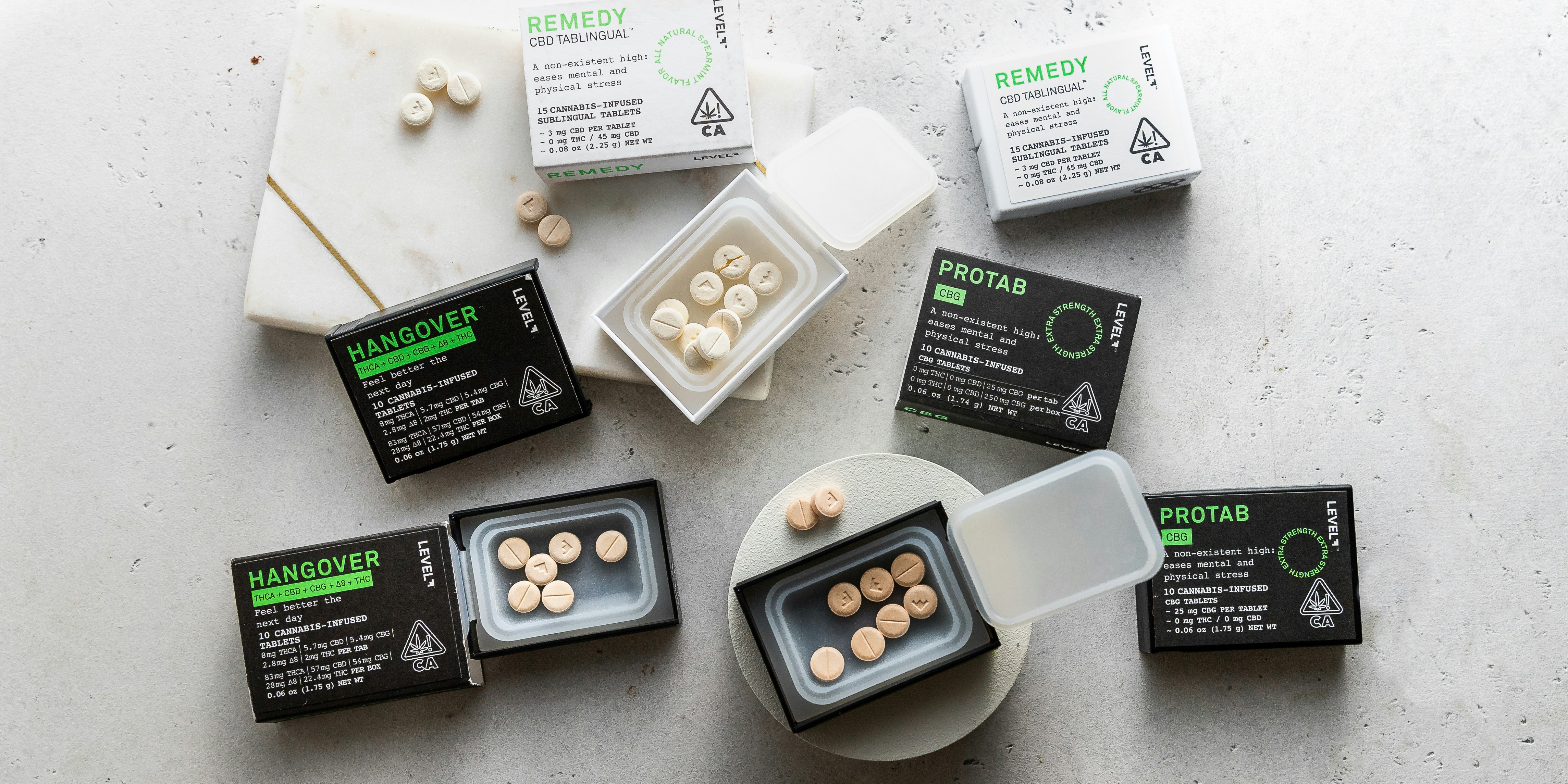
THCA Demystified: The Chemistry that Makes It Unique
The molecule in question wears its identity on its sleeve: a subtle extra piece called a carboxyl group makes all the chemical difference. That small addition changes how the compound interacts with heat, light and receptors, so what lives in the raw plant is not the same as what appears after drying or smoking. Think of it as a sleeping form-chemically related to its better-known cousin but behaving differently until energy nudges it into a new shape.
| Feature | Raw Form | After Activation |
|---|---|---|
| Molecular tweak | Has -COOH (carboxyl) | Carboxyl removed |
| Response to heat | Stable until warmed | Transforms with heat/light |
| Typical lab tag | Acidic precursor | Neutral derivative |
Its chemistry is practical and predictable. key processes to remember include:
- Decarboxylation: heat and time remove the carboxyl group.
- Stability: exposure to light and oxygen accelerates change.
- Solubility: acidic form behaves a bit more polar than the neutral molecule, affecting extraction choices.
These simple tendencies guide how cultivators, extractors and formulators handle the raw material to either preserve the acid form or convert it on purpose.
What makes this compound compelling is its role as a chemical hinge between plant chemistry and consumer experience. In the lab it is tracked,quantified and sometimes preserved; in kitchens and clinics it is converted by heat or age into other forms. Understanding that hinge-how a tiny functional group governs reactivity,binding and perception-turns what seems like a single ingredient into a toolbox for different outcomes.

Practical Usage and Dosing Guidelines: From Juicing to Tinctures and vaping
Raw consumption – think juicing and smoothies – is the gentlest way to explore THCA without activating its psychoactive cousin.For juicing, use fresh, pesticide‑free leaves and flowers and start with a small portion (a handful to a few grams of plant material blended into a drink) once daily to assess tolerance. Because THCA levels in raw plant matter vary, pay attention to subtle bodily changes over several hours rather than expecting an immediate effect. start low and go slow remains the best rule: increase servings gradually across days, and pair your juice with other greens or fruit to improve flavor and absorption.
Tinctures and oils give much more predictable control. Choose between full‑spectrum extracts (which carry other cannabinoids and terpenes) and isolates (pure THCA) depending on whether you want entourage effects. As a practical guide, many users begin with microdoses in the 2.5-5 mg THCA range for sublingual tinctures, holding the liquid under the tongue for 60-90 seconds before swallowing to speed onset. Keep in mind oral onset is slower but longer lasting than inhalation – expect effects to build over 30-120 minutes. Helpful habits:
- Label every bottle with mg per dropper;
- Shake emulsified tinctures before use;
- Record dose, time, and subjective effects in a simple log for a week.
Vaping and combustion convert THCA into THC through heat (decarboxylation), so if your goal is non‑intoxicating THCA benefits, these are not ideal. If you choose vaping, take one short puff and wait 5-10 minutes before repeating – effects come fast and dosing is less forgiving. below is a fast reference table to compare practical starting points and expectations across methods:
| Method | Typical starting dose | Onset | Duration |
|---|---|---|---|
| Juicing (raw) | Small handful (a few g fresh) | Subtle, hours | Several hours |
| Sublingual tincture | 2.5-5 mg THCA | 15-60 min | 4-8 hours |
| Edible oil/capsule | 5-10 mg THCA | 30-120 min | 6-12 hours |
| Vaping/smoking | One short inhalation | Minutes | 1-4 hours |
Final practical tips: keep all THCA products in a cool, dark place to preserve potency; start dosing on days when you can observe how you react (no driving or heavy machinery at first); and consult third‑party lab reports when available.Above all, listen to your body and respect the variability between strains, extraction methods, and individual physiology.

Evidence and Applications: What Research and Clinical Reports Say
The scientific landscape around THCA reads like a map with promising landmarks but many uncharted roads. Most of the robust data come from preclinical studies-cell cultures and animal models that repeatedly show anti-inflammatory, neuroprotective and antiproliferative signals. Mechanistic work suggests THCA modulates inflammatory pathways (including COX enzymes and PPARγ activation) and can influence ion channels and intracellular signaling cascades,yet it typically lacks the strong CB1-driven psychoactivity of THC. In short: biologically active, but not necessarily intoxicating in its native acidic form.
Clinical evidence is far thinner. A handful of case reports and small observational series point to potential benefits for chemotherapy-related nausea,inflammatory pain,and certain neurodegenerative symptoms,but rigorous randomized trials are missing. Real-world use tends to follow these themes:
- Anti-inflammatory support – topical and oral preparations reported to reduce swelling in anecdotal reports.
- nausea and appetite – small case notes suggest relief without intoxication.
- neurological symptoms – preliminary animal data supports neuroprotection; human evidence is preliminary.
These findings are intriguing but should be framed as early-stage evidence rather than established clinical practise.
For clinicians and consumers, the takeaway is pragmatic: THCA offers a different pharmacological profile worth exploring, especially when non-psychoactive options are preferred. Practical considerations include preserving the acidic form (cold extraction, raw preparations) to avoid decarboxylation into THC, attention to dose variability in botanical products, and potential interactions with other anti-inflammatories. Below is a simple snapshot of how current reports categorize evidence versus request:
| Application | Evidence Level | Clinical Note |
|---|---|---|
| Inflammation | Preclinical → Early Clinical | Topicals and oral extracts most reported |
| Nausea / Appetite | Case reports | Non-intoxicating option in some patients |
| Neuroprotection | Animal models | Promising signals; human trials needed |
Bottom line: the research and clinical reports create a cautiously optimistic picture – THCA is biologically active with specific applications suggested by lab and early clinical work, but high-quality human trials are the missing piece before broad medical endorsement.
THCA versus THC and CBD: effects, Legal Considerations, and Drug testing
THCA is the non-intoxicating acidic precursor found in raw cannabis; when exposed to heat or prolonged light it loses a carboxyl group and becomes THC, the compound associated with the classic psychoactive effects. By contrast, CBD is chemically distinct and typically does not produce intoxication. Chemically small changes create markedly different experiences: THCA in its raw form rarely produces a “high,” THC binds strongly to CB1 receptors in the brain and produces psychoactivity, and CBD modulates receptor activity without the same euphoric effects.
In practice this means consumption method matters. Eating fresh flower, tinctures made from cold extraction, or juicing preserves THCA; smoking, vaping, or baking converts much of it to THC and therefore to psychoactive effects.Side-effect profiles differ too-THC commonly causes altered perception, appetite changes, and short-term memory effects, while CBD tends to be reported as calming without intoxication. The science around THCA’s own therapeutic potential is still emerging and less robust than studies on THC and CBD.
Legally, jurisdictions focus on delta‑9 THC content, but rules vary widely. Many hemp laws hinge on a threshold such as 0.3% delta‑9 THC (dry weight), and as THCA can convert to THC, products with significant THCA may raise regulatory questions. Always consult product COAs (certificates of analysis) and local statutes-labels,lab testing,and vendor transparency are key to understanding whether a product is compliant where you live.
- Risk and testing: Standard urine screens detect THC metabolites (e.g., THC‑COOH), not THCA directly, but THCA that converts to THC can still cause a positive result.
- Safer choices: Choose verified low‑delta‑9 products and request recent lab results if you are subject to testing.
- When in doubt: Treat THCA-rich raw products with the same caution as low-THC items if testing or legal exposure is a concern.
| Compound | Psychoactivity | Drug Test Risk |
|---|---|---|
| THCA | Usually non‑intoxicating (raw) | Low unless converted to THC |
| THC | Intoxicating | High; yields detectable metabolites |
| CBD | Non‑intoxicating | Low; risk rises with contaminated or full‑spectrum products |
The Way Forward
Like uncovering a folded map, exploring THCA reveals terrain that’s familiar in outline but different up close. You’ve seen what separates it from THC – the raw, non-intoxicating chemistry that becomes psychoactive with heat – and picked up practical tips on storage, product selection, dosing conservatively, and choosing consumption methods that match your needs. You’ve also been reminded to favor lab-tested products, respect local laws, and consult a healthcare professional when in doubt.
THCA sits at an intriguing intersection of science, regulation, and culture: part molecule, part mystery. As research advances and regulations evolve, the best approach is a careful, informed one – prioritize safety, start small, and stay curious rather than impulsive.
Keep this guide as a reference,not a final word.Whether you’re simply curious or actively considering THCA, treat it as another chapter in a continually unfolding story, and let up-to-date evidence and expert advice shape your next steps.

