


Imagine two close relatives in the same family portrait – they look alike, share a history, but behave very differently at a dinner party. That’s THCA and THC on a molecular level: cousins folded into the same plant, yet one stays quietly inert until a spark – heat or time – unlocks the other’s well-known effects.
This article gives you a simple, clear snapshot of how THCA and THC relate: what each compound is, how THCA becomes THC, why one is non-intoxicating while the other is psychoactive, and what those differences mean for consumers, testing, and legal status. No dense chemistry lecture – just the essentials, practical implications, and the key facts to help you tell these two compounds apart.
Read on for a concise, neutral guide that cuts through jargon so you can understand the core differences quickly and confidently.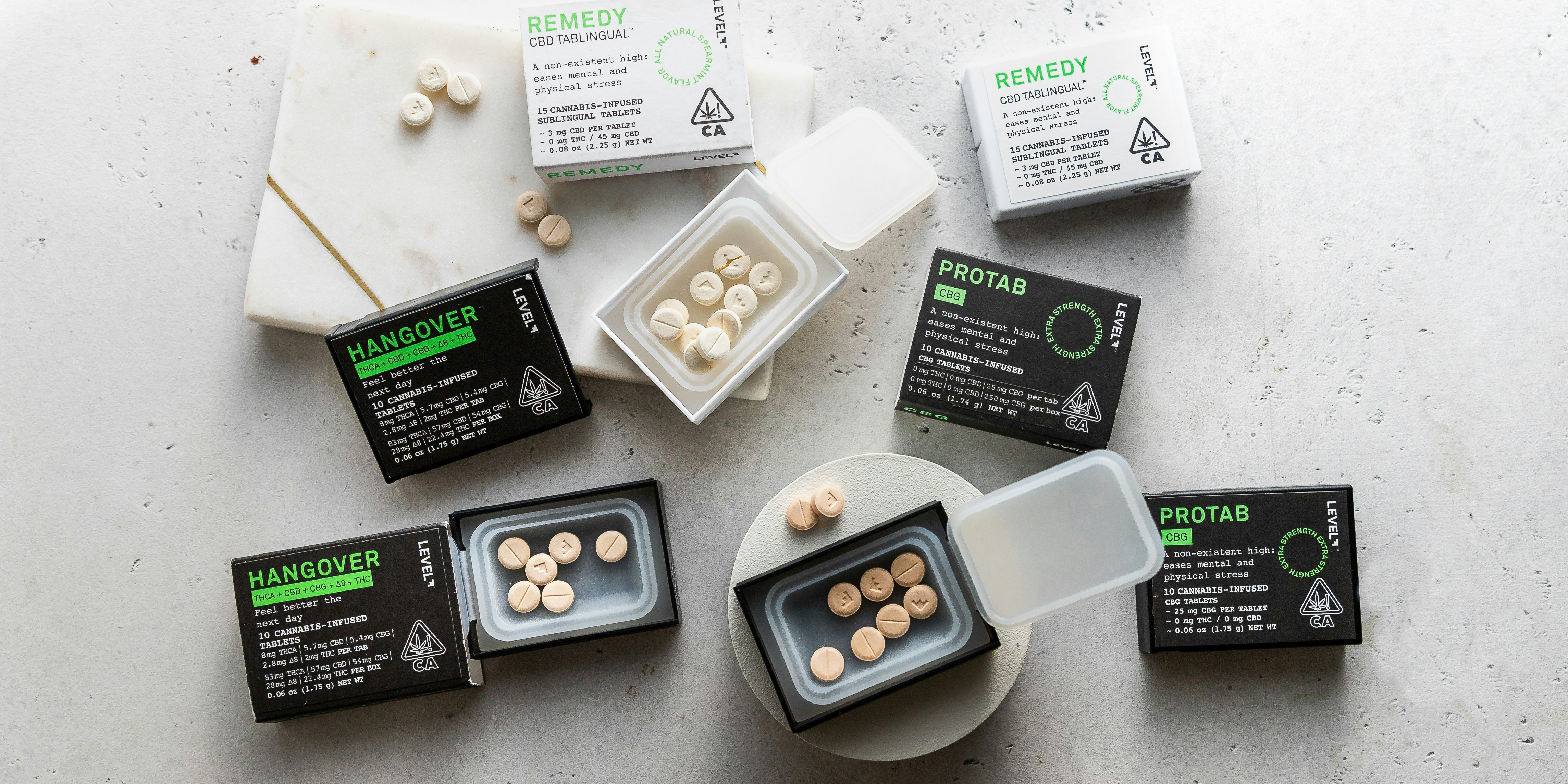
What THCA Is and How It Forms in the Plant
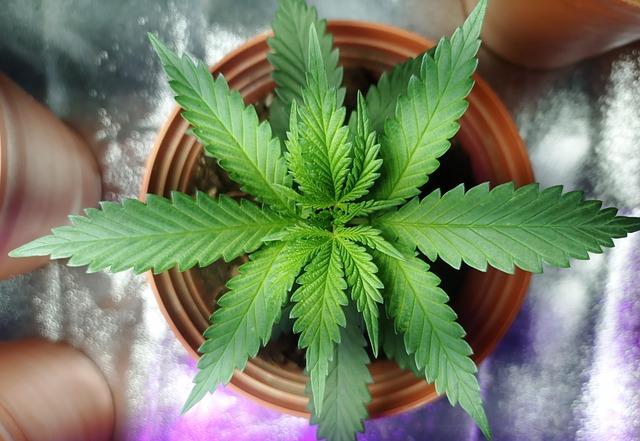
Raw cannabis plants are rich in a molecule called THCA, an acidic cannabinoid that sits quietly in resin glands without producing a high. Chemically, it carries an extra carboxyl group (-COOH) that prevents it from binding the brain’s CB1 receptors the way its converted cousin does.The plant concentrates this compound in tiny, glistening trichomes that coat flowers and nearby leaves – nature’s microscopic factories for flavor, aroma, and chemistry.
Inside those trichomes a short biochemical assembly line turns basic building blocks into THCA. An upstream compound known as CBGA is transformed by specific enzymes – most notably THCA synthase – into the acidic form. The efficiency and final amount depend on genetics and development,while the glandular structures control storage and release. Key influencers include:
- Genetics: plant variety determines enzyme expression.
- Maturity: trichome age and flower stage change yields.
- Surroundings: light, nutrients, and stress shift biosynthesis.
- Trichome density: more glands, more stored THCA.
When heat, light, or time strips away that carboxyl group, THCA becomes THC – the familiar psychoactive form. Fresh, uncured material remains THCA-dominant, which is why juices or raw preparations don’t intoxicate. A quick reference:
| Attribute | In-Plant (Acidic) | After Decarboxylation |
|---|---|---|
| Chemical state | Carboxylated (THCA) | Decarboxylated (THC) |
| Psychoactivity | Non-intoxicating | Intoxicating |
| location | Glandular trichomes | After heating or aging |

How to Read Lab Tests, Labels, and Product Potency Accurately
Start by treating every label and lab report like a miniature map: the most useful landmarks are the lab name, the sample or batch ID, the test date, and the cannabinoid breakdown. Look for a certificate of Analysis (COA) issued by an independent, accredited lab – that COA should list individual cannabinoids (for example, THCA and THC) and their units (usually % w/w or mg/g). Always check the sample date, the batch number, and whether the lab is third‑party; these clues tell you if the results actually match the product you hold.
Packaging frequently enough shortens complex chemistry into simple language, so learn to translate. Labels may advertise “THC” while the COA shows most of the cannabinoid as THCA – remember that THCA converts to THC when heated. A quick conversion: multiply THCA by 0.877 to estimate the THC you’ll get after decarboxylation. Example: 1 g of flower at 18% THCA yields about 157.9 mg active THC after conversion (18% × 1000 mg × 0.877 = 157.9 mg).
| Term | Meaning | Quick tip |
|---|---|---|
| THCA | Acid form; non‑psychoactive until heated | Look at COA for raw percentages |
| THC | Psychoactive form present as‑is | Use label serving size to calculate mg per dose |
| total THC | Reported as THC + (THCA × 0.877) | Trust COA conversions more than marketing copy |
learn to spot red flags and stability issues.If a COA lacks a batch number, omits contaminant screens (pesticides, solvents, heavy metals), or has a sample date older than the product’s manufactured date, treat the label with caution. Red flags:
- Missing COA or unverifiable lab
- Zero contaminant testing
- Ambiguous serving sizes or vague “total cannabinoids” claims
Store products properly and recheck potency if the product is old-cannabinoid levels change over time-so rely on current, complete lab data when making dosing decisions.

Practical Recommendations for Dosage, Storage, and Harm Reduction
Start low – go slow. Whether you’re working with raw THCA-rich flower or heat-activated THC products,begin with the smallest reasonable amount and wait to feel the effect before taking more. For inhaled THC, that might mean one or two small inhales and a 10-15 minute pause; for tinctures or edibles, try a microdose and wait at least 60-120 minutes. Treat raw THCA differently: it is largely non-intoxicating until heated, so dosing intent (therapeutic vs. recreational) changes how much you’d use.
Protect potency and safety in storage. Keep cannabis products in airtight, opaque containers in a cool, dry place.Avoid direct sunlight and fluctuating temperatures-heat converts THCA to THC and can change expected effects. Clearly label jars and edible packages with date, decarb status (raw vs. activated), estimated potency, and any allergens. If children or pets are present, use locked storage and child‑resistant containers.
practical harm‑reduction habits. Use single‑serving packaging for edibles,measure tinctures with a dropper marked in mg,and never mix cannabis with alcohol or other sedatives without understanding combined effects. When trying a new product, do so in a safe environment, with a sober friend if possible, and avoid driving or operating machinery until you know how it affects you. If you’re conserving supply, split doses or employ a diary to track how different forms (raw THCA, smoked THC, edible) effect you over time.
- Labeling tip: write “Raw (THCA)” or “Decarbed (THC)” on every container.
- Storage tip: cool, dark, airtight – ideal range ~15-20°C (59-68°F).
- Dosage tip: start at the low end and double only after sufficient wait time.
| Product | Starting dose | Quick note |
|---|---|---|
| Raw THCA (juicing) | Small handful | Non‑intoxicating; culinary use |
| Vape/Smoke (activated) | 1-2 small inhales | Feel within 10-20 min |
| Edible/Tincture | 1-5 mg THC | Wait 60-120 min before more |
future Outlook
You’ve now got the quick picture: THCA is the raw, non-intoxicating precursor found in the plant; THC is what THCA becomes after heat, and it’s the molecule responsible for the classic psychoactive effects. The practical takeaways – how you store, prepare, or consume cannabis, plus where you live and what kind of testing you might face – will determine which form matters most to you.Science is still filling in the finer details about THCA’s own effects, and laws and labels don’t always keep pace, so stay curious and cautious: read product labels, ask vendors specific questions, and consult a healthcare professional if you’re using cannabis for health reasons.
At the end of the day, the difference between THCA and THC is a matter of chemistry meeting context – a small switch (heat) with a big change in how the molecule behaves. Keep that switch in mind, and you’ll have a clear lens through which to view products, policies, and personal choices.

