


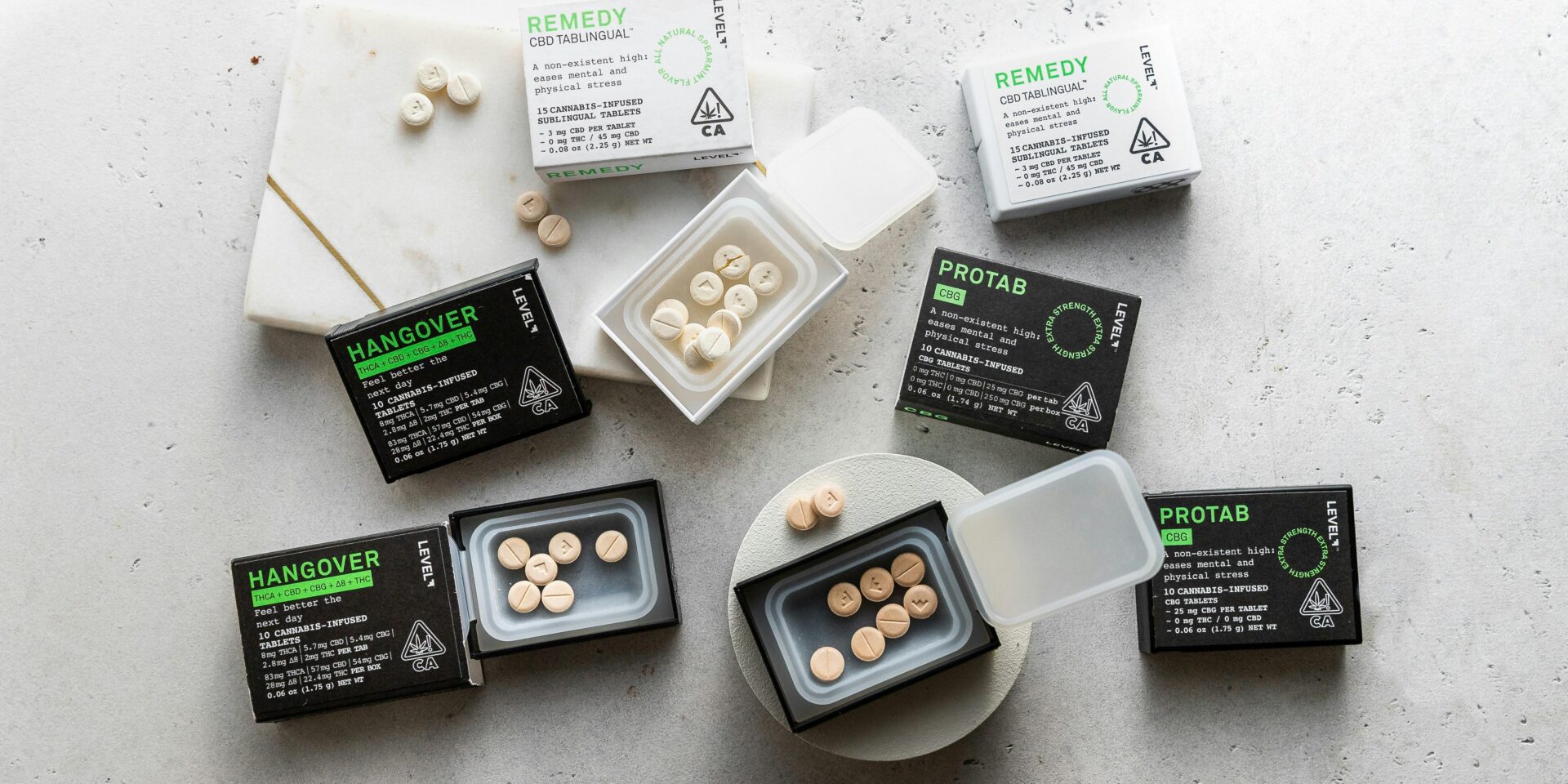
Imagine standing at a crossroads where science,law and commerce meet – a place where a tiny chemical change can redraw the lines between legal hemp and prohibited marijuana. In Arizona that crossroads has been busy lately: lawmakers and regulators have been updating rules that affect how THCA and THC are defined, tested and treated under the state’s hemp laws. For consumers, growers and retailers, those distinctions matter more than ever.
This article peels back the layers of that update. First we’ll clarify the chemical and legal differences between THCA (the plant’s natural, acidic precursor) and THC (the psychoactive compound that results after decarboxylation).Then we’ll explain how Arizona’s recent policy shifts address – or complicate – the boundary between compliant hemp products and regulated cannabis. we’ll outline practical implications for Arizonans who make, sell or use hemp-derived products.
Neutral and fact-focused, this guide is meant to translate technical terms and legal language into a clear picture of what the update means on the ground.
What THCA and THC Really Are and Why Arizona Law Treats Them Differently
THCA is the non-intoxicating, acidic precursor found in fresh cannabis plants. In its native form it won’t get you high-it’s a larger molecule with a carboxyl group attached. Apply heat, light, or time, and that carboxyl group is released in a process called decarboxylation, turning THCA into active Δ9‑THC, the compound regulators and consumers associate with psychoactive effects. As the two molecules behave so differently in the body and under testing conditions, lawmakers and labs treat them as distinct analytical and policy problems rather than interchangeable numbers on a certificate of analysis.
Regulatory frameworks in Arizona follow scientific distinctions when defining compliance thresholds. Authorities measure on a dry‑weight Δ9‑THC basis to determine whether a hemp plant or product falls within legal limits, while still requiring THCA reporting as of its potential to convert into Δ9‑THC. This split approach reflects three practical realities: the need to prevent unintentional intoxication, the realities of laboratory measurement and conversion math, and the marketplace pressure to label products honestly for consumer safety.
- Chemistry: one is an acid that decarboxylates, the other is the active form.
- Public safety: regulators prioritize what actually causes intoxication.
- Testing logistics: labs must decide whether to report measured Δ9‑THC alone or to include potential THC from THCA.
- Enforcement practicality: clear, repeatable metrics are easier to enforce than hypothetical conversions.
| Feature | THCA | Δ9‑THC |
|---|---|---|
| Psychoactivity | None until converted | Yes – intoxication risk |
| Form | Acidic, plant-native | Neutral, active |
| Regulatory focus | Monitored for conversion potential | Primary compliance metric |

Recent Arizona Hemp Rulings Explained and Their Immediate Impact on Producers and Consumers
Arizona’s recent court and administrative decisions have shifted how hemp-derived cannabinoids are measured, labeled, and enforced – and the effect was immediate. Regulators have signaled a tighter focus on how THCA converts to Delta‑9 THC during testing and transport, while enforcement agencies are increasingly demanding clear chain‑of‑custody documentation. For producers this means faster compliance timelines; for consumers it means a short-term bump in scrutiny at retail and online sales.
Key takeaways:
- Testing becomes central: Labs and producers must account for THCA-to-THC conversion in certificates of analysis (COAs).
- Inventory freezes: Shipments without airtight documentation are more likely to be held or returned.
- Labeling updates: Products may need clearer cannabinoid breakdowns to avoid enforcement risk.
| Who | Immediate action |
|---|---|
| Producers | Re-run coas, tighten harvest-to-lab chain of custody |
| Retailers | Hold unclear stock, verify lab reports before shelving |
| Consumers | Request recent COAs and favor clear brands |
In the immediate term, expect a flurry of compliance-focused activity: recalls or voluntary pulls, accelerated lab testing, and faster policy updates from brands. While these moves can be disruptive, they also create a cleaner market where COAs and traceability matter more than ever. producers who document every step and consumers who insist on visible testing will fare best during this transition period.

How Laboratories Measure THCA Versus THC and What to Look for in Certificates of Analysis
Laboratories distinguish THCA from THC the same way a botanist separates leaves from stems: by using the right tool for the job. Most reputable labs use HPLC (high-performance liquid chromatography) as it measures acidic cannabinoids like THCA without converting them into THC. By contrast, gas chromatography (GC) heats the sample and can artificially decarboxylate THCA into THC, inflating the reported THC level. Sample extraction, solvent choice and avoidance of heat are all crucial steps that determine whether a COA reflects the plant’s true cannabinoid profile or a post-processed snapshot.
When reading a certificate of analysis, look for clarity and traceability.Key items to check include:
- Analytical method: HPLC stated by name (not just “chromatography”).
- Separate reporting: THCA and THC listed as individual entries, plus a calculated total THC value.
- Conversion factor: a clear note that total THC = THC + (THCA × 0.877) or equivalent description.
- LOD/LOQ: limits of detection and quantitation-so you know how reliable low numbers are.
- Accreditation & chain-of-custody: ISO/IEC 17025 accreditation, sample ID, batch/lot number and test date.
| COA Field | Why It Matters |
|---|---|
| Method (HPLC) | Measures THCA separately without heat-induced conversion |
| Total THC | Shows legally relevant THC after THCA conversion (important for 0.3% limits) |
| LOD / LOQ | Reveals whether low THC readings are above the lab’s reliable threshold |
| ISO/IEC 17025 | indicates third-party validation of lab competence and procedures |
Practical rule of thumb: demand a COA that ties directly to the product’s lot number and shows an HPLC-based breakdown with the conversion factor noted. If a product’s total THC is hovering around 0.3%, ask for the raw chromatogram or an explanation of the LOQ-those details often reveal whether a borderline result is meaningful or lab-artifact noise. A clear, well-documented COA is the simplest way to convert legal uncertainty into informed confidence.
Looking Ahead to Regulatory Shifts and Clear recommendations for Staying Compliant in Arizona
Arizona’s cannabinoid landscape is poised for continued refinement as regulators reconcile state hemp programs with evolving federal guidance. Expect updates around testing protocols, the treatment of acidic cannabinoids like THCA, and clearer thresholds for total THC calculations. Agencies will likely prioritize enforceable standards that reduce ambiguity for growers, processors, and retailers-so anticipate more precise definitions and possibly expedited rulemaking in the coming sessions.
To navigate that shifting terrain, adopt proactive compliance habits now. Key practices include:
- Robust testing: Send representative samples to accredited labs and verify methods for delta‑9 THC and THCA quantification.
- accurate labeling: Display total THC calculations and full cannabinoid profiles clearly for consumers and inspectors.
- Chain of custody: Maintain timestamped documentation from harvest through sale to demonstrate product lineage.
- Policy monitoring: Subscribe to Arizona regulatory bulletins and federal notices to catch rule changes early.
Simple systems reduce risk. Implement a routine audit cadence, train staff on sampling and recordkeeping, and keep product batches traceable with QR-coded documentation. Below is a concise checklist you can adapt to daily operations:
| Action | Frequency | Priority |
|---|---|---|
| third‑party lab testing | Per batch | High |
| Label verification | Before release | High |
| Regulatory bulletin review | Weekly | Medium |
| Internal compliance audit | Quarterly | Medium |
when ambiguity remains, document your compliance rationale and consider legal counsel or industry consultants for one‑time policy interpretations. Staying vigilant and building adaptable procedures today will make it far easier to absorb tomorrow’s regulatory updates without disrupting business operations.
Closing Remarks
As Arizona’s hemp landscape continues to shift, the line between THCA and THC remains both scientifically clear and legally evolving: one is the plant’s raw precursor, the other its activated counterpart. Understanding that change – and how state rules treat each compound – turns a technical distinction into a practical one for consumers, growers and retailers alike.
stay curious and cautious. Look for lab reports, follow state guidance, and lean on qualified counsel or regulatory resources when decisions carry legal or business consequences.The story of hemp in Arizona is still unfolding, and the next amendment or clarification could reshape what’s on shelves tomorrow.
In the meantime, let this update be a map, not a verdict: use it to navigate, ask the right questions, and keep watching the horizon where science, law and commerce meet.

