


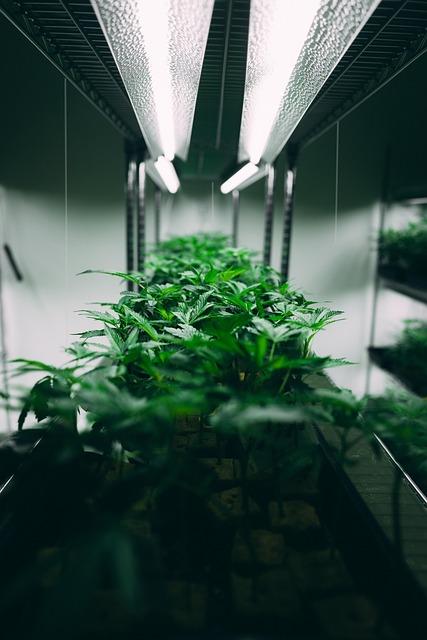
They share four letters and a lineage, but THCA and THC behave like different characters on the same stage.One is the raw, sleeping form found in fresh cannabis flowers; the other is the activated molecule long associated with cannabis’s familiar effects. That conversion – a chemical nudge known as decarboxylation – alters not only their structure but also how they interact with the body, and how researchers, clinicians, and consumers think about them.This article will peel back the biology and the buzz: what THCA is, how it differs from THC in chemistry and effect, and why interest in THCA has grown amid new products and evolving science. We’ll separate established facts from emerging hypotheses, look at how raw versus heated preparations change outcomes, and consider the practical and regulatory implications of a compound that is both kin and contrast to the molecule that made cannabis famous.
Whether you come seeking clear distinctions, scientific nuance, or a guide to the debates shaping policy and research, this exploration aims to illuminate THCA’s unique profile without hype – showing where evidence points, where questions remain, and what the differences between THCA and THC mean for users and researchers alike.
Understanding THCA and THC Chemistry and How Decarboxylation Alters Effects
At the molecular level the difference between THCA and THC can be summed up by one small but decisive appendage: a carboxyl group. That extra COOH on THCA makes the molecule larger, slightly more polar and poor at slipping into the brain’s CB1 receptor the way THC does. The result is that raw cannabis-rich in THCA-doesn’t produce the familiar “high,” but it does carry a distinct chemical personality and potential therapeutic profile that researchers are still unpacking.
The transformation into THC is a straightforward chemistry trick: apply heat, time, or UV light and the carboxyl group breaks off as carbon dioxide in a process called decarboxylation.This structural change alters not only psychoactivity but volatility, aroma and how the compound is metabolized. In practical terms,decarboxylation is why smoking,vaping or baking cannabis converts an inert acid into a mind-altering molecule,shifting effects from subtle and ofen anti-inflammatory to psychoactive and fast-acting.
- Binding behavior: THCA has low CB1 affinity; THC binds strongly.
- Stability: THCA is less volatile but degrades into THC with heat/light.
- Effects: THCA is linked to non-intoxicating benefits; THC produces euphoria and altered perception.
- Use cases: THCA is common in tinctures and raw products; THC is prominent in smoked/edible preparations.
| Property | THCA | THC |
|---|---|---|
| Formula | C22H30O4 | C21H30O2 |
| Molar mass | ~358.48 g·mol⁻¹ | ~314.47 g·mol⁻¹ |
| Psychoactive? | No (generally) | Yes |

Safety Profiles, Side Effects and Legal Considerations When Choosing Between THCA and THC
Safety profiles between these two cannabinoids read like a spectrum rather than a binary choice. THCA, found predominantly in raw cannabis, is largely described as non-intoxicating untill it is heated and becomes THC. That difference matters: the act of decarboxylation changes not only subjective experience but also pharmacology. Scientific literature on THCA is still thin compared with THC, so claims about long-term safety are provisional – we certainly know more about dose-related effects and interactions for THC than for THCA.
Side effects also diverge in tone and frequency. THC more reliably produces acute psychoactive effects – from mild euphoria to anxiety or short-term memory fog – and physiological responses like dry mouth and increased heart rate. THCA is commonly reported to produce far subtler sensations, but users occasionally note gastrointestinal or mild headache complaints. High doses or contaminant-laden extracts can amplify adverse effects for either compound. Commonly reported effects include:
- THC: euphoria, anxiety, sedation, dry mouth, tachycardia.
- THCA: minimal psychoactivity, occasional nausea or headache (anecdotal).
- Shared risks: impurities, dosing errors, and interactions with prescription medications.
Legal frameworks add another layer: some places regulate THCA under the same rules as THC becuase it converts to the intoxicant when heated,while others treat raw plant material differently. Below is a simple, creative snapshot – not legal advice – showing how jurisdictions may treat each compound:
| Compound | Typical Legal Lens | Common Restriction |
|---|---|---|
| THC (Δ9) | Controlled/regulated | Age limits, possession caps |
| THCA | Variable-sometimes-equated to THC | Regulated if convertible or present in psychoactive products |
| Hemp-derived (low Δ9) | Often legal federally where Δ9 ≤ 0.3% | Testing,labeling,interstate rules |
if you’re weighing a choice,focus on four checkpoints: desired effect (do you want psychoactivity?),consumption method (raw vs heated),local legality,and drug-test risk. Prioritize lab-tested products from transparent suppliers and remember that limited data means staying conservative with dosing and mindful about interactions with other medications.
In Summary
As our journey through the subtle chemistry and lived effects of THCA versus THC draws to a close, the picture that emerges is less about absolutes and more about nuance. THCA arrives at the table as the plant’s quieter sibling – chemically distinct, non-intoxicating in its raw form, and carrying potential benefits and applications that researchers are only beginning to map. THC, by contrast, is the transformed, psychoactive presence that commands attention when heat and time convert THCA into a very different experience.
If there’s a single takeaway, it’s that context matters: the molecule, the method of consumption, individual biology, and legal frameworks all shape how these compounds behave in the world. For curious readers, that means staying informed as science advances, paying close attention to product labeling and local laws, and discussing options with qualified health professionals when considering therapeutic use. Thoughtful curiosity – not haste – will serve best when exploring the evolving frontier between THCA and THC.

