


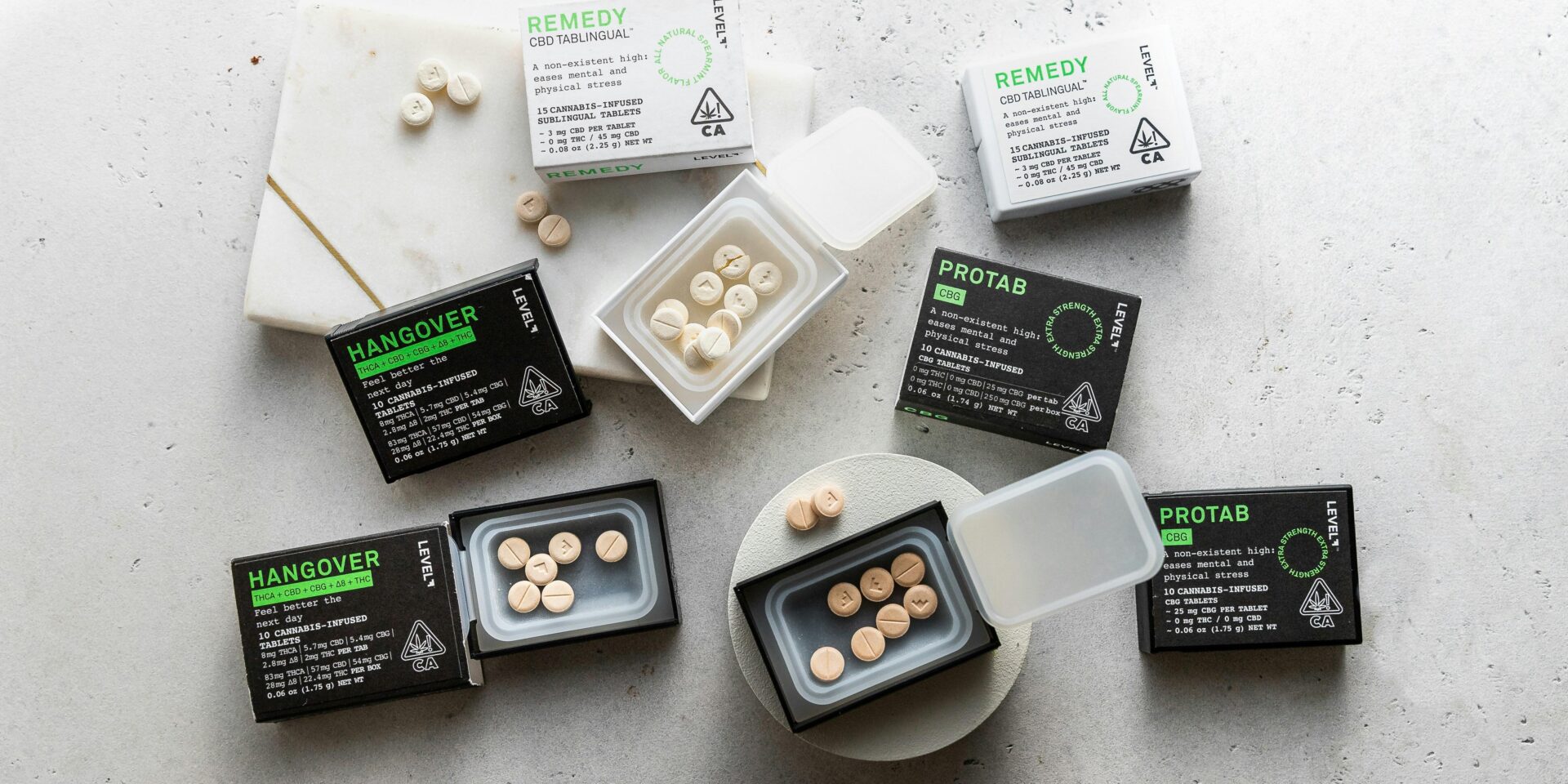
Imagine navigating a market where a single chemical tilt can make the difference between a compliant hemp product and one that’s suddenly illegal to sell. For online retailers, that landscape is real – and it’s dominated by two letters: THCA and THC. At first glance they sound similar, but their legal and commercial consequences are not.
This guide teases apart the science and the statutes so e‑commerce sellers can see what matters. You’ll get a clear, neutral look at what THCA is, how it becomes THC, and why regulators and couriers often treat them differently. more importantly for online stores, we’ll translate those distinctions into practical checkpoints: testing and lab reports, labeling and product claims, platform policies, interstate shipping, and how to minimize legal and financial risk.
Whether you’re launching a hemp line or refining yoru product pages, the goal here is simple: give you a workable map of the legal terrain so you can sell responsibly and confidently. Laws and interpretations vary by jurisdiction, so consider this a practical primer – not a substitute for local legal advice – as you build or scale your online hemp business.
Decoding THCA and THC: Molecular Behavior, Psychoactivity Risk, and Lab Testing Implications
On the molecular level, the difference between the acid form and the neutral form is a single lost carboxyl group – but that tiny change reshuffles effects and legal standing. THCA (tetrahydrocannabinolic acid) is the plant-native,non-psychoactive precursor; when exposed to heat,light,or prolonged storage it undergoes decarboxylation and becomes Δ9‑THC,the compound responsible for intoxication. Temperature, pH, and even solvent chemistry during extraction all influence the speed and completeness of this conversion, so what starts in a cold plant jar can become a different legal and pharmacological product after processing.
For consumers and merchants the psychoactivity risk is practical, not theoretical. Raw hemp flower, tinctures that avoid heating, and properly tested isolates can remain essentially non-intoxicating, but once products are heated (vaping, baking, or some extraction methods) the risk increases. online stores must thus consider how product form-flower, vape cartridges, edibles, or concentrates-changes the odds that THCA will turn into Δ9‑THC during normal use, and label or advise accordingly. Clear warnings, handling guidance, and accurate product descriptions reduce both safety hazards and regulatory exposure.
Laboratory methodology dictates how that chemical story is read on a certificate of analysis. High-performance liquid chromatography (HPLC) measures acidic and neutral cannabinoids without inducing decarboxylation,while gas chromatography (GC) typically converts THCA to THC during analysis unless specific precautions are taken. As regulators frequently enough limit the sum of intoxicating potential, many reports present “Total THC” calculated as Δ9‑THC + 0.877 × THCA (the 0.877 factor corrects for the mass lost during decarboxylation). Reliable compliance depends on accredited labs, proper sample prep, and transparent reporting of both measured species and calculation methods.
- Storefront checklist: insist on HPLC-based COAs, request separate THCA and Δ9‑THC values, and verify the lab’s accreditation.
- Product advice: flag products where consumer use (heating/vaping) will likely transform THCA into psychoactive THC.
- Quality control: require batch testing after processing steps that involve heat, solvents, or extended aging.
| Compound | Psychoactive? | Detected By | Conversion Factor |
|---|---|---|---|
| THCA | No (raw) | HPLC | 0.877 → THC |
| Δ9‑THC | Yes | HPLC / GC* | Measured directly |

Essential Testing Protocols, Sample Handling Best Practices, and Certificates of Analysis You Should Require From Suppliers
Reliable laboratory work begins with robust analytical protocols. Always insist on testing performed by an ISO/IEC 17025-accredited lab using validated chromatographic methods (typically HPLC-DAD or HPLC-MS/MS for cannabinoids to avoid THCA decarboxylation artifacts).reports should show method validation metrics - linearity, accuracy, precision, and clear LOD/LOQ values – so you can judge whether a low THC result is meaningful. For potency, require separate reporting of delta-9 THC and THCA, plus a calculated Total THC using the standard conversion factor (THC + 0.877 × THCA) so legal compliance is verifiable under most jurisdictions.
Sample integrity is as crucial as the assay. Implement a strict chain-of-custody that documents sampling time, handler, and storage conditions. Best practices include:
- Representative sampling: pull multiple subsamples from a lot before homogenizing or blending.
- Proper containers: amber glass or inert plastic to avoid adsorption and light exposure.
- temperature control: chilled transport for flower and extracts; frozen when long delays are expected.
- Duplicates and blanks: request field duplicates and lab blanks to detect handling errors or contamination.
When evaluating Certificates of Analysis, look beyond the headline numbers. A complete COA will include lab accreditation, sample ID and lot number, harvest/production dates, analytical methods used, LOD/LOQ, and signatures or digital verification. It should list a full cannabinoid profile (THC, THCA, CBD, etc.), a contaminants panel (pesticides, heavy metals, microbes, residual solvents), and pass/fail status against your acceptance criteria. Request batch-specific COAs – not generic product sheets – and consider requiring periodic stability testing if you sell products with long shelf lives.
Use this rapid reference to standardize supplier requirements:
| Test | Why it matters | Typical Acceptance |
|---|---|---|
| Delta‑9 THC | Legal threshold | <0.3% (or local limit) |
| THCA | Precursor that converts to THC | Reported separately |
| Total THC | Compliance metric | Calculated (THC + 0.877×THCA) |
| Pesticides & Microbials | Consumer safety | ND or below action levels |
| Residual Solvents | Purity for extracts | Below pharmacopeial limits |

Shipping Rules, Marketplace Policies, and Risk Management Strategies for selling THCA Online
Selling hemp-derived products with significant THCA content online requires a compliance-first mindset: laws and platform rules change faster than product SKUs. Treat the federal 0.3% Δ9-THC (dry weight) benchmark as a baseline only – many states and marketplaces apply stricter limits or interpret THCA differently because it can decarboxylate into Δ9-THC. Build policies that assume the most conservative interpretation, then document why a product is compliant with clear lab reports, batch tracing, and traceable supply chains.
Practical shipping and marketplace safeguards:
- Require a current Certificate of Analysis (COA) on every shipment and include batch IDs in shipping manifests.
- Use age-gating and signature-on-delivery for adult buyers where required – automate verification at checkout.
- Follow carrier rules strictly: carriers frequently enough allow hemp only when COAs and product descriptions align with their policies.
- Label discreetly but accurately: avoid therapeutic claims,list cannabinoid content,and include storage warnings to reduce decarboxylation risk.
carrier policies can make or break a fulfillment plan; here’s a quick snapshot to guide decisions:
| Carrier | Hemp Allowed? | Typical Constraint |
|---|---|---|
| USPS | Yes | permitted with COA showing ≤0.3% Δ9-THC |
| FedEx | Case-by-case | strongly enforces product descriptions and state laws |
| UPS | Restricted | may refuse packages lacking clear compliance docs |
| DHL / Intl | Limited | Many countries ban import – require customs pre-checks |
Mitigating risk is an operational discipline: invest in frequent third-party testing (including post-decarboxylation simulations), retain legal counsel for jurisdictional reviews, and carry product liability and shipping insurance.Keep a documented recall plan and conduct regular marketplace audits – platforms like Amazon,eBay,and niche marketplaces have unique prohibitions and can delist listings without notice.make conservative marketing choices: accurate, non-medicinal language plus transparent COAs reduce disputes, protect reputation, and keep your store on the right side of both law and platform policy.
Concluding Remarks
As the hemp market grows more complex,the line between THCA and THC matters not only to chemists and consumers but to the bottom line of every online store. THCA’s inert presence on the plant and its conversion to psychoactive THC through heat are facts that change how products are tested, labeled, marketed and shipped. Regulatory thresholds, platform policies and state or international rules can shift the compliance landscape overnight – so knowledge, documentation and vigilance are your best inventory.
Practical steps keep risk manageable: use reliable lab testing and keep certificates of Analysis on file and accessible; describe products and expected effects clearly for customers; build shipping rules that reflect regional restrictions; and create internal protocols for age verification, record-keeping and product recalls. Pair these operational controls with plain-language education for shoppers so you reduce confusion and protect reputation.This guide aimed to map the legal contours relevant to online hemp sellers, but it isn’t a substitute for professional advice.Laws vary by jurisdiction and evolve rapidly – consult regulatory counsel and your testing labs before launching new products or entering new markets.
In short: treat THCA and THC as two sides of the same compliance coin-understand the science, document the chain of custody, and stay alert to legal change. With care and good information, your store can serve customers responsibly while navigating the green maze of hemp law.

