


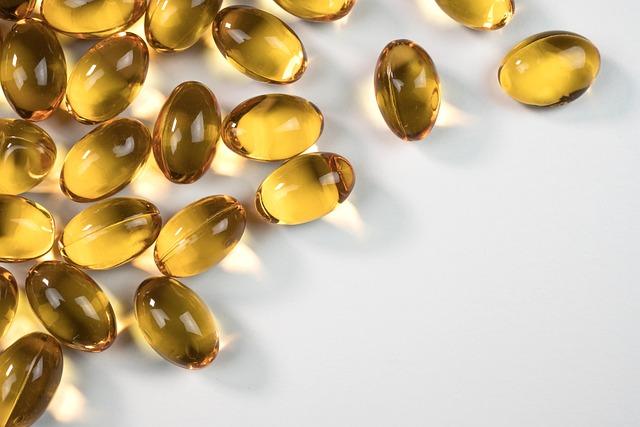
A pale green crystal at the edge of a conversation about cannabis, THCA is drawing attention not because it promises a fast high but because it insists on somthing quieter: potential wellness. As the wellness industry broadens its palette beyond familiar cannabinoids, tetrahydrocannabinolic acid (THCA) has surfaced in tinctures, capsules, and topical blends – frequently enough accompanied by claims, curiosity, and a fair share of confusion.
This article offers an informative overview of THCA wellness supplements, separating chemistry from conjecture. we’ll map where THCA fits in the cannabinoid family, explain how it differs from THC, and summarize what current science – cautious and incomplete – is actually able to say. Along the way we’ll outline common product types, highlight safety and legal considerations, and suggest the practical questions consumers should ask before trying THCA supplements.
If you’re curious about weather THCA belongs in your wellness toolkit or just want a clear, balanced primer on the topic, read on. This piece won’t tell you that THCA is a miracle cure,nor will it dismiss the compound outright – instead it aims to leave you better informed and better equipped to evaluate the claims and choices you encounter.
Therapeutic Potential and Evidence: What Studies Reveal About Benefits and Limitations
early research paints THCA as a molecule of promise rather than a proven therapy. Laboratory and animal studies frequently highlight anti-inflammatory and neuroprotective pathways,and some small observational reports and consumer surveys suggest symptom relief in areas like nausea and joint discomfort. However, most of the positive signals come from preclinical models or anecdotal use; rigorous randomized clinical trials in humans are still sparse.That gap means translating laboratory effects into reliable, standardized health outcomes remains an open scientific challenge.
Reported benefits (emerging, not definitive):
- anti-inflammatory potential – may modulate immune signaling in models of inflammation.
- Neuroprotection – early data indicate possible protective effects on neural tissue under stress.
- Antiemetic and appetite support – anecdotal and limited observational data suggest relief for nausea-related complaints.
- Pain modulation – some users and preclinical studies report reduced pain sensitivity, though findings vary.
| Benefit | Evidence Level | Quick Note |
|---|---|---|
| Inflammation | Preclinical / Limited Human | Promising lab data; few clinical trials |
| Neuroprotection | Preclinical | Mechanistic studies only so far |
| Nausea/Appetite | Anecdotal / Observational | Some user reports; controlled data lacking |
Vital limitations to weigh before considering THCA products:
- Limited human trials – few high-quality randomized studies exist to confirm benefits or optimal dosing.
- Product variability – formulations, potency, and purity differ between manufacturers, affecting consistency.
- Decarboxylation risk – heating can convert THCA to THC, altering effects and legal status.
- Unknown interactions – potential interactions with medications are under-researched.
In short,THCA holds engaging therapeutic hypotheses supported by early science,but its clinical utility remains to be established. Consumers and clinicians should balance curiosity with caution, prioritize reputable testing and labeling, and follow evolving research as more controlled human data become available.

Selecting a Quality THCA supplement: lab Testing,Potency Transparency,and Manufacturer Red Flags
Reliable products start with transparent testing. Look for third-party lab testing and an accessible Certificate of Analysis (COA)
potency transparency matters more than buzzwords.labels should state both the THCA content and any Δ9‑THC levels, expressed as mg per serving and percentage by weight, with clear serving-size guidance.Beware of calculations that obscure whether potency reflects raw THCA or the potential THC after decarboxylation – trustworthy manufacturers explain both. Below is a quick reference to help decode common label elements. Be alert for manufacturer red flags that suggest you should pause. Common warning signs include: Start low, go slow is the guiding principle for THCA use-especially because people metabolize cannabinoid acids differently and product potency varies. Choose a delivery form that matches your aim: tinctures give faster, more tunable effects; capsules offer convenience and consistent dosing; topicals concentrate relief at a site without systemic exposure. Keep in mind that raw THCA is not psychoactive like THC, but conversion can occur with heat, so ingestion method and preparation matter for both effect and legality. Below are practical, conservative ranges many users find helpful as a starting point. These are not prescriptive medical directives but pragmatic baselines you can adapt and monitor. Certain populations require extra care: older adults may prefer slower titration and lower starting doses due to interactions and sensitivity; athletes can use short courses or topicals for localized recovery; children and pregnant or nursing people should avoid routine use unless a qualified clinician recommends otherwise. Always track dose, timing, and effects in a simple log so you can fine-tune what works. When taking other medications, especially those metabolized by the liver, consult a healthcare provider before adding THCA to your regimen. As the pages close on this overview, THCA wellness supplements remain a field of promising complexity rather than simple answers. They sit at the intersection of chemistry, regulation and personal choice: a molecule that behaves differently on the shelf than it does when heated, a market that’s still maturing, and a body of evidence that is growing but not yet definitive. If you’re curious about trying THCA, approach it like any emerging tool-read labels and lab reports, pick reputable brands, be mindful of the law where you live, and talk with a healthcare professional about how it might fit with your health needs and medications. Keep an eye on new research and evolving standards; today’s caution and curiosity will yield tomorrow’s clearer picture.In short, THCA supplements are worth watching, and worth careful consideration.Stay informed, stay cautious, and let reliable evidence guide your choices.
label element
Why it matters
THCA (mg/serving)
Shows raw cannabinoid dose before heating
Δ9‑THC (%)
Indicates current psychoactive level and legal compliance
COA batch link
Confirms tests apply to your specific product

Practical Dosing and Use Recommendations Tailored to goals and Different Populations
goal
Typical Starting Dose
Frequency
Everyday well-being
1-5 mg
Once daily
Sleep aid
5-15 mg
Nightly
Topical relief
Apply to area
Every 4-6 hrs
In retrospect

