


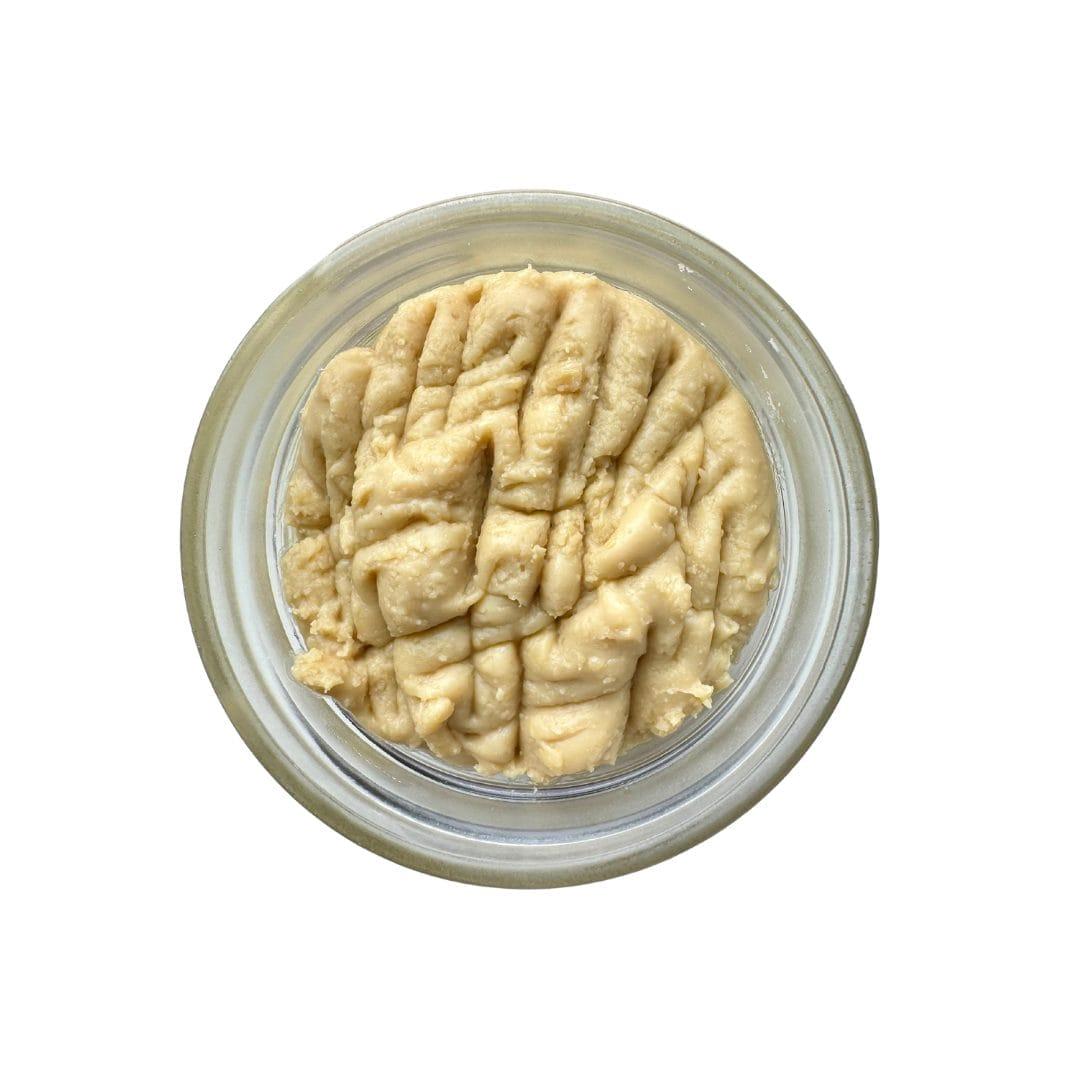
Like taking the market’s pulse, wholesale per-pound pricing of THCa reveals the heartbeat of a fast-shifting cannabis supply chain. Raw and potent in its acidic form, THCa (tetrahydrocannabinolic acid) sits at the intersection of cultivation, processing and retail strategies-its per-pound cost influences everything from extraction economics to product shelf pricing.Tracking those dollars and cents across regions and seasons gives a clearer picture of where the industry is heading.This article takes a measured sweep through recent pricing movements and the consumer trends that ripple back to the wholesale level. We’ll examine what’s driving per-pound fluctuations-crop yields, extraction capacity, regulatory change, and product demand-compare regional spreads, and highlight where quality and supply dynamics are altering buyer behavior. Rather than hype, the aim is to present a data-informed snapshot that helps cultivators, processors, retailers and analysts weigh opportunities and risks.
Expect concise charts of recent price ranges, plain-language explanations of market drivers, and a look at emerging consumer preferences that are reshaping demand for THCa-based inputs. Whether you’re hedging supply, evaluating partnerships, or simply tracking the market, this pulse is intended to provide a steady, neutral guide through the current wholesale landscape.
Quality Tiers and Lab Assurance Strategies to Protect Margins
Segmenting inventory into clear quality bands lets wholesale buyers and sellers price more precisely and insulate margins against variability. Think of three practical tracks: Craft (small-batch, consistent THCa profiles and premium pricing), Commercial (stable yields with routine lab confirmation), and Commodity (high-volume, price-sensitive lots where tighter margin controls are essential). When each pound is tagged by tier and accompanied by a clear testing history, negotiations become less about surprises and more about predictable cost modeling.
Laboratory assurance is the bridge between perceived quality and protected margins. Implementing a layered strategy reduces write-offs and preserves buyer confidence. Core tactics include:
- Pre-harvest screens – quick checks to flag potential contaminants before processing.
- Batch-level COAs - issuing Certificates of Analysis per lot to eliminate ambiguity at sale.
- Third-party validation – rotating accredited labs to avoid systemic bias and improve credibility.
- holdback policies – retaining a small reserve from payout until final compliance results return.
- Traceability tags - simple QR-linked histories that speed dispute resolution and reduce chargebacks.
| Tier | Typical $/lb | Lab Fail rate* | Recommended margin Buffer |
|---|---|---|---|
| Craft | $2,800-$4,200 | 1-2% | 5-8% |
| Commercial | $1,400-$2,200 | 3-6% | 8-12% |
| Commodity | $600-$1,200 | 7-15% | 12-20% |
| *Estimates-actual rates vary by region, crop cycle, and lab protocols. | |||
Adopting tiered pricing with disciplined lab assurance turns variability into a managed cost rather than an unexpected loss. The most resilient wholesalers couple conservative margin buffers with obvious COAs and holdback rules-creating a commercial rythm that protects profits while keeping buyers confident.
Consumer Trends Translating Demand shifts into Price Pressure
Retail buying patterns are quietly rewriting the rules of the wholesale market. As more consumers prioritize potency, purity and novel consumption methods, dollar-per-pound math no longer moves in a straight line – it curves around niche demand pockets and seasonal spikes. The net effect is a bifurcated market: top-shelf THCa fetches premium bids, while bulk, lower-grade lots face deeper markdowns as retailers rationalize SKUs and shelf space.
Several behavioral shifts are driving that pressure. Sellers who can align with the new expectations-clean extraction profiles, consistent potency labels, and small-batch consistency-maintain margins. Conversely, oversupply at the middle of the market compresses prices quickly as buyers can substitute across brands and categories. That dynamic turns ordinary inventory into a lever that moves price downward until quality or branding differentiates it again.
- Premiumization: Concentrates & boutique runs push high-grade per-pound pricing upward.
- Microdosing & low-THC alternatives: creates demand for tailored profiles, fragmenting volume purchases.
- Seasonal and event-driven surges: Short-term demand spikes tighten availability and lift spot prices.
- Commoditization of mid-tier product: Drives aggressive promotions, forcing per-pound discounts.
| Demand Driver | Price Impact | Why It Matters |
|---|---|---|
| Craft concentrates | ↑ Premium per-lb | Brand differentiation and limited runs |
| Bulk commodity lots | ↓ Margin compression | High substitutability among buyers |
| Regulatory opening | ↑ Volatile spikes | New markets absorb premium supply fast |
Traders and packagers who anticipate these shifts win by matching production to buyer archetypes: premium buyers expect consistency and will pay for it, while volume buyers hunt for the lowest per-pound cost. Short-term price pressure will ebb and flow with consumer curiosity and regulatory news, but the lasting trend is clear-quality segmentation and flexible inventory strategies will determine who captures the next uplift in per-pound THCa pricing.
To Conclude
As the per-pound numbers continue to tick like a steady market heartbeat, the THCa wholesale landscape is proving equal parts predictable and surprising. Prices swing with supply cycles, cultivation advances and shifting regulations, while consumer preferences quietly steer the market toward cleaner, more transparent products. For anyone watching this space, those are not just headlines – thay are signals.
For buyers and sellers alike, the takeaway is straightforward: monitor the data, but don’t ignore the nuance. Cost remains a core driver, yet quality assurances, lab testing and brand trust increasingly tip purchase decisions. Balancing price discipline with product integrity will separate short-term wins from enduring partnerships.
Regulatory shifts and innovation will keep the pulse lively. Staying compliant, diversifying sources and investing in reliable testing and traceability are practical safeguards against sudden swings. Meanwhile, marketers and product developers should listen to the evolving tastes of consumers – clarity, consistency and safety are rising in importance alongside cost considerations.
Ultimately, the THCa per-pound pulse is less a single story than an ongoing rhythm of change. Read the patterns, plan for variability, and remain nimble: the market will continue to reveal its next beat to those who are paying attention.
