


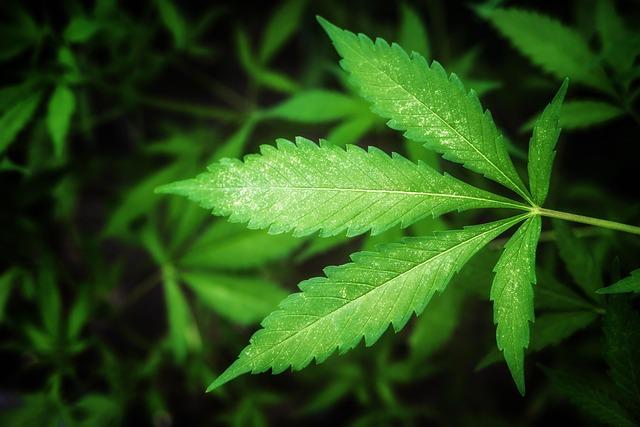
In the tangled atlas of cannabis regulation, a handful of letters – THC and THCA – and a single calculation called the “Total THC” rule can change a crop, a product or a prosecution. What looks like a low-THC hemp sample on paper can become a different legal creature once laboratories count the acidic precursor THCA as potential delta‑9 THC, and regulators apply a conversion factor to reflect how THCA decarboxylates into intoxicating THC when heated. That arithmetic, and the way different jurisdictions measure and enforce it, determines whether farmers remain in compliance, manufacturers can ship products, and consumers understand what’s in their jar.
This guide untangles the chemistry from the legalese: what THCA is, why regulators include it in “Total THC,” how testing and thresholds work, and were rules diverge. neutral and practical, it’s meant to map the critical issues so you can read the law with a clearer compass – and know when to consult a regulator or attorney for the specifics that matter to your situation.
State and Federal Compliance: Interpreting Total THC Thresholds and Lab Certification Expectations
When regulators speak of a product being above or below the legal line, they’re almost always referring to a calculated figure called Total THC. That number isn’t just the measured delta‑9 tetrahydrocannabinol (Δ9‑THC) – it also includes the potential Δ9 yielded by acidic precursors like THCA. Laboratories use a conversion factor (commonly 0.877) to account for decarboxylation: Total THC = Δ9‑THC + (0.877 × THCA).As of this chemistry, two samples with the same measured Δ9 can fall on opposite sides of the law depending on their THCA content and the reporting method used.
Regulatory compliance hinges on rigorous lab practices and transparent reporting. Accredited testing facilities are expected to demonstrate traceability, validated methods, and clear limits of detection/quantitation. Key lab expectations commonly demanded by oversight bodies include:
- ISO/IEC 17025 accreditation or equivalent third‑party recognition
- Documented method validation and regular proficiency testing
- Clear reporting of Δ9‑THC, THCA, Total THC, and LOD/LOQ
- Chain of custody and sample handling protocols to prevent post‑collection conversion
state rules often mirror federal guidance but can diverge in subtle-and meaningful-ways. While the federal benchmark has been interpreted around a 0.3% Δ9‑THC threshold (accounting for THCA conversion), some states apply different thresholds, use wet versus dry weight calculations, allow batch averaging, or enforce testing methods that alter reported values. Manufacturers and retailers must therefore treat testing outcomes as both a scientific measurement and a regulatory document: one mischaracterized result can change a product’s marketability overnight.
Below is a compact example of typical lab report fields you should expect when assessing compliance:
| Field | Typical Value |
|---|---|
| Δ9‑THC | 0.10% (dry weight) |
| THCA | 0.25% |
| Total THC (calculated) | 0.32% |
| Accreditation | ISO/IEC 17025 |
to sum up
As the dust settles on the technical definitions and regulatory language, the big picture is simple: jurisdictions that regulate cannabinoid products are increasingly measuring not just the delta‑9 THC you feel, but the THCA that can become delta‑9 when heated. The “total THC” rule folds those chemical realities into one measurable number so consumers, producers, and regulators share the same yardstick.
That shared yardstick, however, does not replace local laws, testing methods, or common sense. read certificates of analysis, know your supply chain, and remember that decarboxylation changes chemistry as well as compliance. If you make, sell, or use cannabinoid products, treat the total‑THC calculation as a compass – useful for navigation but not a substitute for checking the map and local rules.
Stay curious and cautious: the science, standards, and statutes around THCA and total THC continue to evolve. Keep informed, consult reliable lab reports or legal counsel when in doubt, and you’ll be better positioned to move through this complex landscape with clarity and confidence.

