


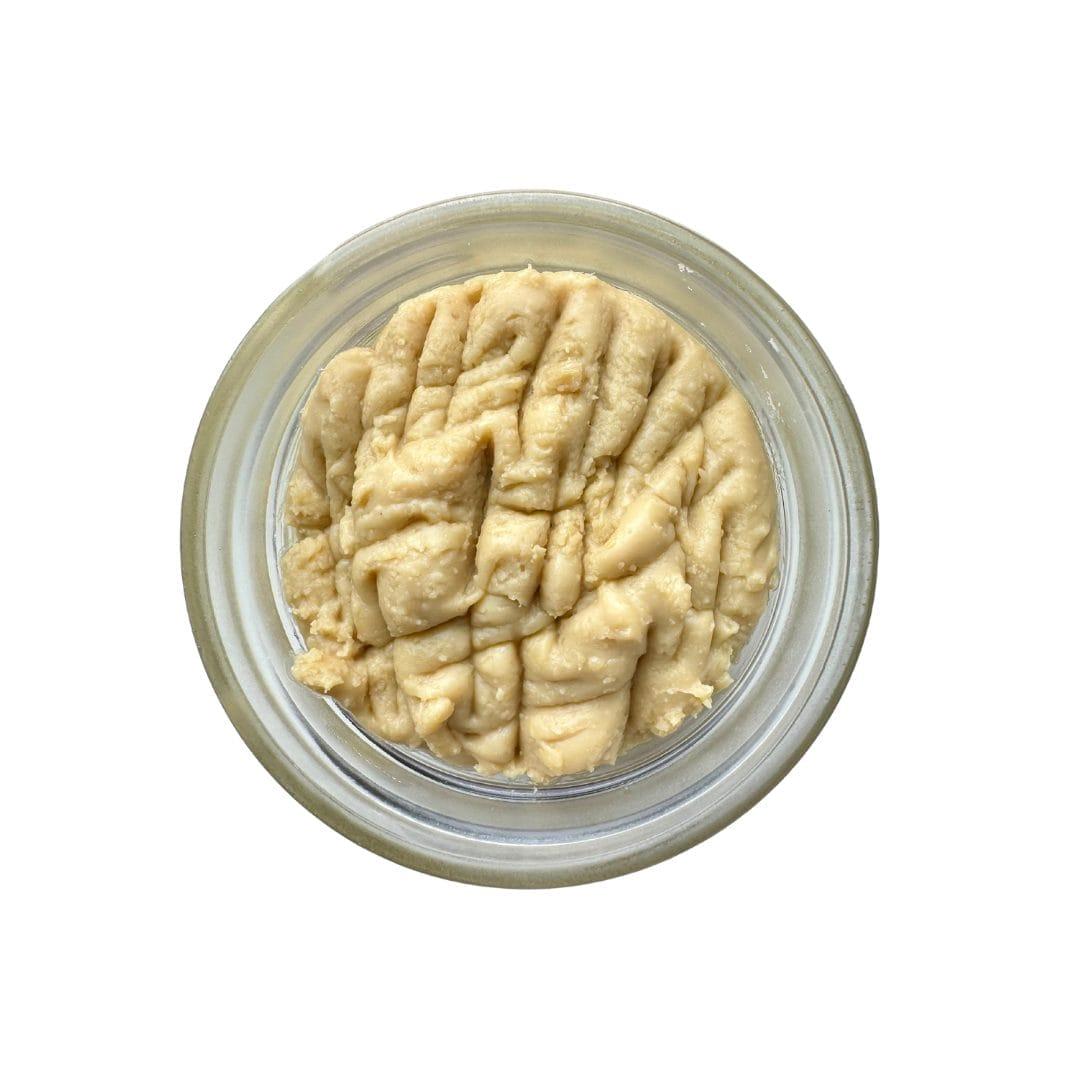
In 2024 the U.S. THCA market feels less like a single industry and more like a coastline under shifting tides – expanding in some coves, retreating in others, all while regulators, retailers and consumers test the shoreline. THCA (tetrahydrocannabinolic acid), the non-intoxicating precursor to THC, has moved from niche curiosity into a broader commercial conversation, driven by product innovation, evolving laws, and changing consumer tastes.
This article takes a measured look at the market size of U.S.THCA in 2024 and the forces shaping its near-term trajectory. We’ll synthesize available data to present a snapshot of current scale, unpack the regulatory and supply-chain dynamics that amplify risk or prospect, and identify the product, retail and demographic trends influencing demand. the piece offers a forward-looking outlook – highlighting scenarios that could expand or constrain growth and what stakeholders should watch next.
whether you’re an investor sizing opportunity, a policymaker tracking public health and legal implications, or an industry participant planning strategy, this overview aims to clarify where the THCA market stands today and where it may head tomorrow.
Regional Demand Patterns and Consumer Segment Insights
The U.S. market for THCA is evolving unevenly – coastal metros are pushing premiumization while interior regions trade on value and convenience. California, colorado and parts of the Northeast continue to show higher per-capita spending on curated, high-potency THCA products and craft formulations, driven by mature retail networks and a strong culture of experimentation. In contrast, the Southeast and many Midwestern states register slower adoption, where patchwork regulations and fewer retail points keep innovation and prices more constrained.
Regulatory clarity and local retail density are the twin levers shaping short-term demand. Where licensing is broad and storefronts proliferate, consumers move rapidly from one format to another (flower to concentrates to infused edibles), creating diverse shelf demand. Markets with strict limits or limited product categories tend to concentrate sales in a few accessible formats and price tiers, which in turn attracts more price-sensitive shoppers and drives promotional cycles.
Consumer profiles are becoming more distinct as the category matures. Key segments include:
- Wellness Seekers – prioritize low-dose, entourage-focused formulations and clear lab transparency.
- Enthusiasts – chase potency, novel extraction methods, and limited-release strains or concentrates.
- Casual Users – favor convenience formats like pre-rolls and vape cartridges and respond strongly to promotions.
- Medical/Hybrid consumers – value consistency and therapeutic claims; channel loyalty tends to be higher here.
These segments map differently across regions and retail channels, creating micro-markets that brands can target with tailored SKUs and messaging.
Retail dynamics favor omnichannel players: dispensaries remain touchpoints for education and revelation, while e-commerce and delivery capture convenience-driven spend. Product-format trends in 2024 point to a continued surge in concentrates and tinctures as consumers seek potency control, with edible innovation following behind. Below is a snapshot of regional demand drivers to guide assortment and pricing decisions:
| Region | 2024 Demand Trend | Primary Driver |
|---|---|---|
| West Coast | Premium growth | Innovation & lifestyle adoption |
| Northeast | Steady expansion | Urban density & retail access |
| Midwest | Emerging | Regulatory catch-up |
| South | Price-sensitive | Limited channels & promotions |
Supply Chain Dynamics Production Capacity and price Outlook
The THCA supply chain is moving from artisanal patchworks toward industrialized lanes, but the journey is uneven.cultivation hotspots in a handful of states feed a growing network of extraction hubs,yet regional regulatory mosaics and testing backlogs create pinch points that ripple downstream. Expect short-lived local scarcities to alternate with pockets of surplus as harvest cycles, lab capacity and interstate logistics strain to synchronize.
Producers are responding with capital projects and strategic partnerships: larger-scale extraction equipment, contract manufacturing agreements, and investments in chain-of-custody traceability. At the same time, processing bottlenecks and quality control demands keep margins tight. Key factors to watch include testing lab throughput, packaging lead times, and the pace of compliance updates that can suddenly reshape where product can lawfully move.
- Supply-side pressure: seasonal harvest swings and new acreage coming online
- Operational friction: limited third-party lab capacity and packaging shortages
- Value differentiation: premium organic/clean-label THCA may resist commoditization
Price trajectories in 2024 are likely to show moderation: initial downward pressure as capacity ramps, followed by stabilization driven by quality premiums and selective distribution. Companies that lock forward contracts, optimize inventory turns, and invest in branding will be better positioned to avoid the lowest-margin segments of the market.
| Quarter | Avg THCA Price ($/g) | Capacity Utilization (%) |
|---|---|---|
| Q1 2024 | $4.50 | 65% |
| Q2 2024 | $4.00 | 72% |
| Q3 2024 | $3.60 | 80% |
| Q4 2024 | $3.40 | 78% |
The Way Forward
As the dust settles on a year of rapid change, the U.S. THCA market in 2024 feels less like a momentary surge and more like a landscape in formation – defined by shifting regulations, evolving product innovation, and a consumer base still discovering its contours. Growth has been real, but uneven; pockets of opportunity coexist with pockets of uncertainty. That duality is the defining story of this market: potential tempered by complexity.
Looking ahead, the trajectory will be determined less by any single factor than by how the ecosystem adapts. Clarified legal frameworks, rigorous testing and quality standards, and transparent labeling can unlock broader mainstream acceptance; supply-chain resilience and measured marketing will shape commercial viability. Conversely, regulatory crackdowns, inconsistent enforcement between states, or high-profile safety incidents could slow momentum. In short,the market’s next phase will reward those who combine innovation with cautious compliance and clear consumer education.
For readers tracking the THCA sector, the prudent stance is one of informed vigilance: monitor regulatory signals, prioritize data-driven decisions, and respect the divergent needs of medical and recreational markets. The coming years will reveal which products, business models, and policy choices stand the test of time. Until then, the market remains a work in progress – promising, provisional, and worth watching closely.
