



imagine a molecule that wears two faces: one quiet and largely harmless in it’s natural state, the other well known for changing moods and perceptions after a bit of heat. That is THCA – tetrahydrocannabinolic acid – the abundant, non-intoxicating precursor found in fresh cannabis plants that, through chemical transformation, becomes the psychoactive compound most people recognize as THC. Understanding that shift and what THCA does before and after it happens is the key to decoding much of the modern conversation around cannabis science, medicine, and law.
This guide steps back from headlines and jargon to map THCA’s story from lab bench to bottle and beyond. We’ll explain the chemistry behind decarboxylation, the ways THCA differs from THC in how it interacts with the body, and the practical implications for consumers, researchers, and regulators. You’ll also find a clear look at current evidence about potential effects and uses, and the legal and testing landscapes that shape access.
Whether you’re curious about raw cannabis products, trying to read a lab report, or simply want a solid foundation in cannabinoid science, this article aims to make THCA approachable and accurate – without oversimplifying the uncertainties that remain. Let’s start by meeting the molecule itself.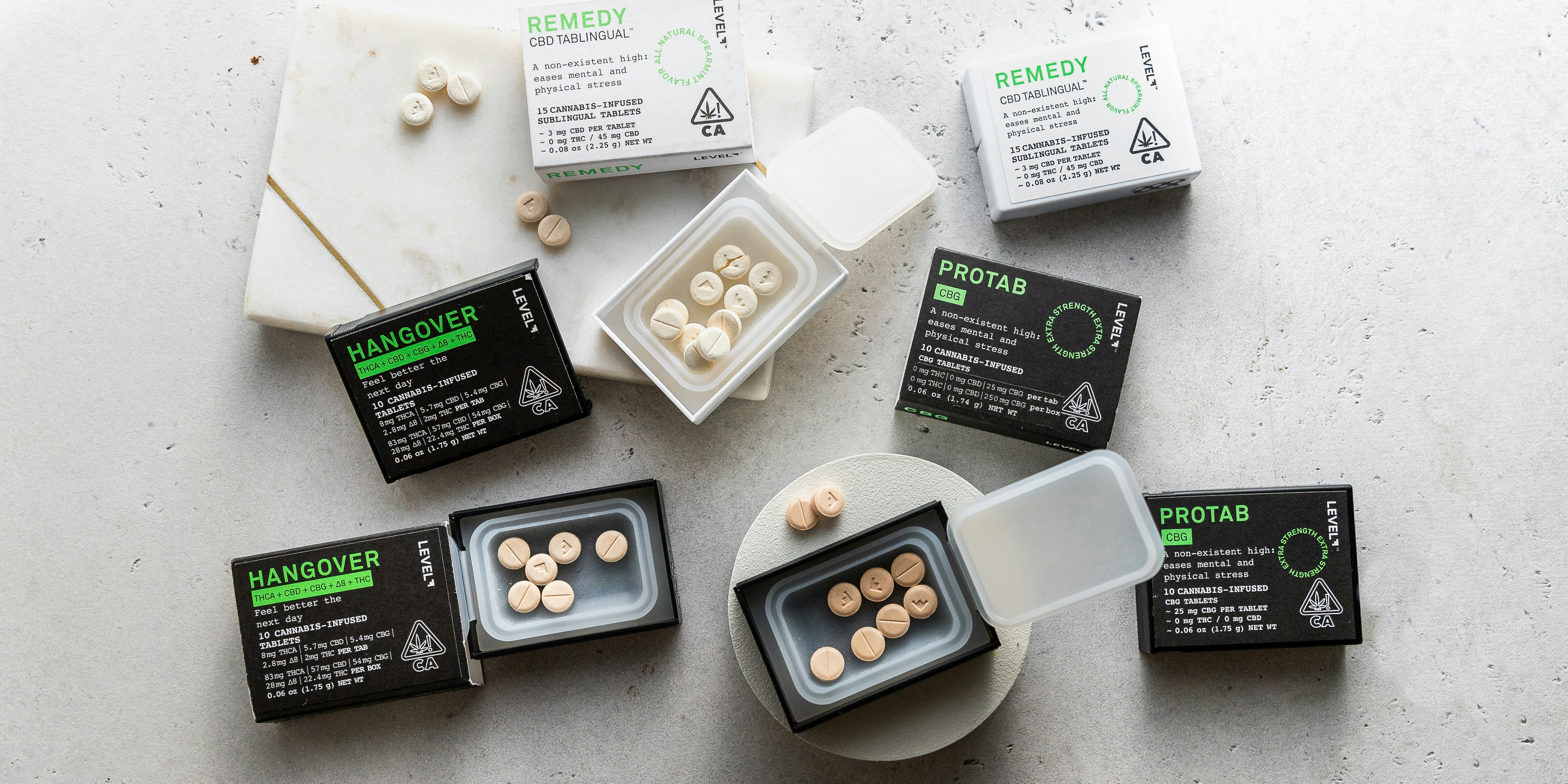
Understanding THCA and How It Differs from THC
In the living cannabis plant, one molecule dominates the raw phytochemical profile: a non‑intoxicating acidic form that remains stable until altered. Unlike its well‑known counterpart, this compound carries an extra carboxyl group that prevents it from producing the classic “high” associated with cannabis. Instead of activating CB1 receptors strongly, it appears to interact with the endocannabinoid system and other pathways in subtler ways, which has caught the attention of researchers and consumers seeking effects without intoxication.
Activation is a change of chemistry, not just a label. Heat, light and time remove that carboxyl group through a process called decarboxylation, transforming the acidic molecule into the psychoactive form most people recognize. Practical factors that influence how much conversion occurs include:
- heat: smoking, vaping or baking reliably decarboxylates the molecule.
- Light and storage: prolonged exposure can slowly convert or degrade cannabinoids.
- Time and curing: age and drying conditions affect the balance between acidic and neutral forms.
From a pharmacological viewpoint, the two forms behave differently. Early studies suggest the acidic form may have anti‑inflammatory, antiemetic and neuroprotective properties, but evidence remains preliminary and mechanistic pathways are still being mapped. Because it does not produce the same psychoactive effects, products high in the acidic cannabinoid are often positioned for users looking for symptomatic relief without impairment, though dosage, formulation and individual biology all influence outcomes.
| Property | Acidic Cannabinoid | Neutral Cannabinoid |
|---|---|---|
| Psychoactivity | Non‑intoxicating | Intoxicating |
| Common source | Fresh plant, raw extracts | Heated or aged material |
| Conversion trigger | Decarboxylation needed | Already active |

Consumption methods and Their Impact on THCA Bioavailability and Experience
THCA behaves like a chameleon depending on how it’s taken: heat transforms it,biology distributes it,and formulation controls how much actually reaches your bloodstream. Because THCA must undergo decarboxylation to become THC, hot delivery methods tend to produce more immediate psychoactive effects, while cooler or raw preparations preserve the acid form and a different, often subtler, physiological profile. Think in terms of mechanism – temperature, surface area, and first-pass metabolism all shape the eventual experience.
Inhalation-smoking or vaping-yields fast onset and high immediate absorption; edibles and capsules deliver slower, longer-lasting effects with lower peak concentration but different metabolites. Below are practical contrasts to keep in mind:
- Inhalation: rapid onset (minutes), short duration, high peak bioavailability when heat converts THCA to THC.
- Oral (edibles/tinctures): delayed onset (30-120 minutes), extended duration, subject to first-pass metabolism.
- sublingual: intermediate onset, bypasses some hepatic metabolism for more direct absorption.
- Topical/raw: localized effects or preserved THCA with minimal systemic absorption.
Formulation matters: emulsions, nanoencapsulation, and ethanol or oil carriers change how well THCA or its decarboxylated products are absorbed. Temperature control during vaping or cooking not only alters potency but also flavor and terpene retention, which modulate the subjective experience. For those titrating dose or avoiding strong psychoactivity, low-temperature vaporizing, sublingual tinctures, or consuming raw preparations (juices, tinctures formulated to preserve THCA) offer finer control over exposure.
| Method | Onset | Duration | Swift Note |
|---|---|---|---|
| Vaping/Smoking | Minutes | 2-4 hours | Rapid conversion to THC |
| Edibles | 30-120 minutes | 6-12 hours | Lower peak, longer tail |
| Sublingual | 15-45 minutes | 2-6 hours | Partial bypass of liver |
| Topical/Raw | Variable | Localized | Minimal systemic absorption |

Practical Recommendations for Responsible Use and Selecting High Quality THCA Products
Start low, go slow is the simplest rule for responsible THCA use. Because THCA can convert to THC with heat, avoid vaping or smoking if you want purely non-intoxicating effects – keep products refrigerated, stored in opaque containers, and away from light and high temperatures to preserve the molecule’s native form.If you take prescription medications, are pregnant, nursing, or have a chronic condition, always consult your healthcare provider before trying THCA; interactions and contraindications can be subtle but critically important.
when choosing products, prioritize clarity and testing. Look for brands that publish a current Certificate of Analysis (COA) from an autonomous lab showing not just THCA content but also residual solvents, pesticides, and microbial screens.A quick purchasing checklist to keep on hand:
- COA available – confirms potency and safety.
- Clear labeling – batch number, harvest date, and serving size.
- Extraction method disclosed – CO₂ or solventless methods reduce contamination risk.
- Reputable source – recent customer reviews and traceable farm/processor.
Practice precision dosing and safe handling: use syringes, calibrated droppers, or milligram scales rather than eyeballing amounts, and wait at least 90-120 minutes to assess an oral dose as edible onset is slow. Keep all cannabis-derived products in childproof packaging and clearly labeled containers; never mix THCA products with other medications without professional advice. If experimenting with topical applications, patch-test a small area first to check for allergic reactions.
Pay attention to legality and shelf life: THCA regulations vary widely,so verify local laws before purchasing or traveling with products.Store items in a cool, dark place and note the expiration or harvest date-plant-derived products oxidize over time and potency can drop. Responsible sourcing and mindful storage protect both safety and the subtle benefits you seek.
| Feature | Why it matters | Look for |
|---|---|---|
| COA | Verifies potency and contaminants | Recent, third-party lab |
| Extraction | Impacts purity and safety | CO₂ or solventless |
| Labeling | Ensures correct dosing | Dose per serving + batch ID |
| Storage | Preserves THCA integrity | Cool, dark, airtight |
Final Thoughts
Like any good map, this guide has tried to mark the contours and landmarks of THCA – where it lives in the plant, how heat or time can unlock a different story, and why researchers and consumers alike are watching it with interest. THCA is not simply a mysterious relic of raw cannabis; it’s a chemical waypoint that helps explain how cannabinoids change form and function.
There are still blank pages in the research,and the most responsible reading of current studies is cautious: promising signals,but not definitive conclusions. Legal frameworks, lab methods, and medical guidance also vary, so curiosity should be paired with care – check the law where you are and consult qualified professionals for health decisions.
If nothing else, understanding THCA sharpens your view of cannabis chemistry: a reminder that small molecular shifts can have outsized effects, and that science often advances one careful experiment at a time.Keep asking questions, follow new studies, and let this primer be the starting point for a deeper, evidence-minded exploration.

