


A single molecule can wear different hats. THCA – tetrahydrocannabinolic acid – is the raw, unheated precursor to the more familiar THC, a compound that lives quietly inside cannabis untill heat or time nudges it into a new form. Like a seed waiting for sun, THCA holds chemical potential that changes depending on how it’s handled, and understanding that potential is the first step toward using it responsibly.
This article unpacks THCA from the ground up: what it is indeed at a molecular level, how it differs from THC, and the ways common consumption methods influence its behavior. we’ll also explore practical considerations around “starting dose” – not as a prescription, but as a framework for thinking about potency, individual sensitivity, method of use, and safety. Along the way you’ll find summaries of current research, legal and regulatory points to watch, and the factors that shoudl shape your cautious approach.
knowledge about cannabinoids is evolving, and THCA remains an active area of study. If you’re considering trying THCA or changing how you use cannabis-derived products, this primer will give you the context to ask informed questions of clinicians, dispensary staff, and trusted sources – and to make choices that fit your needs and local rules.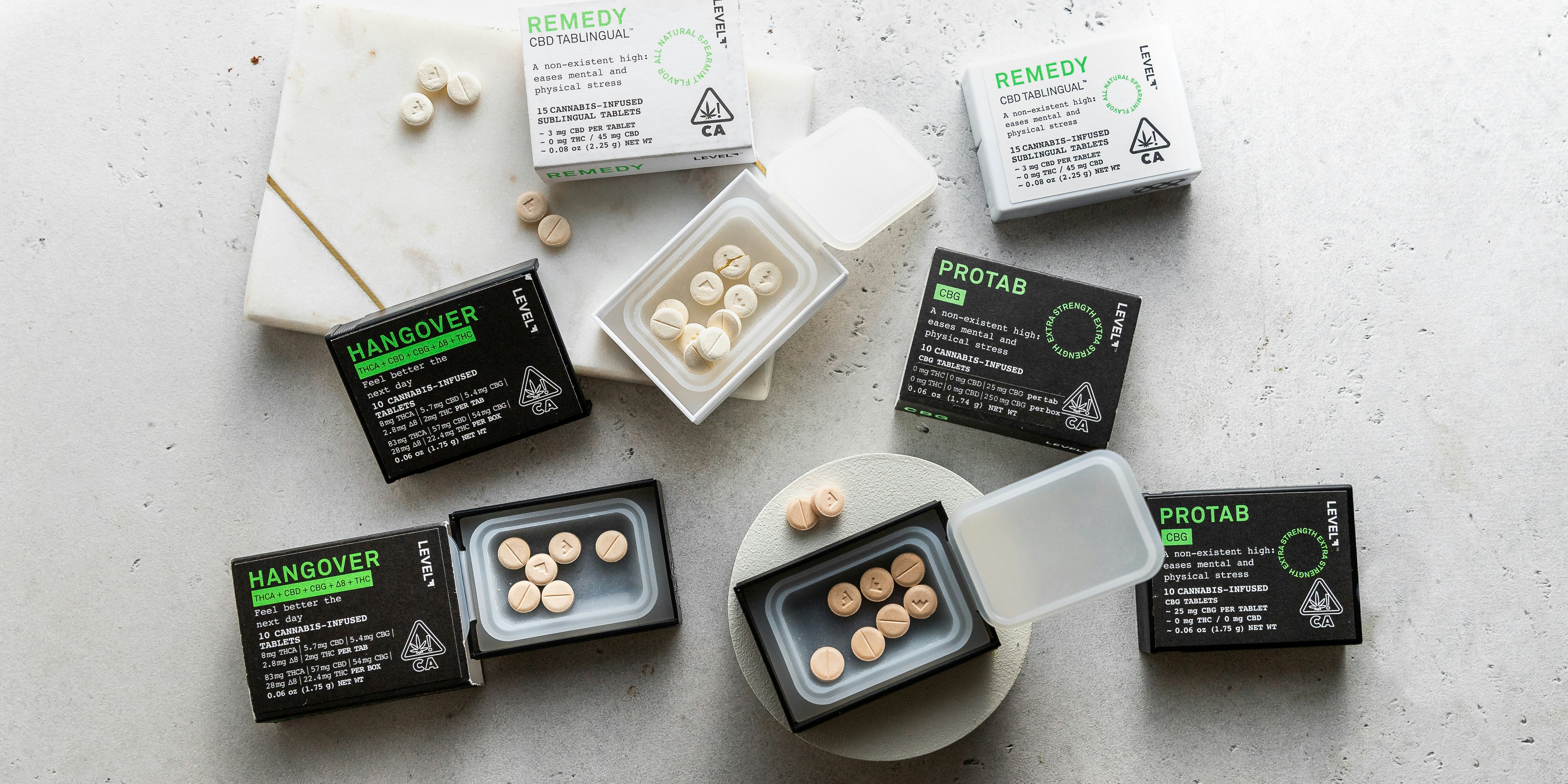
Understanding THCA: what it is, how it differs from THC and why it matters
THCA is the acidic precursor produced in living cannabis plants; in its raw form it carries a carboxyl group that keeps it chemically distinct from the famous psychoactive THC. Found in fresh or cold-processed plant material, this compound is largely non-intoxicating and represents the state of cannabinoids before heat, light, or time trigger a chemical shift. Think of THCA as a sleeping potential-chemically similar to THC but functionally different until it undergoes conversion.
At the molecular level the change that separates THCA from THC is simple yet pivotal: decarboxylation removes a CO2 group and unlocks psychoactivity. Practical differences that matter to consumers and creators include:
- Psychoactivity: THCA – non-intoxicating; THC – intoxicating after decarboxylation.
- Use-cases: THCA appears in raw preparations (juices, tinctures), while THC dominates in heated extracts and smoked/vaped products.
- Stability: THCA is less stable under heat and converts to THC when exposed to it; storage and processing change the chemical profile.
Why this matters: whether you’re curious about therapeutic avenues, legal distinctions, or simply how your product will affect you, knowing the THCA→THC relationship informs both expectations and methods. Many people seeking the non-intoxicating properties opt for raw or low-heat preparations, while those pursuing classic cannabinoid effects rely on decarboxylated products. in terms of personal use, a cautious approach is wise – start with small amounts, especially with concentrates or tinctures, and allow time to observe effects before increasing.
| form | Effect | Rapid starting note |
|---|---|---|
| Raw flower / juice | Non-intoxicating | No heat – consume fresh |
| THCA tincture / isolate | Likely non-intoxicating unless heated | Many begin with ~5-10 mg and observe |
| Decarboxylated product | Psychoactive (THC) | Different effects – dose carefully |
How THCA works in the body: molecular action, decarboxylation and physiological effects
THCA exists as the carboxylated, non-psychoactive precursor to THC; imagine it as a locked key with an extra tag (the carboxyl group) that keeps it from fitting snugly into the brain’s CB1 locks. As of that tag THCA shows only weak direct activity at classical cannabinoid receptors, but it can still tug on other molecular levers – preclinical work points to interactions with TRP channels, modulation of inflammatory enzymes like COX, and possible activation of nuclear receptors that influence gene expression. These indirect actions give THCA a distinct biochemical fingerprint separate from Δ9-THC, and help explain why raw cannabis and heated cannabis can feel and act very differently in the body.
The chemical conversion called decarboxylation is simple in concept: heat or prolonged light exposure strips THCA of a CO2 group, turning it into psychoactive THC. This is why smoking or vaping almost instantaneously produces intoxicating effects – the high temperature removes the “tag” in milliseconds.lower-temperature culinary processes (infusing oils, slow baking) can also decarboxylate, but require controlled time and steady heat to convert reliably without degrading the cannabinoids or terpenes.
| State | Primary characteristic | Common use |
|---|---|---|
| Raw THCA | Non-intoxicating, indirect receptor actions | Juicing, tinctures, lab extracts |
| Decarboxylated THC | Psychoactive, strong CB1 affinity | Smoking, edibles, concentrates |
How people experience it depends on both chemistry and delivery. Raw or cold-prepared products tend to preserve THCA’s gentle, non-intoxicating profile; heated preparations shift the balance toward THC’s psychoactive effects. Typical routes and expected outcomes include:
- Raw ingestion: THCA preserved – minimal intoxication, systemic exposure to THCA’s indirect effects.
- Vaporization/smoking: Rapid decarboxylation - fast onset intoxication from THC.
- Low-temp infusion: Partial conversion – mixed profile, variable effects depending on time/temperature.
The molecular story matters: small changes in temperature and time change the chemistry, wich in turn reshapes receptor engagement and physiological results – and that is why planning methods are as important as dose when considering THCA-containing products. The broader cannabinoid and terpene matrix (the entourage effect) further modulates these outcomes, so context and careful preparation determine whether you’re getting mostly THCA’s subtle signals or THC’s full‑spectrum psychoactivity.
 suggested starting doses, titration schedules and safety precautions”>
Practical dosing guide: suggested starting doses, titration schedules and safety precautions
Think of a THCA regimen the way you would approach a new herbal tea: start gently and observe. For most people new to concentrated THCA, a prudent oral starting range is about 2.5-5 mg once daily.If using a low-dose tincture,begin with one dropper fraction or a single capsule; if working with raw flower (juicing or smoothies) aim for a small handful rather than large,concentrated helpings. Remember that products vary widely in potency-always check the label and convert percentages into milligrams before dosing.
Increase slowly using a simple titration plan: add small,measured increments every few days and keep a short symptom log. A common, conservative approach is:
- Days 1-3: baseline dose (2.5-5 mg daily).
- Days 4-7: increase by 2.5 mg if no unwanted effects.
- Weekly: repeat the 2.5 mg step-up every 5-7 days until you reach the desired effect or a comfortable plateau.
Safety first: avoid heating THCA if you want to maintain its non-psychoactive profile – decarboxylation turns THCA into THC, which can produce intoxication. Do not operate heavy machinery or drive until you know how a dose affects you. if you are pregnant, breastfeeding, taking prescription medications, or have a chronic health condition, consult a healthcare professional before trying THCA. Store products securely and label them clearly to keep them away from children and pets.
Below is a quick reference table to match common product forms with suggested starting and cautious maximum daily ranges:
| Product type | Suggested start | Cautious max/day |
|---|---|---|
| Tincture (oral) | 2.5-5 mg | 15-20 mg |
| Capsule | 2.5-5 mg | 15 mg |
| Raw flower (juicing) | Small handful / few hundred mg plant | No strict limit – monitor effects |
| Topical | Apply as needed | Local use only |
Final Thoughts
As you close this guide on THCA, remember that what began as a chemical name has real-world implications for how you explore cannabis compounds. THCA is both a distinct molecule and a doorway – non-intoxicating in its raw form,but one that can transform under heat or time. Understanding its nature, how it interacts with your body, and how to approach dosing helps turn curiosity into careful, informed use.
Treat experimentation like a small, intentional voyage: start low, move slowly, and keep a log of dose and effects so you can learn from direct experience rather than guesswork. Respect legal boundaries where you live, and consult a healthcare professional if you have health conditions, take medications, or are unsure about interactions.
Research into THCA is ongoing, and recommendations may evolve. Stay curious and cautious in equal measure, and let evidence and personal safety guide your next steps. Whether you’re exploring THCA for wellness, research, or simply education, an informed, measured approach will serve you best.

