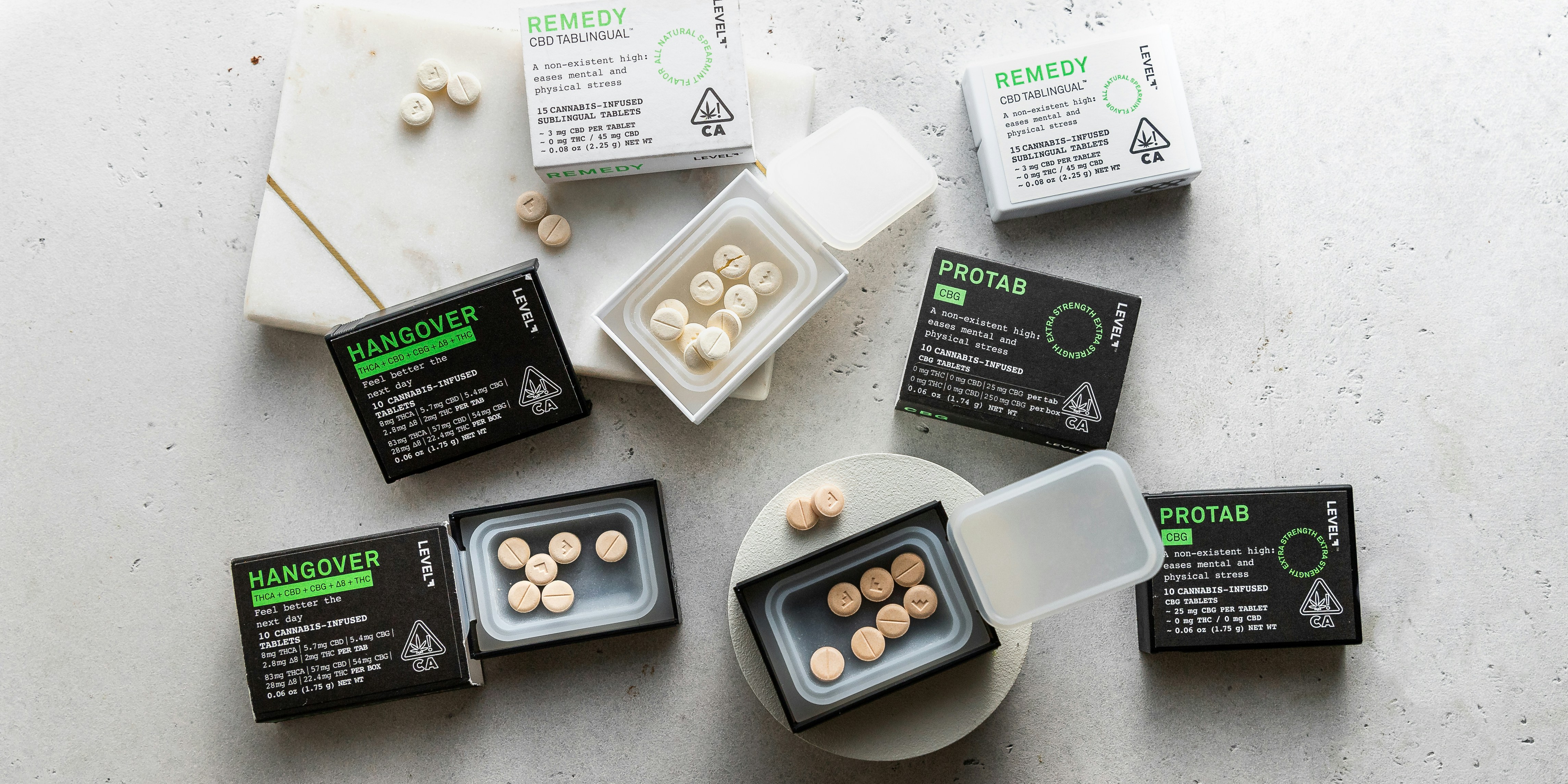
THCA is the quiet precursor that lives inside the cannabis plant-an unconverted molecule with a story that starts in the leaf and can change with a little heat. For curious readers, it represents both a scientific footnote and a growing focus of consumer interest: not yet the psychoactive THC most associate with cannabis, THCA occupies a subtle, intriguing space on the spectrum of cannabinoids.
This article will unlock that space. We’ll walk through the basics-what THCA is, how it differs from THC, and why the distinction matters-then explore common ways people encounter and use it, from raw plant material to commercially available products, without assuming prior knowledge. Along the way we’ll touch on what research actually shows (and what remains uncertain), plus the legal and safety considerations everyone should know before experimenting.
whether you’re a newcomer trying to sort through labels at a dispensary, a patient weighing options, or simply curious about the plant’s chemistry, this primer lays out the essential facts in clear, practical terms-so you can decide, informed and thoughtful, what role THCA might play in your life.
Decarboxylation Explained: When THCA Becomes THC and How to Control the Process
At its heart this is a simple chemical switch: a carboxyl group leaves the molecule as CO₂, transforming non-intoxicating THCA into psychoactive THC. Heat is the usual trigger-whether from a flame, an oven, a vaporizer, or a slow sous‑vide bath-and the trick is to apply enough energy to complete the reaction without frying the delicate compounds that give cannabis its aroma and nuance. The plant in its raw state is rich in acids and terpenes; how you manage temperature and time determines whether you amplify potency,preserve flavor,or lose both to degradation.
Practical control comes down to method, temperature, and duration. Common approaches include oven decarboxylation for kitchen-pleasant extracts, sous‑vide for precise, terpene‑conserving results, and vaporization for on‑demand activation. Each has tradeoffs:
- oven: accessible and consistent if you monitor temperatures closely.
- Sous‑vide: wet-heat method that preserves terpenes and color but takes longer.
- Vaporizer: instant activation with high terpene retention but less suited for infusions.
| Temperature | Approx. time | Typical Outcome |
|---|---|---|
| 90°C (195°F) | 60-90 min | Gentle decarb,better terpene retention |
| 105°C (220°F) | 30-45 min | Reliable conversion for most extracts |
| 140°C (285°F) | 10-15 min | Fast activation,increases terpene loss |
Several variables affect the outcome: moisture content,particle size (more surface area = faster decarb),and oven performance. Small tweaks can yield big differences-grind coarser to slow activation, use a calibrated thermometer to guard against hot spots, or vacuum‑seal for sous‑vide to protect aromatics. Speedy checklist:
- Spread material in a thin,even layer on parchment.
- Use an oven thermometer to verify actual temperature.
- Consider vacuum-sealing for controlled, low-temp decarb.
- Aim for patience over heat to preserve terpenes and flavor.
Knowing how to stop, slow, or accelerate the reaction lets you tailor effects: a light decarb leaves more THCA-like profile and milder psychoactivity in edibles, while full decarb maximizes potency. look for a light golden color and a toasted,not burnt,aroma as rough visual cues.Once cooled, store the decarboxylated material airtight, dark, and cool to maintain potency, and always prioritize safe handling and local compliance when preparing or using activated material.
Practical Dosing Guidelines and Safety Tips for Beginners and Experienced Users
Start low, go slow is the golden rule when working with THCA. Because THCA itself is non-intoxicating until exposed to heat (which converts it into THC), the safest approach is to match your dosing strategy to the method of consumption: raw or topical preparations can be treated conservatively, while inhalation or heated concentrates should be dosed as if you were consuming THC. Always choose lab-tested products with clear cannabinoid profiles, know local laws, and keep a small personal log of how much you took and how you felt-this simple habit accelerates learning without guesswork.
Practical steps to follow before and during dosing:
- Beginner tip: Try a tiny portion first-one sip, one puff, or one small drop-and wait. For sublingual/tinctures and edibles, wait at least 90-120 minutes before deciding to take more.
- Experienced user: Calibrate by splitting your usual dose in half after testing a new batch or device; different cultivars and extraction methods change effects.
- When heating is involved, assume conversion to THC and reduce your usual amount accordingly.Check vaporizer temperature settings-lower temps preserve more THCA but still risk conversion.
- Keep a neutral habitat free of obligations for the first trial-no driving, operating heavy machinery, or making important decisions until effects are fully known.
| Consumption Method | Onset & Duration | Practical Dosing Takeaway |
|---|---|---|
| Raw juice / fresh flower | Minutes; mild, short-lived | Start with a small portion of fresh material; no heat to avoid THC conversion. |
| Tincture / sublingual | 15-60 min onset; moderate duration | Begin with a fraction of the recommended dropper; wait before redosing. |
| Edibles (heated) | 30-120 min onset; long duration | Treat as THC edible-use very conservative portions and wait several hours before increasing. |
| Vape / dabbing (heated concentrates) | Seconds to minutes; intense but shorter | Assume full conversion to THC-use micro-doses until you know potency. |
Safety first: store products securely away from children and pets, label homemade preparations clearly, and never mix THCA/THC with alcohol or sedatives without medical advice. If you take prescription medications, consult a healthcare professional about possible interactions before experimenting. if you ever feel unexpectedly uncomfortable, lie down, hydrate, breathe slowly, and remember that effects will pass-seek medical help if symptoms are severe or prolonged.
In Retrospect
As you close this guide, think of THCA not as a hidden secret but as a new tool in a growing toolkit – one that rewards curiosity, careful study, and respect for the rules that govern it. You now know the basics: what THCA is, how it differs from THC, the common ways people use it, and the safety and legal considerations that should shape any choice. Because science and regulations are still evolving, keep looking for reliable research, talk with qualified professionals when relevant, and start small if you decide to experiment. With patience and prudence, the next step is yours: explore responsibly and let evidence, not hype, guide your decisions.