


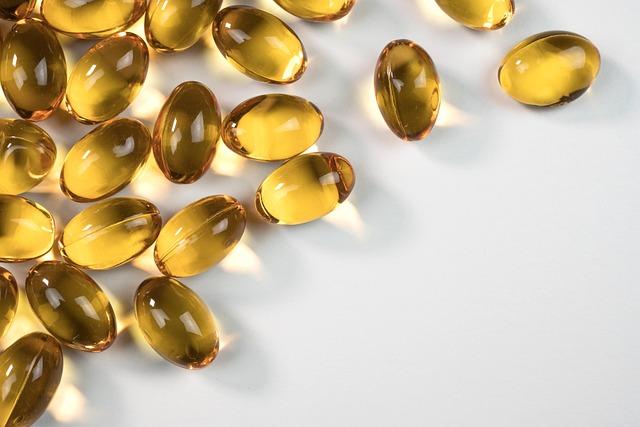
Imagine a quiet, unassuming compound sitting at the edge of a busy conversation – present in the plant, often overlooked in the lab, and recently nudging its way into wellness shelves. THCA (tetrahydrocannabinolic acid) is that compound: chemically close to its more famous cousin THC, but different in behavior and in the questions it raises for people curious about cannabis-derived supplements. Unlocking THCA means understanding what it is, how it acts, and how it can be incorporated into a thoughtful wellness routine.
This article will guide you thru the essentials without hype: what THCA is and how it differs from THC; the common supplement forms you’ll find (tinctures, capsules, topical preparations, and raw products); practical ways people use these supplements; and the safety, legal, and sourcing considerations to weigh before trying them. We’ll translate the technical into the practical, balancing emerging research with everyday realities of dosage, labeling, and product quality.
Whether you’re new to cannabinoid supplements or already exploring alternatives, the goal here is clarity. Think of this as a map to the terrain – an orientation that helps you ask informed questions, recognize useful data on labels, and make choices that fit your needs and local regulations.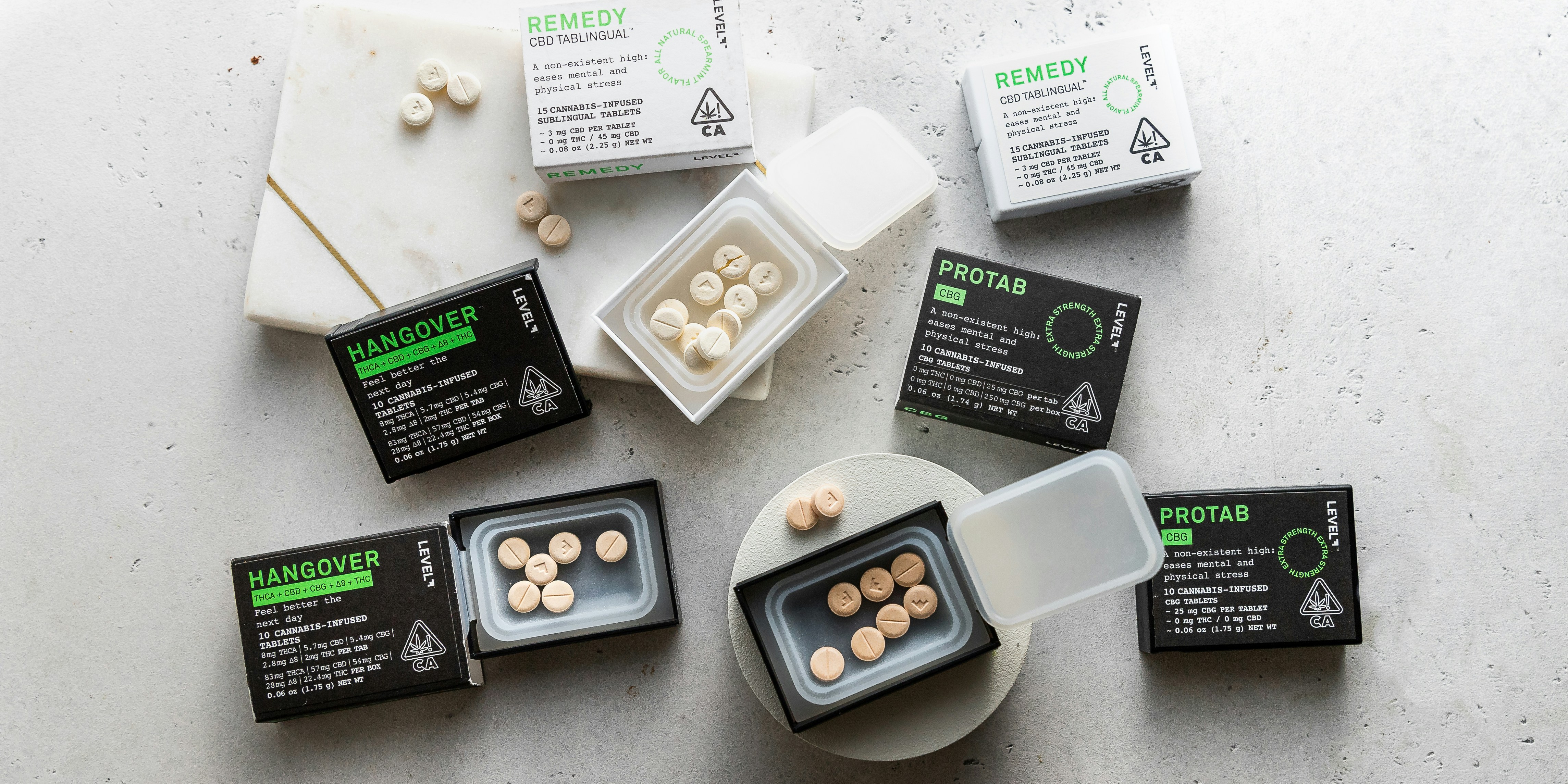
Decoding THCA and Its Role in the Endocannabinoid System
Think of THCA as the unsung precursor in the cannabis molecule family – a non-intoxicating compound that often goes unnoticed until heat or time transforms it into its more famous cousin. Rather than barreling into receptors like some cannabinoids, it tends to play a subtler role: modulating signals, nudging pathways, and interacting with the body’s regulatory network in a way that can be described as a molecular whisper rather than a shout. Researchers and formulators are increasingly intrigued by how these quieter interactions can be harnessed in supplements for focused wellness goals.
At a glance, its relationship with the body is multifaceted. Key ways THCA interacts with the body’s signaling landscape include:
- Precursor behavior – it converts into THC when exposed to heat, altering its profile and effects.
- Indirect modulation – engages with multiple pathways rather than strongly binding to CB1 or CB2 receptors like other cannabinoids.
- Synergistic potential – works with terpenes and other cannabinoids to create nuanced outcomes in full-spectrum formulations.
- Non-intoxicating presence – retains a different safety and use profile for supplement design compared with THC.
| Aspect | Fast note |
|---|---|
| Binding | Low direct affinity for CB1/CB2 |
| Conversion | becomes THC with heat (decarboxylation) |
| Formulation | Useful in non-psychoactive supplement blends |
Understanding these nuances helps product developers design supplements that respect both the chemistry and the desired user experience. By treating THCA as a strategic ingredient – one that interacts gently with the endocannabinoid landscape and pairs well with complementary botanicals – brands can craft targeted,nuanced wellness offerings without relying on intoxication as an effect.

Practical Dosing Strategies for THCA to Support Energy Focus and Restorative Sleep
think of dosing as a conversation with your body rather than a one-size-fits-all prescription. For daytime clarity, many people respond well to a microdose approach: very low amounts that nudge alertness and cognitive steadiness without sedation.Evening strategies shift toward slightly higher, sustained doses aimed at promoting restorative sleep cycles; delivery form matters here – slow-release capsules or edible formulations can offer steadier overnight support, while tinctures under the tongue act faster when you need a shorter onset.
Practical application favors a methodical, iterative process: start low, wait, and adjust. Begin with a conservative amount and give each dose several days to reveal its pattern. Track subjective measures like energy, focus, sleep latency, and wakefulness. Consider how you take THCA – sublingual for quicker feedback, capsules for predictable timing, and vaporized or inhaled forms for rapid but shorter effects – and pair that with lifestyle choices such as light exposure, caffeine timing, and evening wind-down routines.
- Start low: 1-5 mg as an initial microdose for daytime experimentation.
- wait and observe: allow 45-120 minutes for full effect before changing dose.
- Titrate slowly: increase by small increments (1-3 mg) across several days.
- Match form to goal: fast-onset for immediate focus, sustained-release for overnight support.
| Goal | When to Take | Typical Starting Range | Notes |
|---|---|---|---|
| Energy & Focus | Morning or early afternoon | 1-5 mg | Sublingual or low-dose tincture; pair with light exposure. |
| Sustained daytime clarity | split doses across the day | 2-10 mg total | Use capsules or repeated microdoses for steady support. |
| Restorative sleep | 30-90 minutes before bedtime | 5-20 mg | sustained-release or edible forms can definitely help maintain overnight effects. |
Safety and consistency are your best allies. Keep a simple log of dose, timing, and subjective response for at least a week before making changes. Be mindful of potential interactions with medications and avoid driving or operating heavy machinery until you know how a specific dose affects you. When in doubt, consult a knowledgeable clinician and treat each adjustment as an experiment – subtle shifts frequently enough yield the most useful information.
Closing Remarks
As you close this guide, remember that unlocking THCA is less about a single secret and more about a thoughtful approach – choosing high-quality products, matching delivery methods to your goals, and adjusting doses with care. treat the supplement as a tool in your wellness kit: research labels and lab results, check local regulations, and speak with a healthcare professional if you take other medications or have underlying health concerns.
Curiosity and caution can travel together – start small, pay attention to how you feel, and make changes intentionally. With the right information and a measured approach, THCA can become one thoughtfully considered option among many on your path to balanced wellbeing.

