



think of cannabis chemistry as a cast of characters: some are loud and famous, others quiet and curious. THCA - tetrahydrocannabinolic acid – belongs to the latter. It’s the abundant, non-psychoactive compound found in fresh, uncured cannabis, the version of THC before heat or time transforms it. For newcomers, that distinction is the single most useful piece of information: THCA ≠ the “high” most people associate with cannabis.
This article, ”Unpacking THCA: A Newbie’s Pleasant Introduction,” walks you through that transformation and why it matters. You’ll get a clear, plain-language description of what THCA is at the molecular level, how it behaves when exposed to heat (decarboxylation), and the common ways people encounter it – from raw flower and tinctures to laboratory tests and product labels. Along the way we’ll flag what science has and hasn’t yet shown, and cover legal and safety basics so you’ll know what questions to ask.
No jargon-heavy lectures, no hype - just a grounded, accessible guide designed to demystify a compound that’s quietly become a point of interest for consumers, makers, and researchers alike. By the end, you’ll be able to read a label, understand the difference between THCA and THC, and feel confident about the next steps in your learning.
THCA Basics: what It Is, How it Differs from THC, and Why That Matters
THCA is the acidic precursor found in fresh, uncured cannabis plants – think of it as the raw, living molecule before heat or time changes it. In its natural state it’s non-intoxicating and often appears in resinous trichomes and crystalline formations on cured buds. When exposed to heat (like smoking, vaping, or baking) or allowed to decarboxylate over time, it loses a carboxyl group and becomes the familiar psychoactive compound many people know: THC.
The practical differences matter more than the chemistry alone.THCA and THC share a similar backbone, but that extra carboxyl group alters how the molecule interacts with the body’s endocannabinoid system. While THC readily activates CB1 receptors and produces intoxicating effects,THCA does not produce the same central nervous system high and appears to have a different interaction profile. Emerging research points to possible anti-inflammatory and neuroprotective qualities for THCA, but the evidence is preliminary and still being explored.
Key, easy-to-scan contrasts:
- Psychoactivity: THCA – non-intoxicating; THC - intoxicating.
- How it’s made: THCA – present in fresh plant; THC – formed after decarboxylation (heat/time).
- Use cases: THCA – raw tinctures, juices, topicals; THC – smoked, vaped, edibles.
| Feature | THCA | THC |
|---|---|---|
| Psychoactive | No (non-intoxicating) | Yes (intoxicating) |
| Found in | Fresh/uncured plant | Heated/cured product |
| Common use | Raw extracts, topicals | Recreational/medicinal dosing |
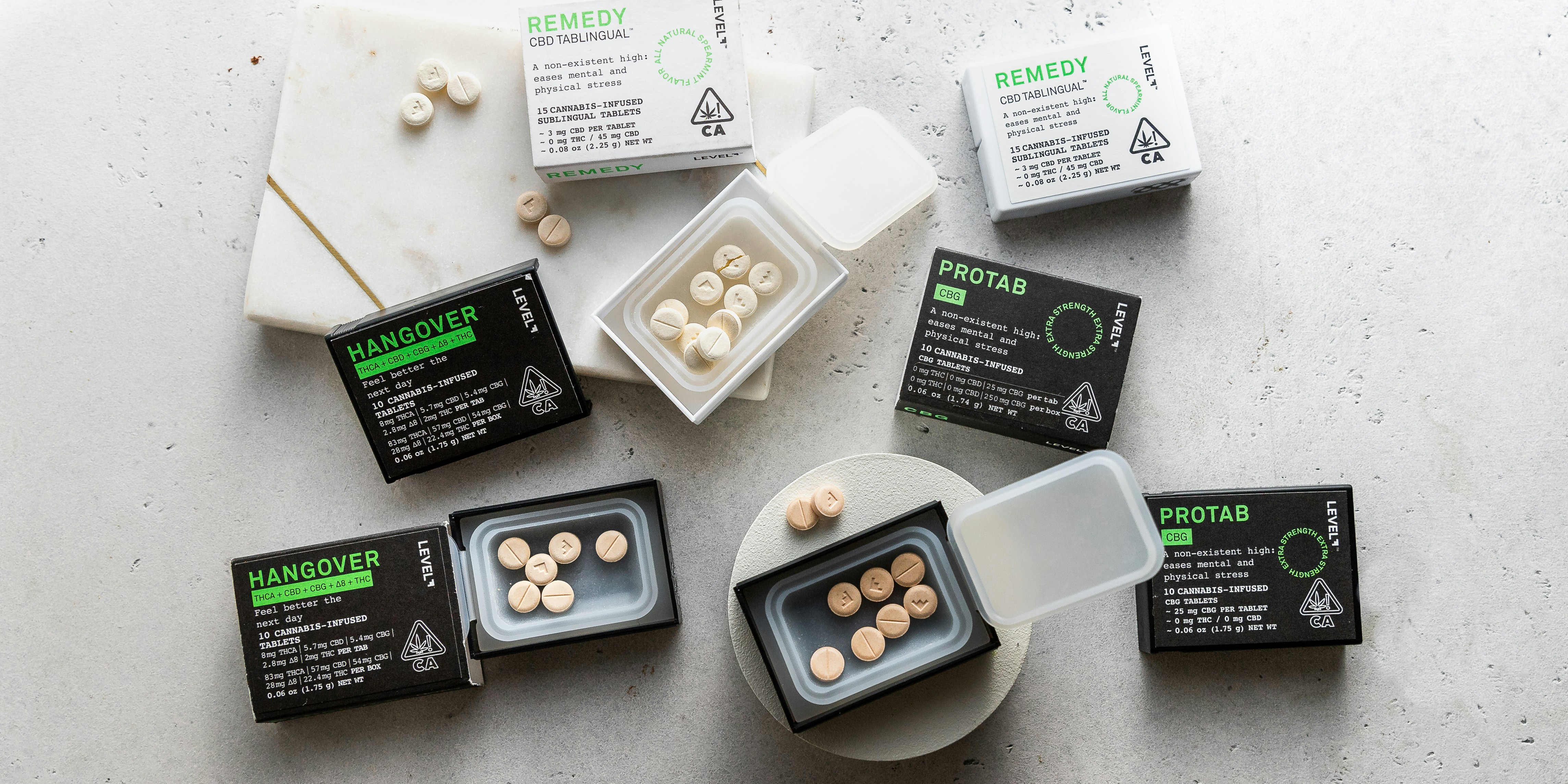
For anyone new to cannabinoids, a few simple tips go a long way: store flower cool and dark if you want to preserve THCA; expect that heating will convert THCA to THC; and always check lab results and labels to know what you’re buying. If you’re exploring THCA for potential wellness benefits, remember the science is evolving – proceed cautiously and favor products with clear testing and clear dosing information.
How THCA Works in the Body: decarboxylation, Bioavailability and Expected Effects
Think of THCA as cannabis in its winter coat: a chemical cousin tucked into the plant with an extra carboxyl group that keeps it chemically different from THC. When you apply heat – through smoking, vaping, or baking – that coat is shed in a process called decarboxylation, transforming THCA into the psychoactive THC. Left raw (juiced leaves, fresh tinctures), THCA largely keeps its original form, which is why fresh cannabis rarely produces the classic “high” associated with heated flower.
How much of a compound actually reaches your bloodstream – its bioavailability – depends on how you take it. Inhalation gives a rapid onset (seconds to minutes) and generally higher immediate absorption, while oral routes (edibles, capsules) convert through the liver first, producing a slower, longer-lasting effect. Keep in mind the research on THCA-specific absorption is still emerging; many of the numbers below are generalized from what we know about cannabinoids:
- Raw/juiced: THCA remains largely unconverted; effect is subtle and non-intoxicating.
- Inhalation (smoking/vaping): Fast onset, more conversion to THC if heat is sufficient.
- Edibles/tinctures: Slow onset (30-120 minutes), variable conversion depending on readiness.
- Topicals: Localized action with minimal systemic absorption.
Expectations around effects shoudl be tempered: THCA is generally described as non-intoxicating, and users report milder, more subtle experiences than with THC - think gentle relaxation or focused calm rather than euphoria. Many people also talk about THCA as part of the broader entourage effect, where multiple cannabinoids and terpenes interact to create a combined profile of sensations. Because formal studies are limited, most guidance is based on early research and anecdotal reports, so individual responses can vary.
| Property | THCA | THC |
|---|---|---|
| Psychoactivity | Typically non-intoxicating | Intoxicating |
| Activation | Raw plant; converts with heat | Active after decarboxylation |
| Common use | fresh preparations,some tinctures | Edibles,vaping,smoking |

A Practical Starter Plan for New Users: Dosage Guidelines,tracking Effects and When to Seek professional Advice
Start low,go slow is the simplest,most dependable rule for first-timers.For raw THCA products, begin with the smallest measurable unit your product offers – often between 1-5 mg – and keep the first few sessions conservative. Remember that THCA can convert to THC when heated, so dosing methods that involve combustion or vaping require extra caution; take one small inhalation and wait to assess before repeating. increase only after a clear, steady pattern of effects (or lack of them) emerges over several days.
| Product type | Starter dose | Wait time / Notes |
|---|---|---|
| Raw tincture (sublingual) | 2-10 mg | 15-60 min; steady absorption |
| Vape / small inhale | One small puff | Assess 5-20 min; avoid repeated puffs quickly |
| edible / capsule | 2.5-10 mg | Wait 2-3 hrs for full effect before redosing |
| Topical | Apply thin layer | Local effects; systemic uptake varies |
Keep a simple log each time you try THCA: note the product, exact dose, time, setting, and a one-line intensity score (1-10) for both desired effects and any adverse reactions. Use the following quick checklist to structure entries:
- Product name & batch (copy label)
- Dose (mg) and method (sublingual, vape, edible, topical)
- Onset time and peak time
- Effects experienced and intensity (1-10)
- Any side effects and how long they lasted
Aim for a 7-14 day observation window at each dose before increasing; small, consistent changes give the clearest picture of what works for you.
contact a healthcare professional if you’re taking prescription meds (especially anticoagulants or immunosuppressants), are pregnant or breastfeeding, have a history of heart disease or severe psychiatric conditions, or if you experience persistent or severe side effects such as chest pain, extreme anxiety, confusion, or fainting. Bring your product label or a photo of it to appointments so clinicians can see concentrations and ingredients. Not a substitute for professional medical advice – when in doubt, get a personalized assessment before changing doses.
Future outlook
Like any good map, this guide to THCA aims to point out the terrain without telling you exactly which path to take. You now know the basics: what THCA is,how it differs from THC,why context (raw vs.heated) matters,and the key legal and safety considerations a curious newcomer should keep in mind. Think of it as the first few steps inside a much larger house – useful rooms have been labeled, but there are plenty more to explore.
If you’re intrigued, move forward with curiosity and caution: read primary sources, check local laws, and talk with a healthcare professional if you have medical questions. For hands-on experience, favor trusted vendors and transparent product information rather than hearsay. Above all, let patience guide you; in the world of cannabinoids, knowledge and careful choices are the best companions.
Thanks for reading – keep exploring, stay informed, and enjoy learning at your own pace.

