


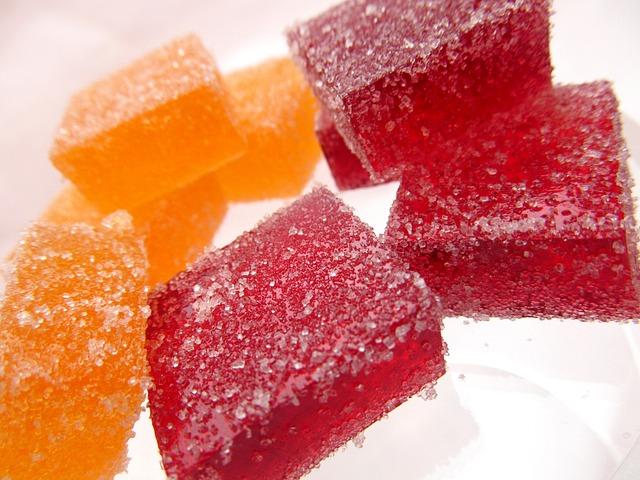
bright, jewel-toned and deceptively simple, a gummy can feel like a tiny promise - a measured moment of calm, creativity, or relief tucked into your pocket. Lately, a new class of chewable candies has been earning a place on shelves and in home medicine cabinets across the contry: THCa gummies made in the USA. Whether you’re curious about their unique chemistry, hunting for brands that prioritize purity and testing, or trying to figure out a dosing strategy that fits your life, the choices can quickly feel overwhelming.
This guide peels back the wrapper on America-made THCa gummies, blending product recommendations with the practical basics you need to shop smart and dose safely.You’ll find how to evaluate third‑party lab results, what differentiates artisanal from mass-produced options, and clear, conservative dosing approaches for beginners and experienced users alike. Along the way we’ll note legal considerations and safety reminders so you can make informed choices in line with local laws and your own health priorities.
Read on for curated picks and a straightforward dosage framework designed to help you navigate the world of THCa gummies with confidence – no hype, just the facts and a few helpful signposts.
How to Read Labels and Lab Reports: Interpreting THCa Content, Potency Claims and Purity Results
Start by treating the package like a mini lab: scan for the mg per gummy, the total cannabinoid content per container, a visible batch number and a clear link or QR code to the product’s Certificate of Analysis (COA). Labels often use shorthand-look for THCa specifically rather than a generic “THC” claim; that distinction changes how the potency behaves when heated or metabolized. Also note serving size, recommended servings per day, and an expiration or manufacture date-these simple bits cut through marketing and tell you what you’re actually buying.
When you open the COA, focus first on the cannabinoid panel. Labs typically list raw THCa alongside Δ9‑THC (activated THC) and other cannabinoids. A useful rule of thumb: multiply THCa by 0.877 to estimate the maximum potential Δ9‑THC if full decarboxylation occured. Below is a quick convert-and-compare example you can use when matching a label claim to a lab result.
| Label Claim | Lab Result | Potential Δ9‑THC |
|---|---|---|
| 10 mg THCa / gummy | Measured THCa: 9.8 mg | 9.8 × 0.877 = 8.6 mg |
| Jar total: 300 mg | Measured THCa total: 294 mg | 294 × 0.877 = 258 mg |
Purity panels are just as significant as potency. Make sure the COA shows testing for pesticides, residual solvents, heavy metals and microbial contaminants, and that problematic results are listed as “ND” (non‑detect) or fall well under established safety limits. Red flags include missing lab accreditation, an absent batch number, results dated long before production, or elevated solvent/pesticide readings. Quick checklist:
- Third‑party lab name and accreditation present
- COA matches the product batch number
- Limits of detection are shown (so “0.00” isn’t masking poor testing)
- No high pesticide or heavy metal counts
Use this info to dose safely: verify mg per gummy on the label, confirm with the COA, then ”start low and go slow” if you’re uncertain-half a gummy is a legitimate strategy until you confirm effects against the verified lab numbers.

Finding your Sweet Spot: Dosage Guidelines for New users, Regular Consumers and High-Tolerance Individuals
Edible cannabinoids behave like slow-burning art rather than a quick sketch-what you feel and when you feel it depends on dose, metabolism and what else is in your system. Start with the rule many experienced users swear by: start low, go slow. Because thca products vary in purity and labelling, begin with a modest amount and wait.Most edibles take anywhere from 45 minutes to 2 hours to peak, so resist the urge to top up too early.
Practical dosage ranges help you find a cozy starting place, though individual response will always vary. Typical ranges to consider are:
- New users: 1-3 mg per serving. This allows you to gauge sensitivity without overshooting.
- Regular consumers: 5-10 mg per serving. Expect steadier, more predictable effects if you’re accustomed to cannabinoids.
- High-tolerance individuals: 15+ mg per serving, frequently enough split into smaller increments across the day rather than one large dose.
Below is a quick reference table for common scenarios. Use it as a creative baseline-always check product labels, lab reports and, if available, consult a learned budtender or clinician for personalized advice.
| User Type | Typical Single serving | Suggested Wait Time |
|---|---|---|
| New user | 1-3 mg | 60-120 minutes |
| Regular consumer | 5-10 mg | 45-90 minutes |
| High-tolerance | 15-30 mg (split dosing) | 30-90 minutes between increments |
Final tips: keep a small journal of dose and effects, store gummies away from heat and light to preserve potency, and be mindful when combining with alcohol or other sedatives. If you’re experimenting with microdosing, try very small daily amounts and reassess after a week-subtlety can be as effective as excess when finding your sweet spot.
Final Thoughts
Whether you’re curious about THCa for its unique place in the cannabinoid spectrum or you’re hunting for a reliable, USA-made gummy to add to your routine, informed choices make the difference. Look for clear lab reports, clear dosing data, and brands that prioritize quality control; start low, go slow, and keep notes so you can fine-tune what works for you. Remember to check local laws and talk with a healthcare provider if you have medical concerns or take other medications.With the right research and a cautious approach, THCa gummies can be explored responsibly-think of them as a new chapter in your wellness toolkit, one best navigated with curiosity, care, and clarity.

