


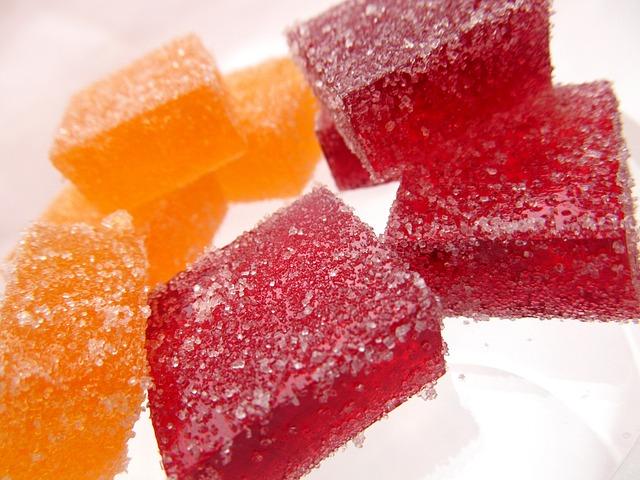
They look like candy, but the label reads like a chemistry report: vegan THCA gummies have arrived at the intersection of confectionery craft and cannabinoid science. Marketed as a plant-based option to traditional delta-9 THC products, these chewy squares promise a diffrent route to cannabis-derived effects-one shaped by molecular form, manufacturing controls, and third-party lab verification.for curious consumers and cautious clinicians alike, the appeal is both sensory and scientific: familiar formats (gummies) combined with a compound whose behavior under a microscope and in a certificate of analysis invites closer scrutiny.
This article takes a calm,evidence-minded tour of that terrain. We’ll unpack what THCA is, why some manufacturers position it as a delta-9 alternative, and what independent lab testing actually shows about potency, purity, and safety. Along the way we’ll consider formulation choices-why vegan ingredients matter, how heat and handling change chemistry, and what regulators and researchers are watching-so you can weigh claims against the data rather than the packaging.
Lab Proven Potency and Safety Markers to Check on Certificates of Analysis
Think of the certificate of analysis as the gummy’s report card: it reveals both what’s inside each piece and whether that content was tested by a trustworthy lab. Before you trust a product,scan the COA for lab accreditation (ISO 17025),a clear batch/lot number,and the assay date. A credible COA will also state the analytical methods used (for example, HPLC for cannabinoids and GC-MS for solvents) and include limits of detection/quantitation so you can judge how sensitive the testing was.
Pay special attention to potency reporting: the COA should list both the raw cannabinoid forms and how they translate into the gummies’ final dose.Look for THCA and any measured Δ9‑THC separately, plus a clear “total cannabinoids” line and per-gummy milligram values. Below is a quick reference for the most useful potency entries and what they mean.
| Marker | what to look for |
|---|---|
| THCA | mg per gummy and % by weight; confirms the active component touted on the label |
| Δ9‑THC | Reported separately; should be within legal limits for your area |
| Total cannabinoids | Sum of all measured cannabinoids; indicates product consistency |
Safety markers are equally important. A well-constructed COA will show testing for heavy metals (lead, arsenic, cadmium, mercury), pesticides (ND or below regulatory thresholds), residual solvents (e.g.,ethanol,butanes-listed with limits),and microbial contaminants (total aerobic count,yeast & mold,Salmonella/E. coli negative). If any results are out of spec, the certificate should flag them rather than burying them in fine print.
- Check authenticity: verify QR codes or lab URLs and match batch numbers to the product packaging.
- Note testing date: fresher is better; microbiological risks and potency can change over time.
- ask for clarification: if a COA omits methods or shows ambiguous units, request a full lab report.

Practical Dosing Strategies and Timing for First Time and Experienced Users
For a predictable, enjoyable experience with vegan THCA gummies, embrace the mantra: start low, go slow, and keep notes. Lab-tested potency makes it easier to measure your intake, but individual factors - body weight, metabolism, recent meals, and cannabinoid tolerance – will still shape the effects. Expect edible onset to be gradual: allow the product up to a few hours to show its full effect before deciding to redose.Keep water and a light snack nearby and avoid combining with alcohol or sedatives.
If you’re trying these gummies for the first time, think microdosing. A practical starter routine looks like this:
- Initial dose: 2.5-5 mg THCA.
- Observation window: wait 90-180 minutes before increasing.
- record: note time, dose, food, and subjective effects for future titration.
- Surroundings: choose a calm setting and avoid tasks requiring full attention until you know your reaction.
Experienced users can use more tailored strategies: split a larger dose into two smaller servings to smooth peaks, time a slightly higher dose in the evening for sleep-supportive effects, or microdose throughout the day for subtle mood modulation. Typical experienced ranges fall between 10-30 mg depending on tolerance; remember that higher amounts lengthen the active window, often peaking 2-4 hours after ingestion and lasting 6+ hours. Titrate slowly and prioritize consistency-same food state (empty vs fed) and time of day-to better predict outcomes.
| User | Typical Starting Dose | Wait time | Quick Tip |
|---|---|---|---|
| first‑time | 2.5-5 mg | 90-180 min | Microdose & log effects |
| Intermediate | 5-10 mg | 60-150 min | Try with light snack |
| Experienced | 10-30 mg | 60-240 min | Split dose for control |
Keep a simple journal of dose and response, and consult a healthcare professional if you’re taking medications or have medical conditions-this keeps experimentation safe, informed, and enjoyable.

Evidence Based Benefits, Side Effects, and Potential Interactions to Monitor
What the science and lab reports indicate: controlled lab analyses of vegan THCA gummies typically document cannabinoid profiles, purity, and absence of contaminants-data that helps bridge laboratory evidence with user experience. Preclinical studies and small human trials suggest THCA and related cannabinoids may exert anti‑inflammatory and neuromodulatory effects, while consumer reports note relaxing, delta‑9‑like outcomes when the compound is formulated to produce similar experiential profiles. These findings are preliminary and context‑dependent, but they support cautiously optimistic claims rather than promises of cure.
Potential benefits reported or suggested by early evidence:
- Pain modulation: animal models and anecdotal human reports note reduced nociceptive signaling.
- Inflammation support: laboratory studies indicate possible reduction in inflammatory markers.
- Relaxation & sleep: users commonly report calming effects and improved sleep onset in low‑to‑moderate dosing.
- non‑intoxicating profile (when raw): THCA itself is generally described as non‑psychoactive, though formulations can produce delta‑9‑like sensations depending on processing.
These are potential outcomes-not guaranteed-and vary by formulation, dose, and individual physiology.
Side effects and interactions to monitor: reported adverse effects tend to be mild but should not be ignored. Commonly noted reactions include dry mouth, lightheadedness, mild digestive upset, and transient drowsiness. More importantly,THCA and cannabinoid products may interact with prescription drugs metabolized by liver enzymes (CYP450),and with CNS depressants. Populations to exercise extra caution include pregnant or breastfeeding people, those with severe liver disease, and individuals on blood thinners or certain antidepressants.
| Substance | Potential Interaction | Monitoring Tip |
|---|---|---|
| Warfarin / blood thinners | Altered anticoagulant levels | Check INR more frequently |
| Benzodiazepines / opioids | Increased sedation risk | Avoid combining; adjust doses carefully |
| SSRIs / SNRIs | Possible metabolic or serotonergic effects | Discuss with prescriber before use |
Practical safety advice: choose lab‑tested vegan gummies,start with a low dose,document effects,and consult a healthcare professional-especially when taking othre medications. In short: informed, measured use and routine monitoring make the difference between an experimental curiosity and a responsibly integrated wellness option.
How to Choose High quality Vegan THCA Gummies Based on Ingredients and extraction Methods
scan the ingredient panel like a botanist reading a map. Look for plant-based gelling agents such as pectin or agar instead of gelatin, and favor gummies sweetened with natural sugars or low-glycemic alternatives rather than artificial syrups. Prioritize products that list the hemp extract type clearly-terms like full-spectrum THCA-rich or THCA isolate tell you whether minor cannabinoids and terpenes are present. Avoid unnecessary additives: artificial colors, long lists of preservatives, and ambiguous ”natural flavors” without origin calls are red flags for a premium vegan product.
Extraction choices shape flavor, purity, and whether THCA remains intact. Supercritical CO2 extraction is widely regarded for producing a clean, solvent-free extract with good terpene preservation; ethanol pulls a broader spectrum and can retain more terpenes when properly winterized; hydrocarbon-based methods can be efficient but demand strict solvent-residue testing. If the product claims THCA content specifically, look for manufacturers that minimize heat and light during processing so the cannabinoid stays in its acidic (non-decarboxylated) form-cold-processing notes and solvent-free finishing methods are important clues.
Lab testing is non-negotiable. Request a batch-specific COA and verify these core checks:
- Potency – confirms THCA per serving
- Residual solvents - especially if hydrocarbon or ethanol extraction was used
- Heavy metals & pesticides – ensures clean cultivation and processing
- Microbial & mycotoxin screening – required for edibles
Below is a quick comparison of common extraction approaches to help you weigh trade-offs:
| Method | Purity | Terpene Retention | Notes |
|---|---|---|---|
| Supercritical CO2 | High | Good | Clean, solvent-free when done right |
| Ethanol (winterized) | High | Very Good | Broad cannabinoid profile; requires thorough purification |
| Hydrocarbon | Variable | Excellent | powerful but needs strict residual solvent testing |
assess packaging and transparency: opt for brands that publish full COAs with clear batch numbers, provide suggested dosing per gummy, and highlight lasting sourcing and vegan certifications when applicable.Small touches-recyclable packaging, clear allergen labeling, and customer-accessible lab links-frequently enough separate thoughtful makers from commodity products. In short, choose gummies where ingredient clarity, gentle extraction, and independent lab verification align with your priorities for a clean, plant-first THCA experience.
Recommended Use Cases and When to Prefer THCA Gummies Over Delta nine
choose THCA gummies when you want a subtler, more controllable cannabinoid experience that fits into busy, wellness-minded days.They often appeal to people who prefer a clear-headed effect,are sensitive to strong psychoactivity,or need something easier to microdose. because many THCA formulations are lab-tested and vegan, they make a practical option for shoppers prioritizing purity, consistent potency, and ingredient transparency.
Practical scenarios where these gummies shine include:
- Daytime focus: gentle support without heavy sedation.
- Sensitive users: lower-intensity onset for those new to cannabinoids.
- Legal or workplace caution: where milder, non-decarboxylated profiles reduce risk of strong impairment.
- Microdosing routines: precise dosing for incremental adjustment.
| Feature | THCA Gummies | Delta‑9 Edibles |
|---|---|---|
| Typical intensity | Lower, more gradual | Stronger, longer-lasting |
| Best for | Daily functional use | Evening or recreational |
| Lab testing | Often emphasized (purity) | required in regulated markets |
When deciding between the two, prioritize your context: if you need discretion, milder effects, or a product that integrates with daytime life, lean toward THCA gummies. Always check potency labels, review third-party lab results, and respect local laws-avoid operating vehicles or machinery while experimenting with any cannabinoid product. Smart selection and measured dosing make the difference between an inconvenient surprise and a smoothly integrated experience.
In Retrospect
As the lab reports and user anecdotes converge, vegan THCA gummies emerge as an intriguing middle ground: a plant-based, carefully tested product that may deliver some of the experiential qualities people associate with delta‑9, while sitting in a different chemical and legal space.The data so far are promising enough to warrant attention but not definitive enough to replace clinical guidance-THCA’s effects,stability,and conversion pathways are still the subject of ongoing study.
If you’re curious, take a cautious, evidence-minded approach: look for batch-specific lab certificates, buy from reputable makers, mind dosing and storage, and check local laws and any medical interactions. Conversation with a healthcare professional remains the best way to align new products with personal health needs.
Ultimately, vegan THCA gummies illustrate how innovation, testing, and transparency can reshape consumer options. Whether they become a routine choice or a momentary curiosity depends on future research,regulation,and the choices of informed users-so stay curious,stay critical,and let the science lead the next steps.

