


There’s a molecule in the cannabis plant that frequently enough goes unnoticed until heat, time, or extraction unlocks its more famous cousin: meet THCa, the acidic precursor to THC. In living cannabis,THCa accumulates in trichomes as the plant grows,chemically distinct from delta-9 THC in that it doesn’t produce the characteristic “high” until it’s decarboxylated by heat or aging. As cannabis science advances, THCa has become a focus for researchers, manufacturers, and curious consumers alike – prized for its chemical role, product versatility, and the nuanced legal questions it raises.
This 2024 guide walks a careful line between curiosity and evidence. You’ll find clear explanations of the chemistry that makes THCa different from THC, the ways it appears in modern products (from raw flower and tinctures to crystalline isolates), and what current studies – limited but growing – say about its biological activity. We’ll also cover practical topics your likely to encounter: lab testing and labeling, how decarboxylation changes effects, safety and dosing considerations, and the shifting regulatory landscape that shapes availability.
Whether you’re a scientist,a cultivator,a clinician,or simply cannabis-curious,this article aims to be a balanced map through a rapidly evolving topic: what THCa is,how it’s used today,and what the latest science – as of 2024 – actually supports versus what remains speculative.

What THCa Is and How It Differs from THC: Chemistry and Practical Implications
thca is the acidic precursor to the familiar Δ9-tetrahydrocannabinol (THC). Chemically it’s a carboxylated cannabinoid (frequently enough written as THCA-A) with the molecular formula C22H30O4; that extra carboxyl group makes it heavier, more polar, and structurally distinct from THC. In its raw form THCa is largely non-intoxicating because it has a very low affinity for the brain’s CB1 receptor. Only when heat or prolonged aging removes the carboxyl group-through a process called decarboxylation-dose THCa convert into psychoactive THC.
These small chemical differences cause several practical implications for users, producers, and regulators. THCa’s polarity affects how it behaves in extraction, formulation, and biological assays; it is indeed less likely to cross the blood-brain barrier than THC without conversion.In testing and labeling, labs often report a total potential THC by converting THCa into its THC-equivalent using a standard factor (to account for CO2 loss during decarboxylation). Below is a speedy comparison that highlights the core distinctions:
| Property | THCa | Δ9-THC |
|---|---|---|
| Chemical note | C22H30O4 (carboxylated) | C21H30O2 (decarboxylated) |
| Psychoactivity | Non-intoxicating (pre-conversion) | Intoxicating |
| Lab conversion factor | THC equivalent ≈ THCa × 0.877 | |
For everyday choices, this translates into actionable differences:
- Consumption method – raw or low-temp preparations preserve THCa; heating (vaping, smoking, baking) promotes conversion to THC.
- Product labeling – look for both thca and total THC numbers to understand potency after decarboxylation.
- Therapeutic potential – THCa is being explored for anti-inflammatory and neuroprotective properties without intoxication, though evidence is still emerging.
These distinctions inform cultivation, processing, and responsible dosing: growers and extractors tailor curing and extraction to either preserve THCa or maximize THC depending on the intended product and legal status.


Forms, Consumption Methods, and How to Choose the Right THCa Product
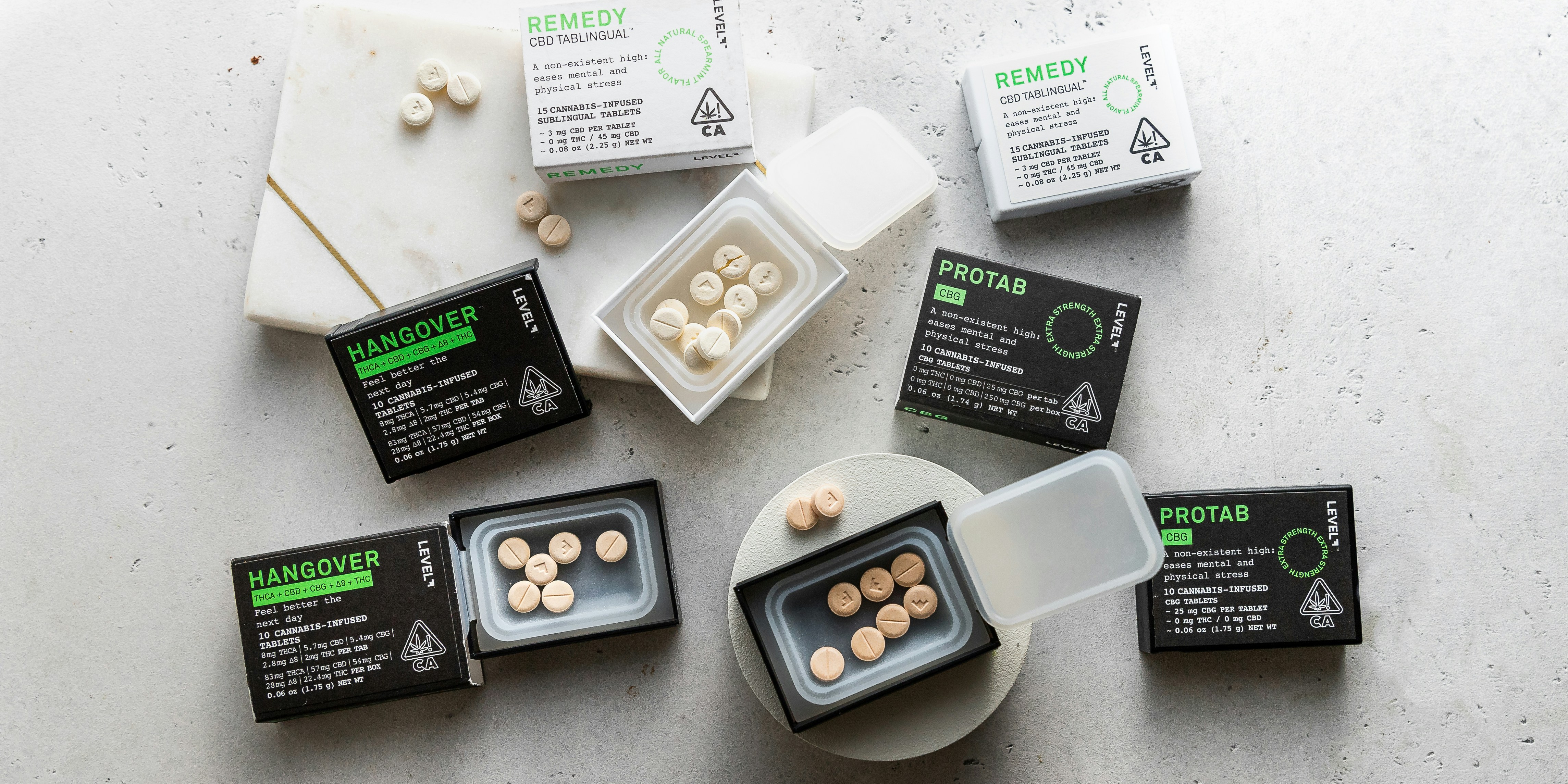
THCa shows up in the market in surprisingly diverse shapes: whole raw flower and live resin for those who want the plant in a minimal-processed form; crystalline isolates and powders for precision dosing; tinctures and sublingual drops for convenient microdosing; chewables and gummies for discrete, measured servings; and creams or balms for localized relief. Labels can vary widely, so look beyond pretty packaging to the cannabinoid breakdown-THCa content, residual solvents, and terpene signatures tell you what you’re actually buying.
The way you consume determines whether THCa stays as THCa or converts into intoxicating THC. Heating (smoking, vaping, baking) causes decarboxylation, so inhalation and cooked edibles typically produce psychoactive effects. Cold or raw consumption-juicing fresh flower or using unheated tinctures-keeps the molecule intact and non-psychoactive for those seeking therapeutic properties without a high. Topicals generally act locally and rarely produce systemic effects, making them a safe option for targeted relief.
Choosing the right option is part science, part lifestyle fit. Prioritize products with recent lab certificates of analysis (COAs), transparent sourcing, and clear dosing details. Decide whether you want full-spectrum extracts (entourage effect) or isolates (clean, predictable dosing). Think about timing and setting: quick-onset inhalables suit acute symptom relief, while edibles and tinctures support longer-lasting effects. Quick checklist to guide a purchase:
- COA available: verifies purity and potency
- Intended effect: short-term relief vs sustained support
- Preferred route: inhale, oral, sublingual, or topical
- Tolerance & dosing: start small and track response
- legal status: local regulations may vary
Practical tips: always start low and increase slowly, store products away from light and heat to preserve THCa, and consult a healthcare provider if you’re on medications. The table below summarizes common formats at a glance:
| Form | Typical Onset | Duration | psychoactivity Risk |
|---|---|---|---|
| Raw flower / juice | Minutes | Short | Low (no heat) |
| Smoke / vape | Seconds-minutes | 1-3 hours | High (conversion to THC) |
| Sublingual tincture | 15-45 minutes | 2-6 hours | Low-medium (depends on processing) |
| Edible | 30-120 minutes | 6-12 hours | High (heated during planning) |
| Topical | Minutes | Variable | Very low (local action) |

Safety,Interactions,Dosage Guidance,and Practical Recommendations
Think safety first. THCa is non-intoxicating in its raw form, but heat turns it into THC – so handling, dosing, and preparation change the effects. Be alert for contaminated or mislabeled products: pesticides, heavy metals, residual solvents, and inaccurate cannabinoid counts are the most common hazards. People who are pregnant, breastfeeding, under 25, or who have a history of psychosis should avoid cannabinoid experimentation unless supervised by a clinician. Also remember that impaired judgment and reaction time can occur if THCa is decarboxylated and converted to THC during cooking or vaping.
Potential drug interactions are an important practical concern. Cannabinoids can alter liver enzymes (especially CYP450 isoforms), which affects levels of many common medications. Watch out for:
- Blood thinners (e.g., warfarin) – altered clotting risk.
- Sedatives and CNS depressants – additive drowsiness or respiratory effects.
- Antiepileptics and immunosuppressants – possible plasma-level changes.
- Alcohol – combines unpredictably with cannabinoids and increases impairment.
When it comes to dosing, the safest rule is “start low and go slow.” If a product lists THCa per serving, begin at a fraction of a serving (for example, ¼-½ of the labeled amount) and wait long enough to observe effects-up to 90-120 minutes for oral forms. Keep a simple log of dose,timing,and effects so you can titrate intentionally. Below is a quick reference table for common product types and conservative starting approaches:
| Product type | Conservative start | Titration tip |
|---|---|---|
| Raw flower / juice | Small single serving (fresh leaves/flower) | Increase gradually; avoid heating |
| Tincture / oil | ¼-½ of a labeled dropper | Wait 1-2 hours before redosing |
| Edibles (uncertain decarboxylation) | Very small portion of a serving | Expect delayed onset; proceed slowly |
Practical recommendations: buy lab-tested products, store them in a cool dark place, label homemade preparations clearly, and never drive or operate heavy machinery while experimenting. If combining THCa with prescription drugs or if you have chronic health conditions, consult a healthcare professional who understands cannabinoids. keep records, be patient when adjusting doses, and prioritize trusted sources – small, careful steps protect both safety and the quality of your experience.
final Thoughts
Like a hinge on a hidden door, THCa sits at the intersection of chemistry, culture and curiosity: inert in the cold, active when warmed, and still being explored by science. In 2024 we know more than ever about its molecular identity, potential applications and the gaps that remain – but we also have to accept that many claims outpace the evidence.
If you take one practical message from this guide: THCa is distinct from THC, may offer different effects and uses, and deserves the same cautious attention as any compound people put into their bodies. That means checking product quality,knowing your local laws,talking with a healthcare professional about interactions and risks,and treating emerging benefits as possibilities rather than settled fact.
Science moves on both data and doubt. Expect clearer answers as more clinical studies, standardized testing and regulatory frameworks develop – and expect the conversation to change as they do. Until than, stay curious, prioritize safety, and let verified research, not headlines, shape how you think about THCa.