Think of cannabis as a living chemistry set: tucked inside its leaves and flowers are dozens of molecules that change character when exposed to air, light, or heat. One of the most intriguing of these is THCA – tetrahydrocannabinolic acid – a non-psychoactive precursor that quietly surrounds the better-known THC until a little chemistry (usually heat) flips the switch.
This swift-start guide peels back the basics for beginners: what THCA is, how it differs from THC, where it’s found, and why people pay attention to it today (from raw juicing to lab testing to emerging research). You’ll get clear, practical explanations without the jargon, plus pointers on legal and safety considerations so you can read further with confidence. Whether you’re curious about cannabis science or just trying to understand product labels, this introduction will help you start on solid ground.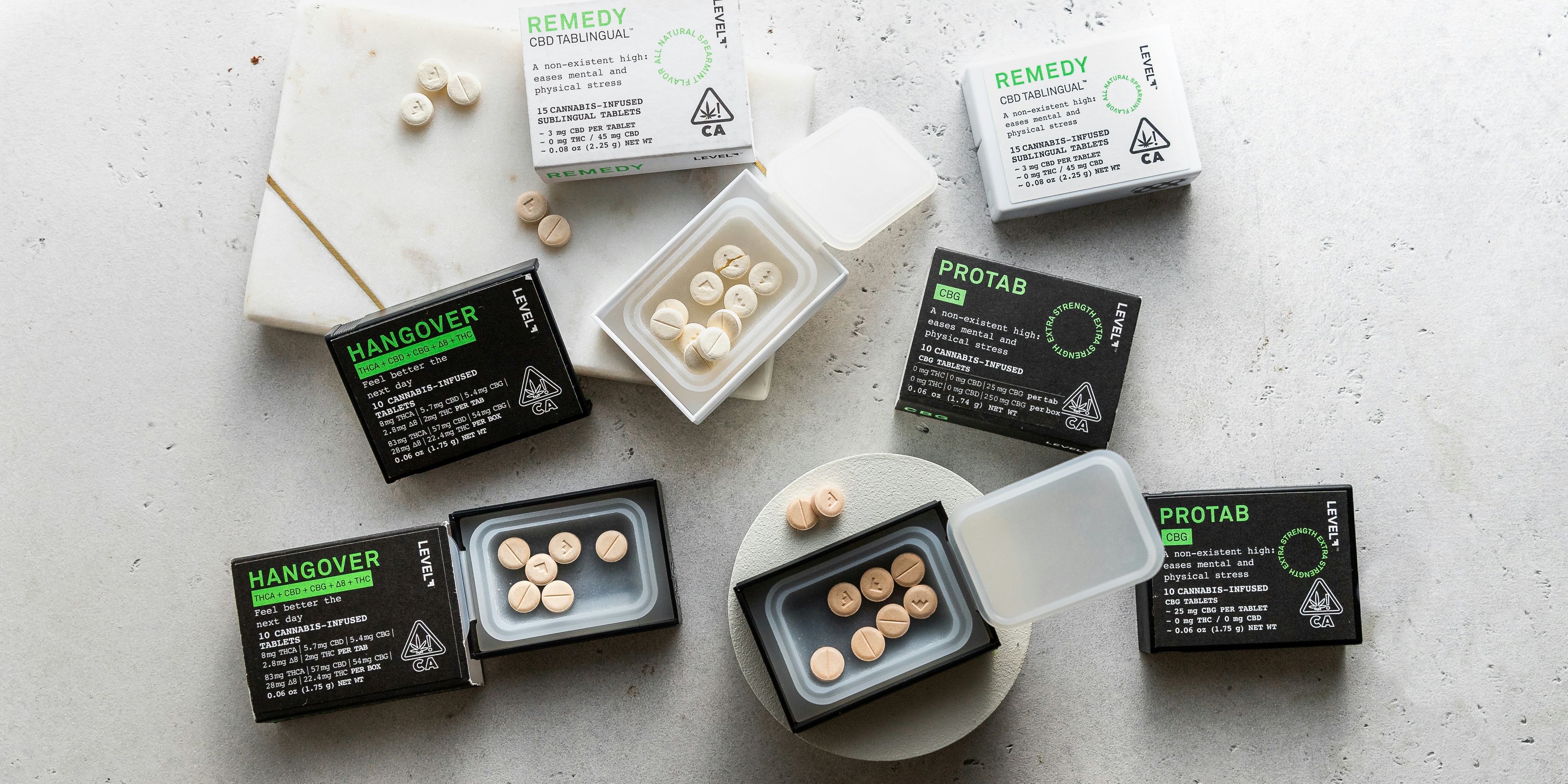
What THCA Is, How It differs From THC, and Why It Matters
Think of THCA as the raw, unplayed note inside the cannabis plant – a chemical precursor that carries potential but doesn’t yet sing the familiar psychoactive tune. THCA (tetrahydrocannabinolic acid) is the acidic form produced naturally in fresh flowers and trim. It’s chemically distinct from THC because it bears an extra carboxyl group, which prevents it from activating the brain’s CB1 receptors the way THC does. In plain terms: raw THCA is largely non-psychoactive, while THC is the compound responsible for the “high.”
Those chemical differences have practical ripple effects – here are a few quick contrasts to keep in mind:
- Activation: THCA becomes THC when exposed to heat or light (a process called decarboxylation).
- Effects: THCA does not typically produce intoxication; THC does.
- Presence: THCA is abundant in fresh plant material; THC dominates after drying, curing, or smoking.
- Legal and lab testing: Some regulations and tests distinguish the two, because measured THC usually reflects converted THCA.
| Property | THCA | THC |
|---|---|---|
| Psychoactivity | Minimal/none | Yes |
| Typical form | Fresh flower, juice, raw extracts | smoked, vaped, decarbed products |
| Conversion | requires heat/light | Result of decarboxylation |
Why this matters to you: whether you’re a curious consumer or someone exploring therapeutic options, understanding THCA helps with smarter choices and safer use. For example, raw preparations (juices, cold extracts) can deliver THCA’s distinct profile without intoxication, while heating converts those benefits into the well-known effects of THC.Pay attention to product labels and lab reports – they often list THCA separately or as a precursor to total THC – and remember that storage and readiness change chemistry as much as intention does.

Practical Dosage, Storage, and Legal Considerations for Beginners
Think of THCA dosing like learning to pilot a small plane: gentle inputs and patience win. THCA in raw form is largely non-intoxicating, but when heated it converts to THC, so treat heated or decarboxylated products as you would any THC product. A conservative beginner approach is to aim for 1-2.5 mg THC-equivalent for your first active trial (vaping or edible that contains decarbed THCA), wait at least 90-120 minutes for edibles and 10-30 minutes for inhalation routes before considering more, and keep notes on effects.Always consult a healthcare professional if you have medical conditions or take other medications.
Proper storage keeps potency steady and prevents unwanted conversion. Store cannabis products in a cool, dark, airtight container away from heat and UV light. For flower,aim for moderate humidity (around 55-62%) using humidity packs; for concentrates use non-stick glass or silicone and avoid long-term freezer storage which can affect texture and terpenes.
| Form | Typical Onset | Beginner Guidance |
|---|---|---|
| Raw (juiced/salad) | Immediate / subtle | No intoxication expected; no conversion |
| Vaped/Smoked | 5-30 minutes | Start low, 1-2.5 mg THC-equivalent |
| Edible/Tincture (decarbed) | 60-120 minutes | Start 1-2.5 mg; wait 2-3 hrs |
Legal status varies widely-don’t assume THCA is exempt from regulation. Check local laws before purchasing, possessing, or traveling with any cannabis product; some jurisdictions treat THCA the same as THC, and standard drug tests can detect THC metabolites after conversion. Keep products labeled, stored away from children and pets, and avoid driving or operating machinery if you’ve used decarbed products. When in doubt, err on the side of caution and seek local legal guidance.
To Wrap It Up
By now you’ve met THCA: the non‑intoxicating, acidic precursor that sits quietly in raw cannabis and can transform into THC when heated. It’s a compound that’s easy to define and endlessly worth exploring – scientifically fascinating, legally varied, and only beginning to be understood in clinical contexts.
If you take one practical thing away, let it be this: read labels, check local laws, and lean on reputable sources.Whether you’re curious about raw cannabis, tinctures, or the chemistry behind decarboxylation, approach new products and claims with healthy skepticism and, when appropriate, a clinician’s guidance. Small steps, careful testing, and informed choices are the best way to learn.
THCA is both a doorway and a question mark – a simple molecule that opens up bigger conversations about use, research, and regulation.Keep asking questions, keep learning, and let curiosity guide you responsibly.