


Imagine a compound that lives quietly inside fresh cannabis leaves and flower, almost invisible until heat awakens it - that’s THCA. Short for tetrahydrocannabinolic acid, THCA is the raw, non-psychoactive precursor to the better-known THC. Simply put, the plant’s chemistry does most of the work: when THCA is exposed to heat or time, it converts into the compound that produces the familiar “high.”
This article offers a straightforward, neutral introduction to THCA for beginners.You’ll learn what THCA is,how it differs from THC,how and why it transforms,and the practical implications for testing,consumption,and labeling. We’ll also touch on why THCA has gained attention recently and what to watch out for in terms of safety and legal nuances – without hype or heavy technical jargon.
If you’re curious about the science behind raw cannabis, whether THCA shows up on tests, or how it figures into modern cannabis products, read on – this primer will give you the clear basics to build from.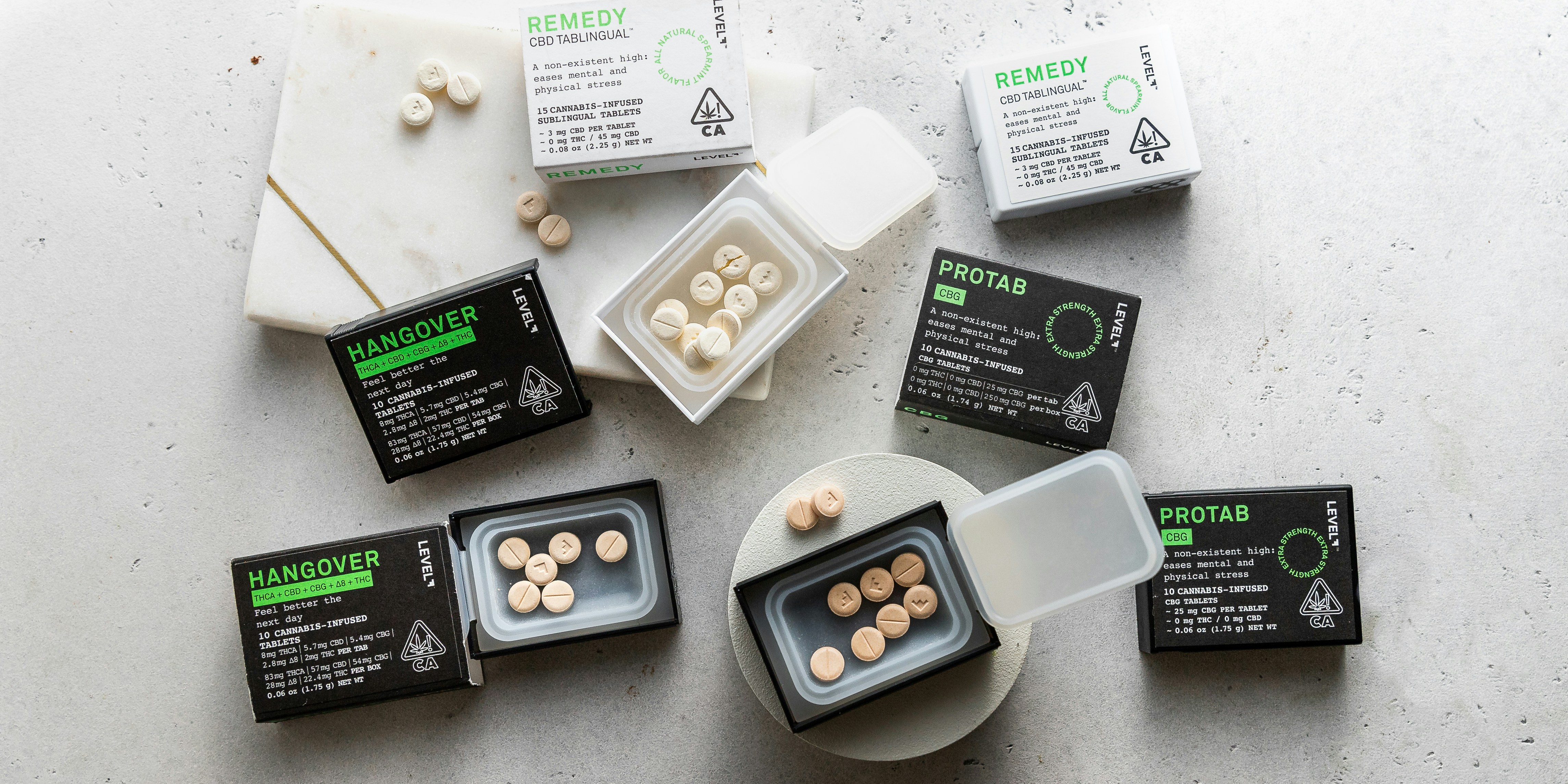
Understanding THCA and How It Differs from THC
THCA is the naturally occurring, acidic form of one of cannabis’s most famous molecules. In the living plant it accumulates in trichomes as a raw, non-intoxicating compound. Chemically, it carries an extra carboxyl group (that’s the “A” for acid), which changes how it behaves in the body and under heat. For beginners,the easiest way to think about it is indeed as a precursor molecule: abundant in fresh flowers and unusable as a high until it changes form.
That change happens through a process called decarboxylation - a simple chemical reaction triggered by heat, light, or time. When THCA loses its carboxyl group it converts into THC, the molecule that binds strongly to CB1 receptors in the brain and produces psychoactive effects. Below is a short comparison to highlight the practical differences:
| Property | THCA | THC |
|---|---|---|
| Chemical form | Acidic precursor | Neutral cannabinoid |
| Psychoactivity | No (without decarboxylation) | Yes |
| Common source | Raw plant, extracts kept cold | Smoked, vaped, or heated edibles |
Understanding these differences changes how people approach use and testing. If you want the non-intoxicating potential of the plant,methods that preserve the acidic form – like cold extraction or eating raw leaves/juices – keep more THCA intact. If you want the classic effects,heat will reliably convert THCA into THC. Practical takeaways include:
- Storage matters: heat and light accelerate conversion.
- Consumption method matters: raw vs heated routes produce different outcomes.
- Lab results matter: tests report both compounds separately, so labels can tell you what to expect.

Potential Benefits, Risks, and Current Evidence for THCA
Interest in this raw cannabis compound has grown because it sits at a crossroads between chemistry and curiosity: it’s non‑intoxicating in raw form but converts to THC when heated, and early lab studies hint at a range of biological effects. That makes it both intriguing and tricky – some users report benefits anecdotally, while scientists stress that the formal evidence base is still slender. Limited evidence means cautious optimism rather than firm conclusions.
Across preclinical studies and early human impressions,the most commonly discussed potential benefits include:
- Anti‑inflammatory effects – seen in cell and animal models and often cited by users looking for natural relief.
- Neuroprotective signals – some lab work suggests protective activity in nervous system models, but human data are minimal.
- Anti‑nausea and appetite modulation – anecdotal reports and small observational notes exist, yet controlled clinical trials are largely absent.
Possible downsides deserve equal attention. Raw THCA itself is not typically intoxicating, but heating or poor product handling can convert it into psychoactive THC. Other concerns include contaminants in unregulated products, unpredictable dosing, drug interactions (especially with medications metabolized by the liver), and mild side effects such as digestive upset or dizziness in sensitive people. In short: possible benefits, possible harms, and important unknowns.
| Claim | Evidence Level |
|---|---|
| Anti‑inflammatory | Preclinical / limited human reports |
| Neuroprotection | Preclinical only |
| Antiemetic / appetite | Anecdotal / observational |
the current picture is one of promising laboratory signals tempered by a lack of robust clinical trials. Consumers interested in experimenting should prioritize quality, start with low amounts, and consult a healthcare professional-especially if taking other medications or if there are concerns about legality or workplace testing.

Common Ways to Use THCA and the Role of Decarboxylation
People approach this compound in two broad ways: preserve it in its natural, raw form or convert it into its active cousin with heat. Many enthusiasts value the compound for being non-intoxicating when unheated, so you’ll see it used in contexts that avoid flame and high temperatures. Raw uses frequently enough emphasize whole-plant benefits and a milder experience-think cold-processed tinctures, juiced leaves, capsules made from raw material, and soothing topicals that deliver local effects without crossing into psychoactive territory.
Conversely, when a psychoactive effect is desired, heat is the simple trigger that changes everything. Through decarboxylation-a chemical shift caused by heat-the molecule loses a carboxyl group and becomes THC, which is what most people mean by “activated.” Smoking, vaping, and traditional baking all rely on this process. Temperature and time matter: gentle, controlled heating can preserve flavors and aromas (terpenes), while too-high temperatures can degrade desirable compounds.
Common practical ways to use it include straightforward, no-heat approaches as well as heat-activated methods. Home cooks and hobbyists often experiment with sous-vide decarboxylation or low-temperature oven methods to activate cannabinoids while protecting terpenes, while those who want non-intoxicating benefits stick to cold extractions and topical preparations. Below are some typical examples to consider:
- Raw juice – quick, fresh, retains the unheated profile
- Cold tincture – alcohol or CO₂ extraction without heat, for systemic delivery
- Topicals – creams and balms for localized relief, generally non-psychoactive
- Vaping/smoking – immediate activation and effect via heat
- Edibles – require prior decarboxylation of the plant material or concentrate
| Method | Activates the Compound? | Typical Use |
|---|---|---|
| Raw juice | No | Daily wellness, non-intoxicating |
| Cold tincture | Usually no | Systemic effects without heat |
| Vaping / Smoking | Yes | Immediate, psychoactive (if heated enough) |
Legal Considerations, Lab Testing, and Product Labels to Watch
Rules around THCA are a patchwork: federal law treats hemp differently from marijuana, but many states add their own twists. At the federal level, products derived from hemp must generally contain less than 0.3% Δ9‑THC by dry weight to qualify as hemp, yet enforcement and interpretation differ by jurisdiction. That means a THCA-rich product that’s technically legal in one state could be restricted or illegal in another - and flying with it may create problems. Keep age limits,possession caps,and local ordinances in mind before buying,carrying,or consuming.
Lab testing is your best tool for cutting through marketing. Always look for a current, third‑party Certificate of Analysis (COA) that lists cannabinoid content, terpene profile, and safety screens (pesticides, heavy metals, residual solvents, and microbiological contaminants). Reputable COAs will show the testing lab’s accreditation (look for ISO/IEC 17025), a batch or lot number that matches the product packaging, and detection limits so you understand what “non‑detect” actually means.
Product labels can hide as much as they reveal, so read them closely. Check for a clear declaration of active cannabinoids (THCA vs THC), serving size, and total THCA per container. Remember that THCA converts to psychoactive THC when heated – cooking or vaping can change the experience – so dosing guidance should reflect that risk. Watch for bold claims like “non‑psychoactive” or “legal in all states”; these are often oversimplifications.If ingredients, allergens, or manufacturing methods are missing, consider that a red flag.
| What to check | why it matters |
|---|---|
| COA linked on label | Confirms actual cannabinoid potency and safety testing |
| Δ9‑THC percentage | Shows whether the product meets hemp thresholds |
| Batch number & date | Allows verification of the COA and product freshness |
Choose brands that make their lab data easy to find – transparency frequently enough separates reliable products from questionable ones.
Concluding Remarks
Like a quiet, unopened letter inside the cannabis plant, THCA holds facts more than immediate action: it’s the raw, non-intoxicating precursor to THC that becomes active when heat unlocks it. For beginners, the key points are simple – THCA won’t get you high in its natural form, it converts to THC through decarboxylation (heat), research on its benefits and risks is still emerging, and legal status and product labels can vary widely.
if you’re curious, explore responsibly. Read product labels, ask learned sellers or clinicians about sourcing and testing, and remember that methods of use matter – juicing or raw preparations preserve THCA, while smoking or vaping converts it into THC. Start small,prioritize safety,and be mindful of local laws and workplace policies.
There’s still a lot science hasn’t settled about THCA, so stay skeptical of bold claims and open to new evidence. Whether you’re investigating it for wellness curiosity or just trying to understand cannabis chemistry,thoughtful questions and careful sourcing will serve you best.
Want to learn more? Look for up-to-date reviews, peer-reviewed studies, and impartial resources, and consult a healthcare professional for personalized guidance. Approach THCA with curiosity and caution – it’s an intriguing piece of the cannabis puzzle, not the whole picture.

