


Imagine a molecule that lives quietly on the green edges of a plant, waiting for heat or time to flip a switch and change its identity. That molecule is THCA - tetrahydrocannabinolic acid - the raw, non-intoxicating precursor to the better-known THC. It exists in fresh cannabis flowers, invisible to the high-seeking consumer until it undergoes a chemical transformation called decarboxylation.This article peels back the leaves to reveal what THCA really is: its chemistry, where it’s found, and how it behaves differently from its psychoactive cousin. We’ll weigh the potential advantages people associate with THCA alongside the limitations and uncertainties researchers still grapple with.Along the way, expect clear explanations of the science, a look at legal and practical implications, and a summary of the evidence - both promising and preliminary.
Whether you’re curious about raw cannabis, interested in the evolving cannabinoid landscape, or trying to separate hype from fact, this piece aims to inform without judgment. Read on to discover the pros, the cons, and the scientific insights that shape our current understanding of THCA.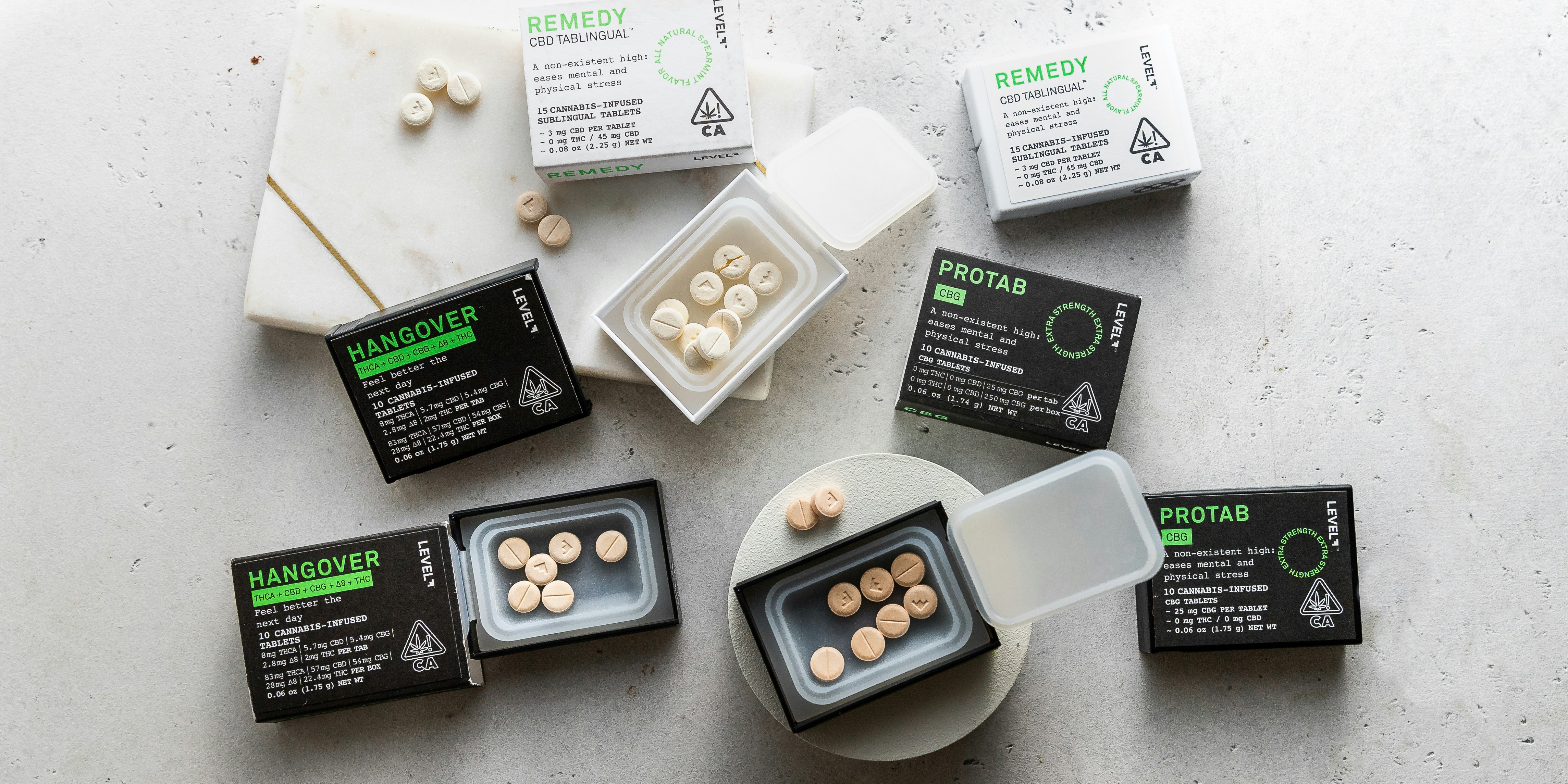
THCA Uncovered: The raw Cannabinoid, how It Differs from THC, and Why It Matters
THCA is the raw, acidic precursor found in fresh cannabis flower and live resin; it carries a carboxyl group that keeps it chemically distinct from its famous cousin. In its natural state it is largely non-psychoactive, meaning it doesn’t produce the ”high” people associate with heated cannabis. When exposed to heat, light, or time a chemical process called decarboxylation removes that carboxyl group and converts THCA into THC – the compound that binds more strongly with brain receptors to cause intoxication.
At a molecular and practical level the differences are simple but critically important: one is a raw biosynthetic product, the other an activated one. below is a compact comparison to make the distinction clear at a glance.
| Feature | THCA | THC |
|---|---|---|
| Psychoactivity | None or minimal | Pronounced |
| Activation | Raw-requires decarboxylation | Active after heating |
| Common use | Juicing, tinctures, raw extracts | Smoking, vaping, edibles |
| Evidence | Emerging preclinical studies | Well-studied clinical effects |
Why this matters: consumers and clinicians should weigh a few practical points before choosing products.
- Intended effect: pick THCA if you want non-intoxicating, potential anti-inflammatory benefits; pick THC when psychoactive relief is desired.
- Product handling: heating can unintentionally convert THCA into THC, which affects legality and drug testing.
- Evidence gap: promising lab and animal data exist for THCA’s antiemetic and neuroprotective properties, but robust human trials are limited.
Thoughtful sourcing, clear labeling, and small experimental doses are sensible steps for anyone exploring the raw cannabinoid.
Practical Guidance for Consumers: Forms, dosing Considerations, Storage, and Harm reduction Tips
THCA appears in a variety of consumer-ready forms, and each delivery method changes how quickly you feel effects and how reliably you can control dosage. Raw flower, tinctures, vape cartridges, and concentrates are the most common formats. Below is a rapid comparison to help you choose the right vehicle for your needs and lifestyle:
| Form | Typical Onset | Notes |
|---|---|---|
| Raw flower (cold use) | Minimal psychoactive effect unless heated | Good for juicing or topical extraction; preserving THCA without decarboxylation |
| Tincture / Sublingual | 15-45 minutes | Ease of dosing and discreet use; label accuracy matters |
| Vape / Inhalation | Seconds to minutes | Fast onset; heat can convert THCA to THC-be mindful of temperature |
| Concentrates / Dabs | Immediate | High potency and risk of decarboxylation; use caution with dose and equipment |
Dosing requires caution and patience. There are no universal THCA dose standards,and product labels vary in accuracy. As a practical rule: start low and titrate slowly. For inhalation, one or two small puffs is a prudent beginning. For tinctures or edibles, begin with a low measurable amount (such as, a labeled microdose or the smallest suggested serving) and wait at least 60-120 minutes before increasing.Remember that heating liberates THC from THCA, so effects and potency can increase if a product is decarboxylated during use.
Storage and harm-reduction are simple but powerful ways to protect yourself and others. Store products in a cool,dark,airtight container away from children and pets. Always seek out products with third-party lab results (COAs) to confirm purity and cannabinoid content. Follow these practical harm-reduction tips:
- Label check: Confirm THCA vs.THC content and look for heavy metal, solvent, and microbial testing on the COA.
- Start low, go slow: Give full dosing windows time to pass before redosing-especially for edibles and tinctures.
- Avoid mixing: Don’t combine with alcohol, sedatives, or unfamiliar medications without medical advice.
- Temperature awareness: If you don’t want THC effects, avoid heating products-decarboxylation converts THCA to psychoactive THC.
- Safe transport & use: Do not drive while impaired; store securely and respect local laws.
The Way Forward
THCA sits somewhere between a question mark and a promise – a natural compound with intriguing biological hints, practical limitations, and a still-unfinished scientific story. Its nonintoxicating character and early lab findings make it worth watching, while gaps in clinical evidence, variability in products, and legal complexity counsel caution.
For curious consumers and clinicians alike, the sensible path is one of informed curiosity: follow the emerging research, scrutinize product quality and sourcing, and weigh potential benefits against known uncertainties.Remember that heat transforms THCA into THC, so how a product is stored and used matters for both effect and legality.
As science fills in pages of this developing chapter, prioritize reliable facts and professional guidance when considering THCA for wellness use. if this article sparked questions or personal experiences, share them – constructive dialog helps turn curiosity into clarity.

