



think of THCa as the quiet cousin of the cannabinoids-present in the plant, gaining attention, and surrounded by a patchwork of laws that change as often as the weather. This guide aims to be your compass through that evolving landscape: what legal THCa is, why its status matters, and practical ways to find reputable sellers near you without stepping outside the law.
We’ll walk through the basics-how THCa differs from other cannabis compounds,common product forms,and the red flags to watch for-then move on to real-world hunting tips: how to read certificates of analysis,where licensed retailers and trusted online vendors fit in,and why local regulations should dictate your next step. Neutral,practical,and clear,this introduction sets up a hands-on resource for anyone curious about buying legal THCa responsibly and safely in their area.
Mapping the Legal Landscape for THCa: How to Confirm Laws and Local Restrictions Near You
Laws around THCa are a mosaic – shaped by federal statutes, state hemp rules, and local ordinances. As THCa can chemically convert to Delta‑9 THC when heated, many regulators treat it differently from neutral cannabinoids. That means a product that seems lawful at the wholesaler level might run afoul of county rules once it hits your neighborhood. Keep in mind the distinction between possession, sale and transport – each can be regulated separately.
When you want to confirm whether a product is legal where you live, follow a few practical checks:
- State code & regulatory site: search your state’s statutes and the cannabis/hemp regulator for current rules and licensing info.
- Local ordinances: county or municipal websites may ban retail sales or set zoning limits.
- Product verification: ask sellers for a Certificate of Analysis (COA) showing cannabinoid levels and lab test results.
- Ask a pro: consult a local cannabis or hemp attorney if anything looks ambiguous.
Enforcement can vary widely – some areas prioritize public nuisance complaints, others focus on unlicensed sales. Age limits, packaging/labeling standards, and potency thresholds are common local controls. If you plan to buy, travel, or resell, keep copies of COAs and receipts handy and check whether courier or postal rules affect interstate transport. Small differences in wording – like hemp-derived vs. cannabis-derived – can change legal outcomes, so be precise when reading statutes and rules.
| Resource | What it tells you | Quick tip |
|---|---|---|
| state Statutes | Legal definitions, age, possession limits | Search “[Your State] hemp law” |
| Local County Code | Zoning, retail bans, permit rules | Check county clerk or municipal site |
| COA / Lab Reports | Actual cannabinoid values, contaminants | Prefer accredited labs |
| Licensed Retailers | Compliance practices and sourcing | Ask for proof of licensing |
When in doubt, verify locally and document everything – laws shift fast, and local enforcement often decides outcomes more than broad federal language.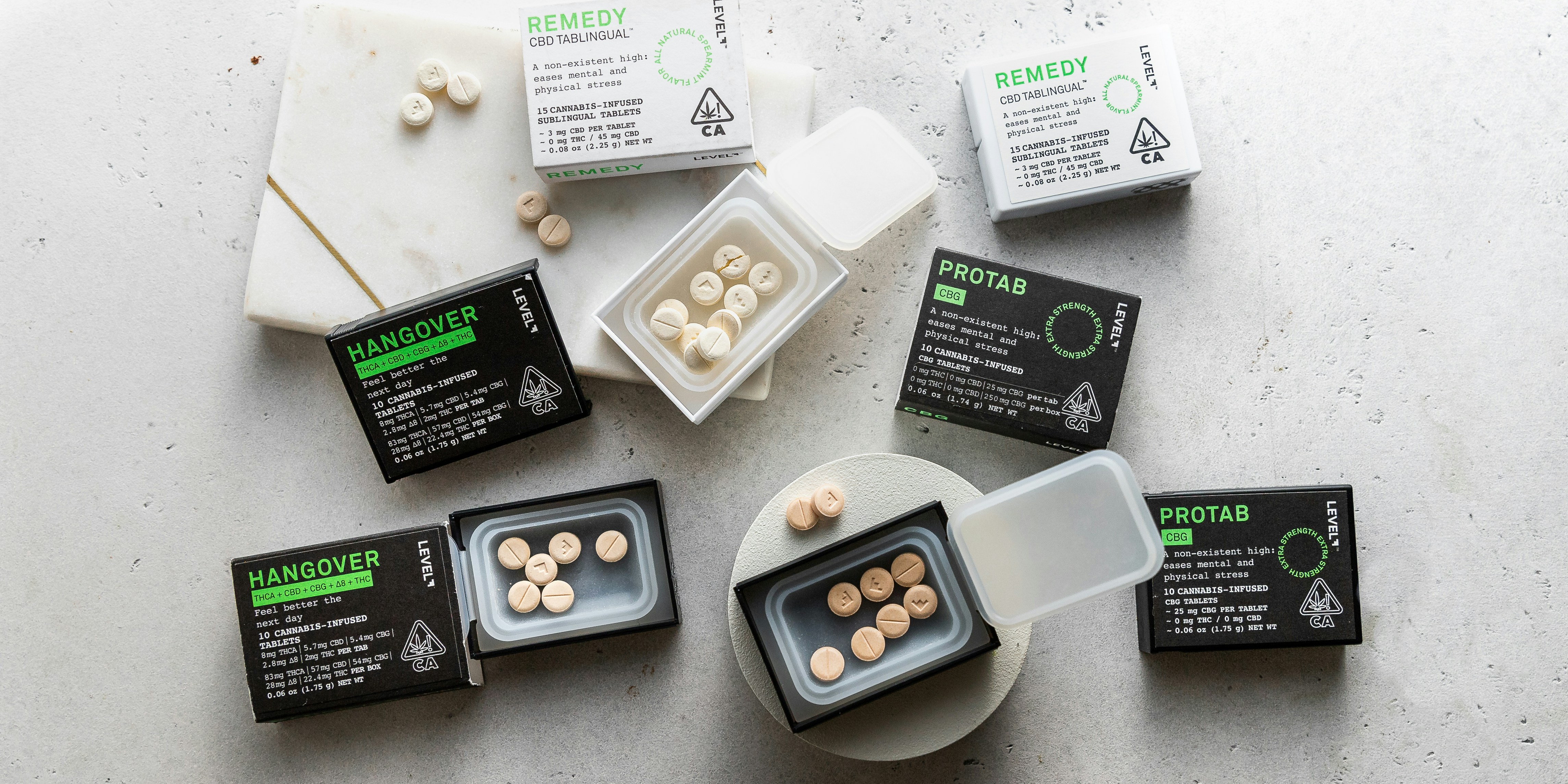
Reading the Fine Print: How to Interpret Certificates of Analysis,Potency Results and THC Thresholds
Never skip the paperwork. A Certificate of Analysis (COA) is the only objective snapshot of what’s actually in a THCa product – not the marketing copy on the label. Look for the lab name, accreditation (ISO or state-approved), the sample or batch ID, and the test date. These details tell you whether the COA corresponds to the product in your hand and whether the lab follows reliable practices.
When scanning the sheet, focus on a few critical checkpoints:
- Potency table – shows THCa, Δ9‑THC, CBD and other cannabinoids.
- Contaminant panels – pesticides,heavy metals,microbial limits and residual solvents.
- Limits of detection/quantitation (LOD/LOQ) – anything below LOQ is essentially “not detected”.
- Batch identifiers – confirm the lot number matches the product label.
These elements reveal whether a product is both safe and compliant with local rules.
Potency numbers require a little math and context. Labs frequently enough report THCa and Δ9‑THC separately; to estimate the psychoactive potential after heating, use the conversion factor (THCa × 0.877 + Δ9‑THC = Total THC).The table below gives a compact reference so you can translate percentages into a practical view of strength.
| Reported Value | Meaning | Quick Example |
|---|---|---|
| THCa | Acid form; converts to Δ9‑THC when heated | 15% THCa → 15 × 0.877 = 13.16% potential THC |
| Δ9‑THC | Already active; counts directly toward legal thresholds | 0.2% Δ9‑THC = active THC on its face |
| Total THC | Sum of converted THCa plus Δ9‑THC (use for compliance) | 15% THCa + 0.2% Δ9 → ~13.36% Total THC |
legal thresholds vary-many hemp programs use a Δ9‑THC percentage limit (for example, 0.3% in several jurisdictions), so pay attention to how the COA labels “Δ9‑THC” vs “Total THC.” If a product’s COA shows low Δ9 but very high THCa, it may still be legal on the shelf but produce higher psychoactive THC after decarboxylation (heating).Always cross‑check the COA against local laws, confirm the test date and batch, and prioritize products tested by accredited labs with full contaminant panels for the safest purchasing decisions.

Spotting Quality THCa Products: What to Look for in Labels, Extraction Methods and Third Party Testing
Read the label like a detective: the numbers matter. Look for both the THCa concentration (frequently enough shown as a percentage) and the milligrams per serving so you know dose at a glance. Good labels will also list total cannabinoids, estimated delta‑9 THC, serving size, batch/lot number, and a clear ingredient list (including carrier oils, flavorings, and any additives). Trustworthy products display a harvest or extraction date, an expiration or best‑by date, and dosing guidance. A visible QR code or a direct link to a batch COA (Certificate of Analysis) is a sign the brand expects scrutiny rather than hiding details.
Extraction method influences purity and flavor: not all processes are equal. Supercritical CO2 extraction is widely used for its tunability and low solvent residue; ethanol pulls a broad spectrum but can bring undesirable chlorophyll if not refined; hydrocarbon (butane/propane) extracts can preserve terpenes and flavor when properly purged; solventless rosin preserves a plant’s natural profile without chemicals. Below is a quick snapshot to help you weigh pros and cons:
| Method | benefit | What to watch for |
|---|---|---|
| CO2 | Clean, tunable | Can be less terpy unless fractionated |
| Ethanol | Efficient, full spectrum | May require winterization to remove lipids |
| Hydrocarbon | Great terpene retention | Needs rigorous solvent purge |
| Rosin (solventless) | Pure, chemical‑free | Lower yield, price premium |
Third‑party testing is non‑negotiable. A COA from an accredited lab should confirm potency and screen for contaminants: pesticides, residual solvents, heavy metals, microbial contaminants, and mycotoxins. Check that the COA matches the product’s lot number and date, and that limits of detection are stated. Beware of fuzzy or missing results-common red flags include vague “lab tested” claims without a lab name,missing batch numbers,or COAs that don’t list the lab accreditation. When in doubt, ask the retailer for the full COA and compare terpene and cannabinoid profiles to what’s claimed on the label to ensure you’re getting what you pay for.
Practical Dosage, Safety and Storage Recommendations for New and Experienced Users
start low, go slow is more than a slogan-it’s the best way to learn how THCa affects you. For newcomers, aim for a microdose range (about 1-5 mg of THCa if the product will be decarboxylated) and wait at least two hours before increasing when using edibles or tinctures that can convert to THC. Experienced consumers may find comfort in higher ranges (10-30 mg or more), but tolerance, body chemistry and the method of use change outcomes dramatically.Remember that heating (vaping, smoking, baking) converts THCa into psychoactive THC, so dose planning should factor in expected decarboxylation and onset time.
Different delivery methods require different rules. Raw or cold tinctures often produce mild, non-intoxicating effects and can be titrated in small increments; inhalation gives near-immediate feedback and is easier to fine-tune (but carries respiratory risks); edibles deliver long, potent effects with delayed onset.Practical tips:
- Sublingual / raw: start with 1-5 mg, wait 30-60 minutes.
- Inhalation (vape/smoke): take one small inhalation, wait 10-15 minutes to assess.
- Edibles / decarbed products: begin with 2-10 mg and allow 90-150 minutes before re-dosing.
Safety should guide every choice. Do not mix THCa/THC with alcohol, sedatives, or medications without checking with a healthcare provider-THC can amplify impairment and interact with drugs metabolized by the liver. avoid operating vehicles or heavy machinery while under the influence.Keep all products in childproof, clearly labeled containers and store them away from pets; accidental ingestion can be hazardous. If you are pregnant, nursing, or have a history of psychosis or serious cardiovascular issues, speak with a medical professional before use.
| Method | Onset | typical starting range |
|---|---|---|
| Raw/Sublingual | 15-60 min | 1-5 mg |
| Inhalation (heated) | Seconds-15 min | One or two small puffs |
| Edibles (decarbed) | 30-150 min | 2-10 mg |
Closing Remarks
Whether you’re following a trail of lab reports, asking a friendly budtender, or scrolling vendor reviews on your phone, the journey to finding legal THCa near you is as much about knowing where to look as it is about knowing what to look for. Use this guide as your compass: verify legality in your area,prioritize third‑party testing and clear sourcing,and choose licensed,reputable sellers who respect safety and compliance.
If questions linger-about compatibility with medications, local rules, or product standards-pause and consult a healthcare provider or legal expert. Small steps of verification now can prevent bigger problems later.
with a little curiosity and caution, you can navigate the options available to you confidently. Keep learning, stay legal, and buy smart. Your best next step is to check local regulations, read recent lab results, and pick the vendor that meets both your needs and your standards.

